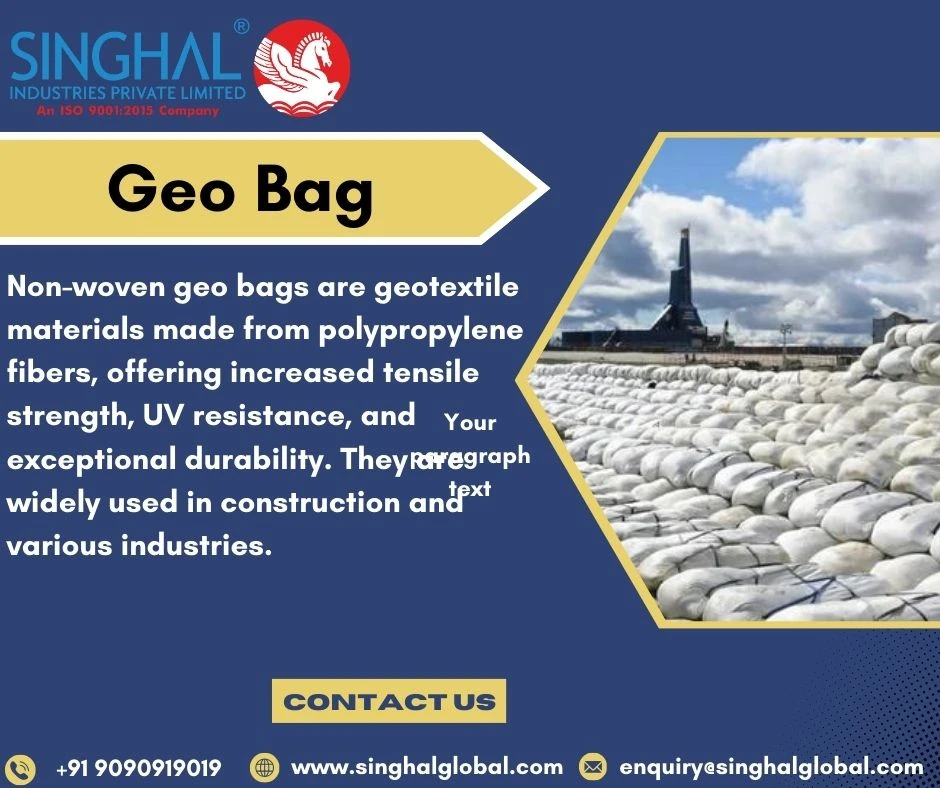

Introduction to Geo Bags
In recent years, geo bags have emerged as versatile tools in civil engineering projects due to their practical applications and significant benefits. This article explores the various uses, advantages, and considerations associated with geo bags, particularly focusing on their relevance in the context of modern construction practices.
Understanding Geo Bags
What are Geo Bags?
Geo bags, also known as geotextile bags or geobags, are large, durable bags made from geotextile materials. These materials are synthetic and engineered to withstand various environmental conditions and stresses typically encountered in civil engineering projects.
Types of Geo Bags
There are several types of geo bags designed for specific purposes:
H1: Woven Geo Bags
H1: Non-Woven Geo Bags
H1: Composite Geo Bags
Applications of Geo Bags in Civil Engineering
Geo bags find extensive applications across different phases and aspects of civil engineering projects:
Slope Protection
In hillside and coastal engineering, geo bags are used for stabilizing slopes and preventing erosion. Their flexibility and permeability allow for effective soil retention and drainage, reducing the risk of landslides and soil degradation.
Riverbank Erosion Control
Along riverbanks prone to erosion, geo bags act as barriers to minimize soil loss. They offer a sustainable solution compared to traditional concrete structures, as they allow vegetation to grow while providing structural support.
Coastal Protection
Geo bags play a crucial role in coastal protection by forming barriers against wave action and tidal forces. They are strategically placed to mitigate erosion and protect infrastructure such as seawalls and breakwaters.
Road Construction
In road engineering, geo bags are used for ground stabilization and reinforcement. They improve load-bearing capacity, reduce settlement, and enhance the longevity of road surfaces, especially in areas with soft or uneven terrain.
Retaining Wall Construction
Geo bags are employed in the construction of retaining walls to reinforce soil and provide structural stability. Their lightweight nature and ease of installation make them a preferred choice over traditional materials like concrete blocks or steel sheets.
Benefits of Using Geo Bags
Environmental Sustainability
Unlike conventional materials, geo bags promote environmental sustainability by integrating natural processes such as vegetation growth and soil filtration. They minimize ecological disruption during construction and throughout the lifespan of engineered structures.
Cost-Effectiveness
Geo Bags Price advantages due to their lighter weight, reduced transportation costs, and simplified installation requirements. They require fewer heavy machinery and labor hours, resulting in overall project savings.
Flexibility and Adaptability
One of the significant advantages of geo bags is their flexibility in design and application. They can be tailored to meet specific project needs, whether for temporary erosion control measures or permanent structural reinforcement.
Challenges and Considerations
Durability and Longevity
While geo bags are designed for durability, their lifespan can vary depending on environmental factors and maintenance practices. Regular inspection and upkeep are essential to ensure optimal performance over time.
Design and Engineering Standards
Proper design and adherence to engineering standards are critical to the effectiveness of geo bags in civil engineering applications. Factors such as soil type, hydrological conditions, and structural loads must be carefully evaluated during the planning phase.
Geo Bags in India: Market Overview
Geo Bag Manufacturers in India
India boasts a robust market for geo bags, with several Geobags Manufacturers in India catering to domestic and international demand. Companies like Singhal Industries are prominent players in the industry, offering a wide range of geotextile solutions tailored to diverse engineering needs.
Geo Bags Price Considerations
The pricing of geo bags in India varies based on factors such as material specifications, quantity, and delivery location. Comparing quotes from different Geo Bags Manufacturers India is advisable to ensure cost-efficiency without compromising quality.
Conclusion
Geo bags represent a significant advancement in civil engineering practices, offering sustainable, cost-effective solutions for various construction challenges. Their versatility, coupled with environmental benefits and ease of deployment, makes them indispensable in modern infrastructure projects.
FAQs About Geo Bags
What are the key benefits of using geo bags in civil engineering?
Geo bags offer benefits such as erosion control, cost-effectiveness, and environmental sustainability.
How do geo bags compare to traditional materials like concrete in terms of installation? Geo bags typically require less heavy machinery and labor, resulting in quicker and more economical installation.
What factors should be considered when choosing geo bags for a project?
Factors include soil type, project location, environmental conditions, and specific engineering requirements.
Are geo bags suitable for both temporary and permanent applications?
Yes, geo bags can be used for both short-term erosion control measures and long-term structural reinforcement.
Which industries in India extensively use geo bags manufactured by Singhal Industries? Industries such as infrastructure development, environmental engineering, and hydraulic construction rely on geo bags from Singhal Industries.



























Sign in to leave a comment.