
If you are wondering what are some things that a college might look for to get you accepted, then you are reading the right post!
In these modern times, where everything seems a bit different and fast-paced, colleges are not behind. They look at more than just your test results and grades when reviewing your college application. They look for various personality and character traits. In fact, according to a survey administered by the National Association for College Admissions Counselors (NACAC), 70 percent of college admission officers said "significantly" or "moderately" when it comes to selecting a candidate for high school.
Therefore, in addition to being focused on aptitude and test scores, building a wise and appropriate character is important if you are ready to apply for college.
Here are some traits you need to consider:
Qualities Colleges Look for in Students They Accept
Curiosity: Colleges seek individuals who exhibit curiosity—those eager to explore and understand the world around them. Curious students actively seek knowledge, engage in self-directed learning, and delve deep into subjects beyond surface-level understanding, demonstrating openness to diverse perspectives.
Persistence: A crucial trait, persistence entails the ability to persevere through challenges and complete tasks initiated, irrespective of encountered obstacles. Individuals who demonstrate persistence are adept at learning new skills and are consistently successful in completing difficult tasks.
Risk-taking: College admissions value students willing to step outside their comfort zones. Rather than seeking adventure-seekers, institutions seek individuals unafraid of discomfort—those capable of leading, public speaking, or embracing new activities, understanding that mistakes contribute to valuable learning experiences.
Compassion: Compassionate individuals exhibit empathy and care for others, acknowledging diverse lived experiences. Part of compassion involves self-kindness, allowing them to celebrate achievements and navigate setbacks with resilience and understanding. College, a place where students of various backgrounds and races come together, cannot be approached without compassion.
Open-mindedness: Highly desired by admissions boards, open-mindedness encompasses receptivity to new ideas, arguments, and information. Open-minded individuals embrace diversity in people, respecting varied backgrounds, beliefs, and values, making them valuable contributors to a collaborative academic environment.
Social Consciousness: Colleges seek candidates committed to making a positive impact on the world. Demonstrating social consciousness assures college and admission board that you can actively engage with global issues and strive to contribute meaningfully to societal betterment.
Creativity: Creativity extends beyond artistic prowess; it involves possessing original ideas and adaptability. Creative individuals contribute fresh perspectives, offering innovative solutions to problems and demonstrating agility in overcoming obstacles, a good trait that cannot be missed when it comes to college success.
Collaboration: Collaborating with others is a highly valued quality that improves the academic and social atmosphere of universities. Whether it is being collaborative with others, excelling at working with others, or achieving common goals, demonstrating teamwork and collaboration improves leadership skills and promotes positive communication—that will go a long way through college success.
Cultural Intelligence: Appreciation for cultural diversity and a genuine eagerness to learn from and about others are crucial in today's global context. Colleges and future employers prioritize applicants capable of viewing the world through a global lens. Therefore, you should have the understanding to appreciate and accept other cultures and their respective traits.
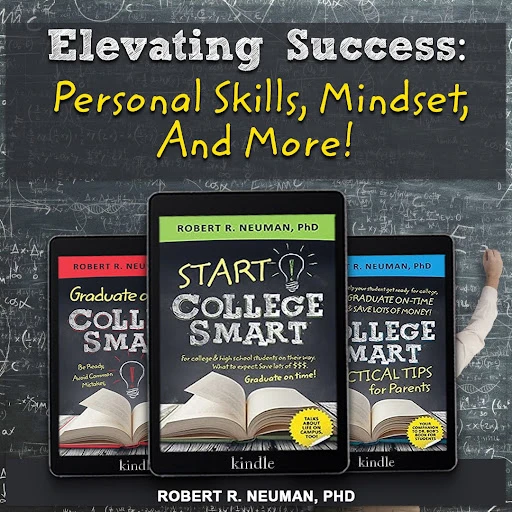
While developing these skills will take time. Creating collaborative learning opportunities, developing complex assignments, demonstrating compassion and open-mindedness in the classroom, encouraging and supporting, and exposing students to diverse ideas, perspectives, and cultures through practical books and guides such as “Start College Smart” can help!
Written by a former dean of advising at a university, "Start College Smart" helps you identify your career path and achieve academic success. From differentiating yourself from your peers, developing career-smart habits, mastering the abilities and outlook that employers value to navigating classes and choosing a career to finally completing a degree on time—this book is your ultimate guide as you work toward your college degree.









Sign in to leave a comment.