
Introduction
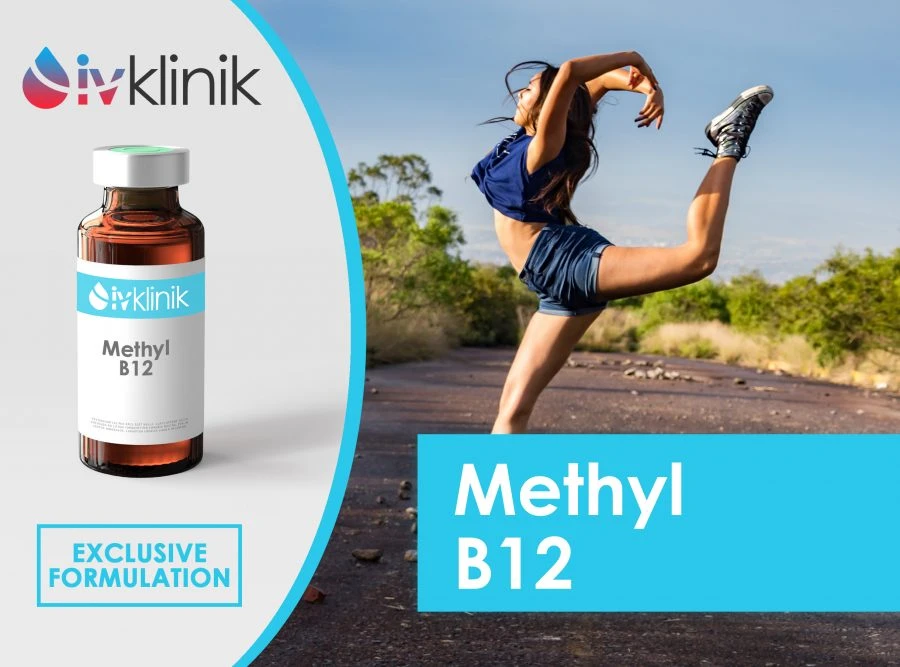
Are you feeling run down, foggy, or just not quite like yourself lately? You may be suffering from a vitamin B12 deficiency. Vitamin B12 plays a crucial role in many aspects of health, from energy levels to cognitive function. The good news is that correcting a deficiency can lead to a quick turnaround in symptoms. One of the most effective ways to get your B12 levels up fast is with injectable vitamin B12.
Why B12 Matters
injectable vitamin b12, also known as cobalamin, is a water-soluble nutrient that is essential for good health. It helps make red blood cells, maintain healthy nerve function, plays a role in DNA production, and more. Our bodies are unable to produce B12 on their own, so we must obtain it from dietary sources or supplements.
Some of the most common symptoms of B12 deficiency include:
Fatigue and weaknessNumbness or tingling in the extremitiesDifficulty concentrating and memory problemsDepression and mood disordersVision changes or eye twitchingPale skin or sores in the mouthA deficiency can develop for many reasons - inability to absorb B12 properly, vegetarian/vegan diets, certain medications, or simply inadequate intake over time. Left untreated, the neurological symptoms can become permanent. That's why it is so important to identify and correct a shortage right away.
The Benefits of Injection
There are several ways to supplement with vitamin B12, including pills, sublingual drops, nasal gels, and injections. Research has shown that the injectable form is the most rapidly effective method. There are two main advantages to choosing B12 injections over other types of supplements:
1. Direct Delivery
When you take an oral B12 supplement, it must first travel through your digestive system and be absorbed properly in the gut before it can get into your bloodstream. However, many people with deficiencies also have absorption issues in the digestive tract.
With injectable B12, the nutrient is delivered directly into the blood, bypassing potential absorption issues. This allows your body to utilize it much more efficiently.
2. Higher Doses
The other advantage of injections is that they deliver substantially larger amounts of B12 at one time. Oral supplements may contain only up to 1,000 mcg per dose, but one shot can provide 1,000-5,000 mcg.
Your body has a limited ability to absorb B12 through the digestive tract. By injecting a larger amount, you can ensure higher blood concentration levels.
Effectiveness of Injectable B12
Numerous studies have looked at the effectiveness of supplementing with vitamin B12 injections compared to pills or other methods:
A study published in the Journal of the American Board of Family Medicine found that 88% of patients with B12 deficiency experienced a reversal of symptoms after a course of injections. Only 10% improved with oral supplementation.Another study from the American Journal of Hematology looked at B12 deficient patients over 6 weeks. The injection group had significantly better outcomes in serum B12 levels and hemoglobin values compared to those receiving oral B12.An Italian study evaluated 50 patients with cognitive decline linked to B12 deficiency. The group treated with intramuscular injections showed "a statistically significant improvement in cognitive functioning" over the orally treated group.The consensus of experts and research findings agree - injectable B12 is the preferable method for those with absorption issues or symptomatic deficiency. Results are often seen rapidly, within just a few weeks in most cases.
How Often are Injections Needed?
Most doctors recommend a course of B12 injections 1-2 times per week for 4-8 weeks to treat a deficiency. After this initial period, frequency can be reduced based on the severity of symptoms and response to treatment.
For maintenance purposes, injections are often given:
MonthlyEvery 3 months1-2 times per yearSome doctors may prescribe more frequent injections depending on the cause and symptoms present. Monitoring blood levels can help determine the ideal ongoing frequency for each individual.
Compared to daily pills or remembering to take drops several times a day, the injectable form offers greater convenience and compliance for patients. The dosage is delivered in just a few shots, then only needs to be repeated occasionally after that.
Are There Any Side Effects?
Vitamin B12 injections are considered extremely safe, even at higher doses. Because it is a water soluble vitamin, any excess is readily excreted in urine rather than building up to toxic levels in the body.
When side effects do occur, they are generally mild and may include:
Redness, swelling or itching at the injection siteHeadacheNauseaDizzinessAnxiety/irritabilityAllergic reactions are possible but extremely rare. Overall, injections are well tolerated and adverse reactions are unusual.
The Takeaway on Injectable B12
If you feel you may be deficient in this essential nutrient, ask your doctor to test your B12 status. Bloodwork is the only way to confirm you have a shortage.
If your levels come back low, consider getting B12 shots to restore adequate amounts quickly and directly. The vast majority of people see significant benefits within weeks when they utilize this effective method. Injections help bypass absorption issues and provide your body the large doses it needs.
With just a few B12 injections, you can get this vital vitamin back to optimal levels. Regular maintenance shots will help ensure you don't become deficient again. Your energy, cognition, blood cells and neurological function will all thank you!
Frequently Asked Questions
What are the main symptoms of B12 deficiency?
Common symptoms of B12 deficiency include fatigue, muscle weakness, memory problems, numbness and tingling, digestive issues, depression, and vision changes. Deficiency can also cause neurological damage if left untreated.
How often do you need B12 injections?
Most doctors recommend 1-2 injections per week for 4-8 weeks to treat deficiency. For maintenance, monthly, quarterly, or 1-2 times per year is usually sufficient depending on the individual.
How long does it take for B12 injections to work?
Most people notice an improvement in their symptoms within 2-4 weeks of starting B12 injections. Maximum benefits are usually seen after completing the initial intensive treatment phase.
Do B12 injections hurt?
Most people experience little to no pain from B12 injections. They are administered with a very small needle into the muscle or fat tissue. Any discomfort felt is usually mild.
Are there side effects from B12 injections?
B12 injections are very safe with few side effects. Mild reactions like redness at the injection site, headache, nausea or dizziness may occasionally occur. Allergic reactions are extremely rare.






























Sign in to leave a comment.