

Owning a home feels like a distant dream for many South Africans. House prices keep climbing. Deposits seem impossible to save. The bond application process looks scary. Yet thousands of people manage to buy their first property every year. They are not all earning massive salaries or getting handouts from wealthy relatives. Many are regular people who made a plan, stuck to it, and took the leap when the time was right.
The trick for most first-time buyers is starting with something manageable. Not everyone needs to begin with a four-bedroom house on a large stand. Apartments offer a way onto the property ladder at a price point that actually makes sense for younger buyers. They come with lower purchase prices, smaller deposits, and more affordable monthly payments. For many South Africans, an apartment is the stepping stone that makes property ownership possible.
Why Apartments Make Sense for First Buyers
The maths works out better with an apartment than with a freestanding house. A starter apartment might cost R600,000 to R900,000 in many areas. A comparable house in the same neighbourhood could easily be double that. The deposit needed, usually around 10% of the purchase price, is therefore half as much. The monthly bond repayment is lower too. For someone on a typical salary, these differences matter.
Looking at apartments for sale in South Africa reveals options across all major cities. Gauteng has the largest selection, with developments in Johannesburg, Pretoria, and Centurion catering to the working population. Cape Town and Durban have strong markets too, though prices tend to be higher in sought-after areas. Smaller cities like Bloemfontein, Port Elizabeth, and East London offer even more affordable entry points for those willing to look beyond the big metros.
Beyond the financial advantage, apartments suit the lifestyle many young professionals actually live. A single person or couple without children does not need three bedrooms and a double garage. They need a secure place to sleep, work from home occasionally, and store their belongings. A well-designed apartment provides all of this without the wasted space that sits empty in a larger house.
Understanding What You Are Buying
When browsing property for sale, understanding the type of ownership matters. Most apartments are sold under sectional title, which means the buyer owns their individual unit plus a share of the common areas like gardens, pools, and parking. A body corporate manages these shared spaces and charges monthly levies to cover maintenance, insurance, and other running costs.
Levies are an ongoing cost that buyers must factor into their budget. They typically range from R800 to R3,000 or more per month depending on the development and its facilities. A complex with a gym, clubhouse, and extensive gardens will cost more to maintain than a simple block with basic common areas. These levies add to the monthly housing expense, so they need consideration alongside the bond repayment.
The body corporate also sets rules about what owners can and cannot do. Pets might be restricted. Noise levels have limits. Alterations to units often need approval. For some buyers, these rules feel limiting. For others, they are part of the appeal. The structure means neighbours cannot do whatever they want, which keeps the development looking good and running smoothly.
Looking at New Developments
New property developments offer advantages that older buildings do not. Everything is fresh. The paint is new. The appliances work. The plumbing has not been patched a dozen times. There are no hidden problems from decades of wear and tear. For buyers who want to move in without dealing with repairs and renovations, new developments make life easier.
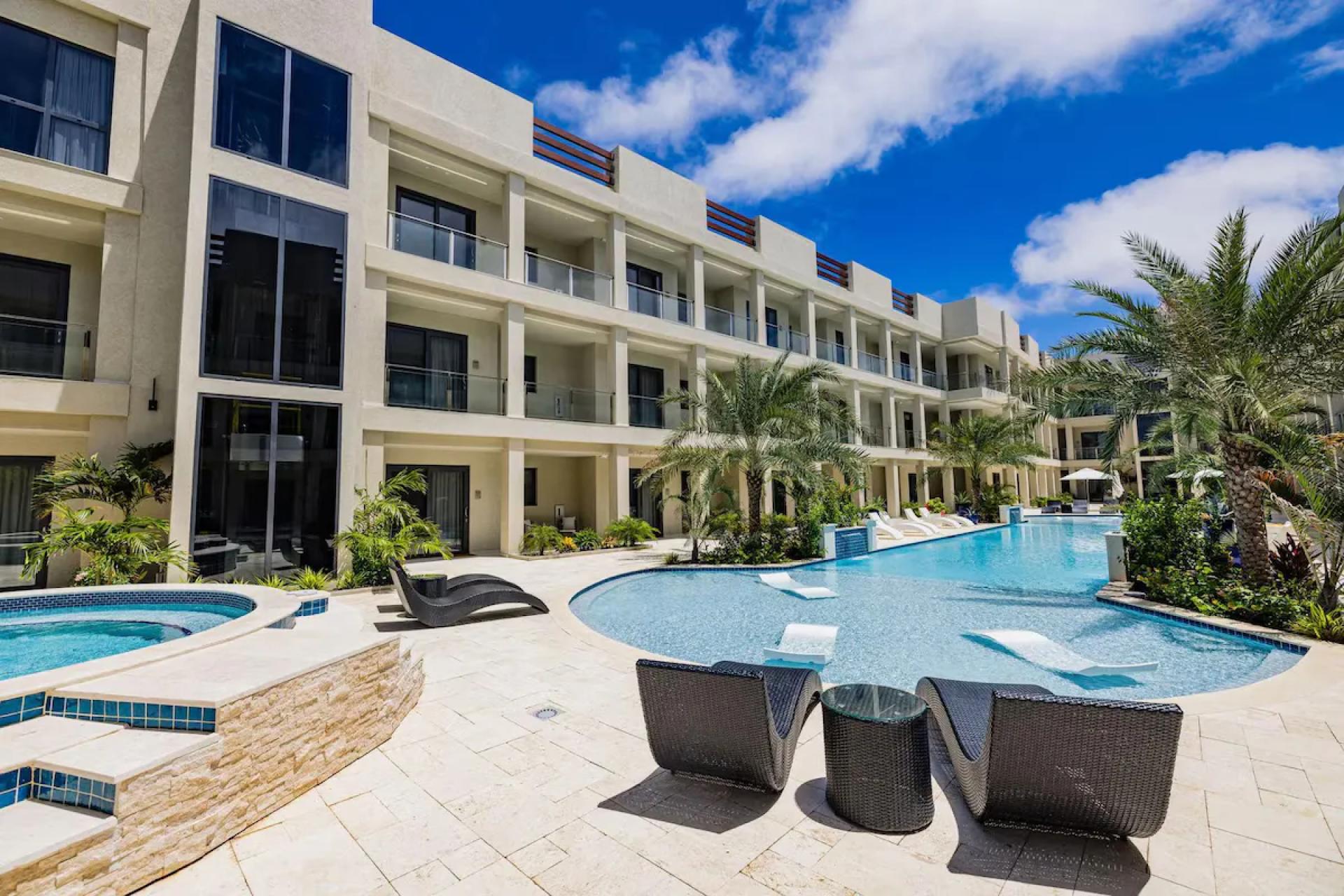
Modern developments often include amenities that older buildings lack. Swimming pools, braai areas, play parks for children, and fitness centres are common in newer complexes. Some even have coffee shops, laundry facilities, and co-working spaces on site. These extras add value to daily life and can make a smaller living space feel more spacious when residents have access to shared facilities.
Security is another area where new developments tend to excel. Gated access, electric fencing, CCTV cameras, and on-site security personnel are standard features. For buyers worried about crime, which includes most South Africans, this peace of mind has real value. Living in a secure complex means being able to sleep at night, go away for weekends, and come home after dark without constant anxiety.
Buying in a new development sometimes comes with incentives. Developers may offer transfer cost assistance, deposit contributions, or move-in vouchers to attract buyers. These promotions can save tens of thousands of rands and make the purchase more affordable. Asking about current offers when viewing show units is worthwhile, as promotions change and may not be advertised widely.
The Financial Side of Buying
Getting bond approval starts with the numbers. Banks look at income, expenses, existing debt, and credit history. A buyer with a clean credit record and stable income stands a good chance of approval. Someone with judgments, defaults, or excessive debt will struggle. Sorting out credit problems before applying saves time and disappointment.
The deposit requirement varies. Some banks will finance 100% of the purchase price for well-qualified buyers, meaning no deposit is needed. Others require 10% or more upfront. Having savings set aside gives more options and often results in better interest rates. Even R50,000 or R100,000 saved can make a meaningful difference to the terms offered.
Transfer costs are another expense that catches first-time buyers off guard. These include transfer duty, attorney fees, and various other charges. On a R800,000 property, transfer costs can add up to R50,000 or more. This money is needed upfront, separate from the deposit. Buyers need to budget for these costs or look for developments where the seller covers them.
Monthly affordability calculations should include more than just the bond repayment. Add the levy, rates and taxes, insurance, and a buffer for maintenance and repairs. A realistic total gives a better picture of what ownership actually costs. Being comfortable with this total amount, not stretched to the limit, makes for happier home ownership.
Making the Decision
Location affects both lifestyle and investment value. Proximity to work cuts commuting time and transport costs. Access to shops, schools, and medical facilities makes daily life easier. Areas with good infrastructure and planned improvements tend to see property values rise over time. Researching the neighbourhood before buying helps avoid areas with problems that might not be obvious on a first visit.
Visiting the actual unit, not just the show unit, matters when buying in a building that is already complete. The show unit is dressed to look its best. The actual apartment might face a less attractive direction, have different lighting, or be on a noisier floor. Seeing exactly what will be purchased prevents surprises after moving in.
Talking to current residents gives real insights. How well is the complex managed? Are there ongoing problems? Is the body corporate well run? People living there have no reason to hide issues, and their experience reveals things that sales agents will not mention. A few conversations in the parking lot can be more informative than hours of brochure reading.
Buying a first property is a big step, but it does not have to be overwhelming. Starting with an apartment in a well-run development keeps the financial risk manageable while building equity and ownership experience. South Africa has options for buyers at many different price points and in many different locations. The key is doing the homework, understanding the costs, and choosing something that fits both current needs and future plans. Property ownership is still within reach for those who approach it with open eyes and a solid plan.

























Sign in to leave a comment.