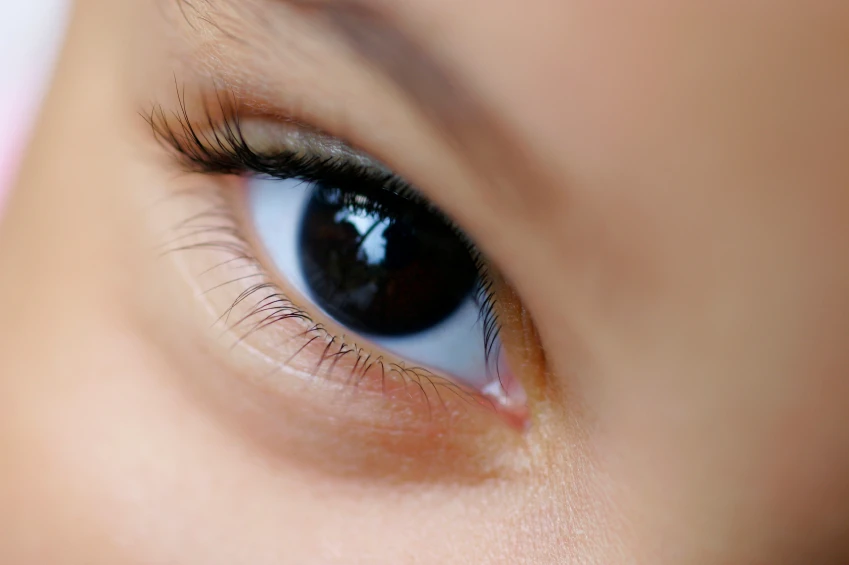
Glaucoma is often called the “silent thief of sight”—and for good reason. In its early stages, glaucoma may not cause noticeable symptoms, yet it can quietly damage the optic nerve and lead to permanent vision loss if left untreated. The good news is that with early diagnosis and proper glaucoma treatment, most patients can preserve their vision and maintain a good quality of life.
In this article, we’ll explain what glaucoma is, how it damages vision, available treatment options, and why early care is critical. We’ll also discuss when surgery may be required and the importance of consulting an experienced eye specialist in Chinchwad for timely management.
What Is Glaucoma?
Glaucoma is a group of eye conditions that damage the optic nerve, which is responsible for transmitting visual information from the eye to the brain. This damage is most commonly caused by increased intraocular pressure (IOP), though glaucoma can also occur with normal eye pressure.
Once optic nerve damage occurs, it cannot be reversed—making early detection and treatment essential.
Why Glaucoma Is Dangerous
Unlike many eye problems, glaucoma often progresses without pain or obvious symptoms until significant vision loss has already occurred. Peripheral (side) vision is usually affected first, and by the time central vision is impacted, the disease may be advanced.
This is why regular eye exams at an eye hospital in Chinchwad are crucial, especially for individuals at higher risk.
Types of Glaucoma
1. Open-Angle Glaucoma
The most common form, developing slowly over time with minimal early symptoms.
2. Angle-Closure Glaucoma
A medical emergency caused by sudden blockage of fluid drainage, leading to rapid pressure rise.
3. Normal-Tension Glaucoma
Optic nerve damage occurs despite normal eye pressure.
4. Secondary Glaucoma
Develops due to other conditions such as diabetes, trauma, or prolonged steroid use.
Each type requires a customized treatment approach by a glaucoma specialist in Chinchwad.
Early Signs and Symptoms of Glaucoma
Many patients have no early symptoms, but warning signs may include:
- Gradual loss of side vision
- Blurred vision
- Eye pain or pressure
- Halos around lights
- Frequent headaches
- Sudden vision loss (in acute cases)
Any of these symptoms should prompt immediate consultation at a glaucoma treatment clinic.
Who Is at Risk?
You may be at higher risk if you:
- Are over 40
- Have a family history of glaucoma
- Have diabetes or hypertension
- Use steroid medications long-term
- Have high eye pressure
- Are highly nearsighted or farsighted
Routine screening by an experienced eye specialist in Chinchwad can help detect glaucoma early.
How Glaucoma Is Diagnosed
Comprehensive glaucoma evaluation includes:
- Eye pressure measurement (tonometry)
- Optic nerve examination
- Visual field testing
- OCT (optic nerve imaging)
- Angle assessment (gonioscopy)
Advanced diagnostic tools available at a well-equipped glaucoma eye hospital ensure accurate staging and treatment planning.
Glaucoma Treatment: The Goal
The primary goal of glaucoma treatment is to lower eye pressure to a level that prevents further optic nerve damage. While lost vision cannot be restored, early treatment can stop or slow disease progression.
Non-Surgical Glaucoma Treatment Options
1. Eye Drops
The first line of treatment for most patients.
- Reduce fluid production
- Improve fluid drainage
- Require lifelong adherence
Regular follow-up with a glaucoma treatment specialist in Chinchwad ensures effectiveness and monitors side effects.
2. Oral Medications
Used when eye drops alone are insufficient, usually short-term or in acute cases.
Laser Glaucoma Surgery: A Minimally Invasive Option
When medications are not enough, laser glaucoma surgery may be recommended.
Common Laser Procedures:
- Selective Laser Trabeculoplasty (SLT)
- Laser Peripheral Iridotomy (LPI)
Benefits:
- Outpatient procedure
- Minimal discomfort
- Reduces dependency on eye drops
- Quick recovery
Laser procedures are often performed by an experienced glaucoma surgeon in Chinchwad as part of a comprehensive treatment plan.
When Is Glaucoma Surgery Needed?
Surgery may be advised if:
- Eye pressure remains uncontrolled
- Disease continues to progress
- Medications cause significant side effects
- Advanced glaucoma threatens vision
A skilled glaucoma surgery specialist in Chinchwad evaluates the safest and most effective surgical option.
Types of Glaucoma Surgery
1. Trabeculectomy
Creates a new drainage pathway to lower eye pressure.
2. Glaucoma Drainage Devices
Small implants help regulate fluid flow.
3. Minimally Invasive Glaucoma Surgery (MIGS)
Less invasive, faster recovery, often combined with cataract surgery.
Choosing the best glaucoma surgeon is essential to achieving optimal outcomes and minimizing complications.
Recovery and Follow-Up After Treatment
Post-treatment care includes:
- Regular eye pressure monitoring
- Visual field testing
- Medication adjustments
- Lifestyle guidance
Ongoing follow-ups at a trusted eye hospital in Chinchwad help ensure long-term disease control.
Why Early Glaucoma Care Matters
Early diagnosis and treatment:
- Prevent irreversible vision loss
- Reduce need for complex surgery
- Preserve independence and quality of life
- Lower long-term treatment costs
Patients diagnosed early often maintain functional vision for life with proper care.
Living With Glaucoma: What Patients Should Know
Glaucoma is a lifelong condition, but it is manageable with:
- Consistent treatment
- Regular eye check-ups
- Healthy lifestyle habits
- Open communication with your doctor
A dedicated glaucoma treatment clinic provides ongoing support and education for patients and families.
Choosing the Right Glaucoma Care Center
Look for:
- Experienced glaucoma specialists
- Advanced diagnostic technology
- Surgical expertise
- Transparent treatment plans
- Long-term follow-up care
A reputed glaucoma eye hospital offers comprehensive services under one roof—from diagnosis to advanced surgical care.
Role of the Eye Specialist in Glaucoma Management
An experienced eye specialist in Chinchwad plays a vital role by:
- Detecting glaucoma early
- Customizing treatment plans
- Monitoring disease progression
- Coordinating advanced care when needed
Early specialist involvement significantly improves outcomes.
Final Thoughts: Protecting Vision Starts Early
Glaucoma does not have to lead to blindness. With early detection, modern treatments, laser procedures, and expert surgical care, most patients can protect their vision for life.
If you or a loved one is at risk, schedule a comprehensive eye exam at a trusted eye hospital in Chinchwad. Early care, guided by a skilled glaucoma specialist in Chinchwad, is the most powerful step you can take to safeguard your eyesight.























Sign in to leave a comment.