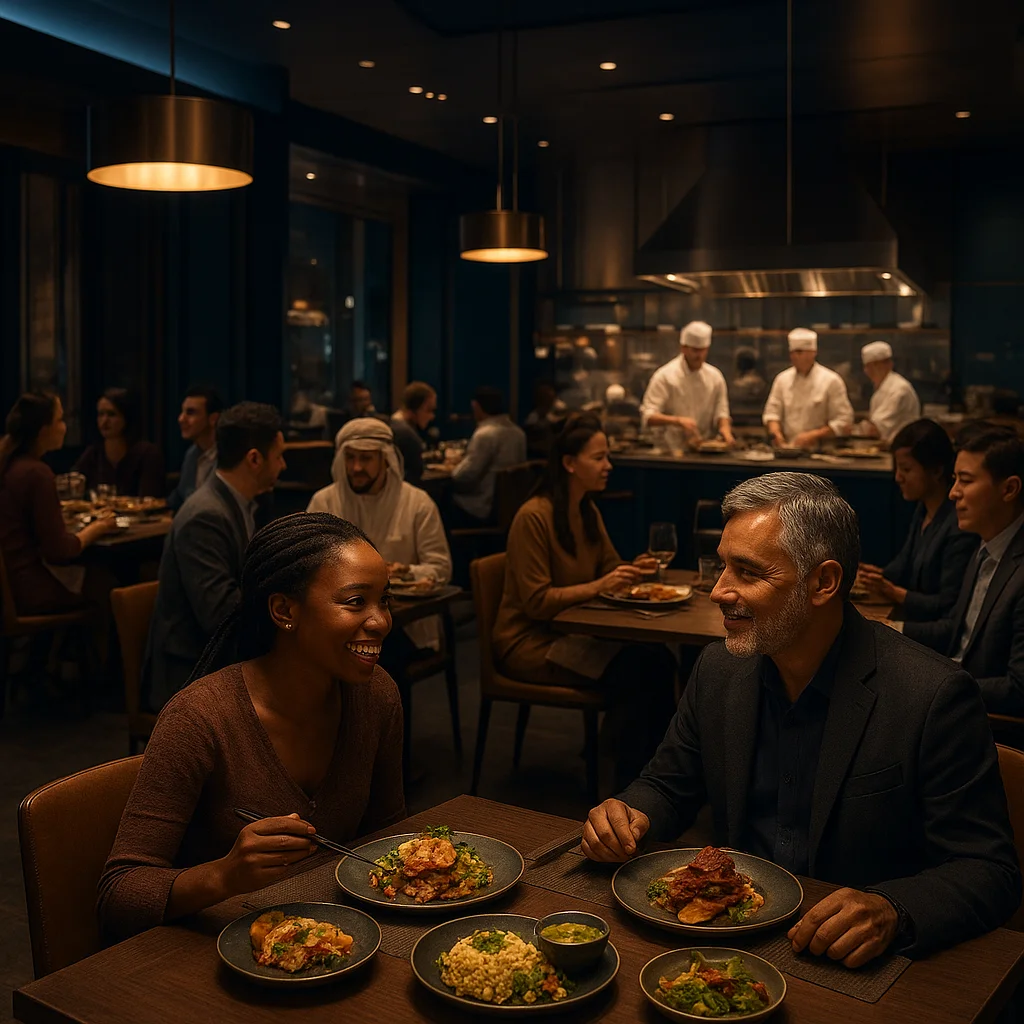

The Scent of Change: A Restaurant Scene Transformed by Food Trends
It’s a humid Thursday night in downtown Atlanta. The usual clatter of plates and chatter is punctuated by something new: the hum of sustainable seafood tanks, the faint aroma of fermented grains, and servers describing dishes made with precision nutrition. Diners at this bustling restaurant are not just eating; they are participating in a culinary experiment shaped by global food trends that are rewriting the rules of dining. But what exactly is driving this transformation, and how will it continue to reshape restaurants worldwide? Are we witnessing a fleeting fad, or a fundamental shift in how food connects culture, health, and environment?
Restaurants today are no longer just about taste; they are crossroads of innovation, sustainability, and wellness. This moment is a snapshot of the future: where climate-conscious sourcing meets technology-driven personalization, and where ancient food wisdom blends with modern science. As we peer into the kitchens and menus of tomorrow, a pattern emerges — one that challenges chefs and restaurateurs to rethink what it means to serve a meal.
Tracing the Roots: From Tradition to Innovation in Global Food Culture
To understand where we are headed, it helps to look back. The past two decades have seen seismic shifts in food culture. The farm-to-table movement, once a niche trend, became mainstream, emphasizing transparency and locality. Then came plant-based diets and alternative proteins, propelled by environmental concerns and ethical considerations. The rise of global connectivity exposed diners to diverse cuisines and food philosophies, sparking curiosity and hybrid culinary creations.
Yet, these changes didn’t happen in isolation. They were responses to complex global challenges: climate change, public health crises, and shifting demographics. Increasing awareness about food’s impact on the planet has nudged the industry toward sustainability. Meanwhile, the COVID-19 pandemic accelerated digital adoption and altered dining habits — with delivery, ghost kitchens, and contactless service becoming integral.
Restaurants adapted by embracing new technologies and diversifying menus. The interest in nutrition science also grew, influencing offerings that promise not just flavor but functional benefits. These developments laid the groundwork for the multifaceted food trends shaping 2026 and beyond. The journey from tradition to innovation is ongoing, driven by a quest to balance taste, health, and responsibility.
Decoding 2026: Core Trends Reshaping Restaurants Globally
What are the pillars of this evolving food landscape? Several key trends have emerged, backed by data and industry insights, that reveal how restaurants are adapting and innovating.
- Plant-Centric and Regenerative Sourcing: According to a recent report in Seattle Times, plant-based menus are evolving beyond imitation meats toward whole-food, nutrient-dense options, often sourced through regenerative agriculture that restores soil health and biodiversity.
- Personalized Nutrition and Longevity Focus: Insights from FoodNavigator highlight how restaurants are integrating longevity-promoting ingredients and offering customizable meals tailored to individual health profiles, leveraging AI and data analytics.
- Fermentation and Ancient Techniques: There is a resurgence of fermentation, not just for flavor but for gut health, tapping into ancestral food wisdom with a modern twist.
- Technological Integration: Kitchens increasingly use automation for precision, sustainability, and efficiency — from AI-driven inventory management to robotic cooking assistants.
- Cultural Fusion and Storytelling: Culinary narratives that celebrate diverse heritages and sustainable practices create immersive dining experiences, appealing to ethically minded consumers.
These trends interconnect to form a complex ecosystem. Restaurants are no longer passive providers but active participants in global health and environmental goals. That raises questions: can mainstream dining truly embrace such depth? What challenges lie ahead?
Voices from the Field: Industry Experts on What’s Driving Change
To better grasp the forces shaping restaurants, I spoke with several industry leaders, from chefs to sustainability consultants. Their views reveal the multifaceted nature of this transformation.
“We’re moving beyond food as just sustenance to food as a platform for personal and planetary wellness. It’s about creating menus that heal and connect,” says Chef Lina Morales of a pioneering regenerative restaurant in Mexico City.
Experts emphasize that consumer demand is a powerful catalyst. Diners increasingly seek transparency and ethics alongside flavor. However, adopting these trends isn’t without hurdles. Costs can rise with sustainable sourcing, and technological investments require expertise and capital.
“Technology is indispensable but must be balanced with human creativity. The future of restaurants lies in this synergy,” notes Dr. Kofi Mensah, a food technologist advising startups in Europe and Africa.
These perspectives underscore the need for adaptability. The industry must innovate while preserving culinary artistry and accessibility. This balance will define which restaurants thrive amid shifting expectations.
Case Studies: Restaurants Pioneering Tomorrow’s Food Trends
Looking closer, a few standout examples illustrate how these trends manifest in practice.
- Roots & Rise, Copenhagen: This restaurant sources 90% of its ingredients from regenerative farms and uses AI to personalize menus based on diners’ health data. Their signature fermented vegetable dishes combine Nordic tradition with cutting-edge nutrition science.
- Harvest Table, Tokyo: Known for integrating ancient Japanese fermentation techniques with modern molecular gastronomy, this restaurant offers dishes aimed at longevity, using ingredients like kuromame black soybeans rich in antioxidants.
- Urban Eden, New York City: A tech-forward eatery employing robotics for precision plant-based meal prep, reducing waste by over 40%. Their storytelling approach connects patrons with global food heritage and sustainability efforts.
These examples suggest a future where restaurants are hubs of innovation, culture, and health — but also where technology and tradition coexist. They raise curiosity about scalability: can such models reach broader audiences without losing authenticity?
Future Watch: What to Expect and How Restaurants Can Prepare
As we gaze further ahead, several developments beckon that could redefine the restaurant experience.
- Hyper-Personalization: Advances in AI and wearable health tech will allow restaurants to tailor meals in real time, considering allergies, nutrient needs, and even mood.
- Closed-Loop Supply Chains: More establishments will adopt circular systems minimizing waste and optimizing resource use, aligning with zero-emission goals.
- Multi-Sensory Dining: Enhanced by virtual and augmented reality elements, dining could engage all senses, enriching storytelling.
- Global Ingredient Democratisation: Emerging food sources like algae and lab-grown protein may become commonplace, challenging traditional culinary boundaries.
Restaurants willing to embrace experimentation, invest in training, and engage consumers transparently will be best positioned. The question remains: how will small and mid-sized businesses navigate these shifts? Will innovation be a privilege of larger players, or can it democratize?
Reflecting on these trajectories, I am reminded of the WriteUpCafe article 2026 Global Food Trends Shaping the Future of Restaurants, which emphasizes that collaboration across sectors — agriculture, technology, health — is critical for sustainable progress. Another insightful piece, How Nutrition-Focused Eating Is Shaping the Future of Food in 2026, explores how consumer empowerment through data is a key driver.
Ultimately, the future of global food trends in restaurants is a story still unfolding. It invites us to ask: how will our plates reflect our values and aspirations tomorrow? How can chefs and diners co-create a food culture that nourishes body, community, and planet alike?


































Sign in to leave a comment.