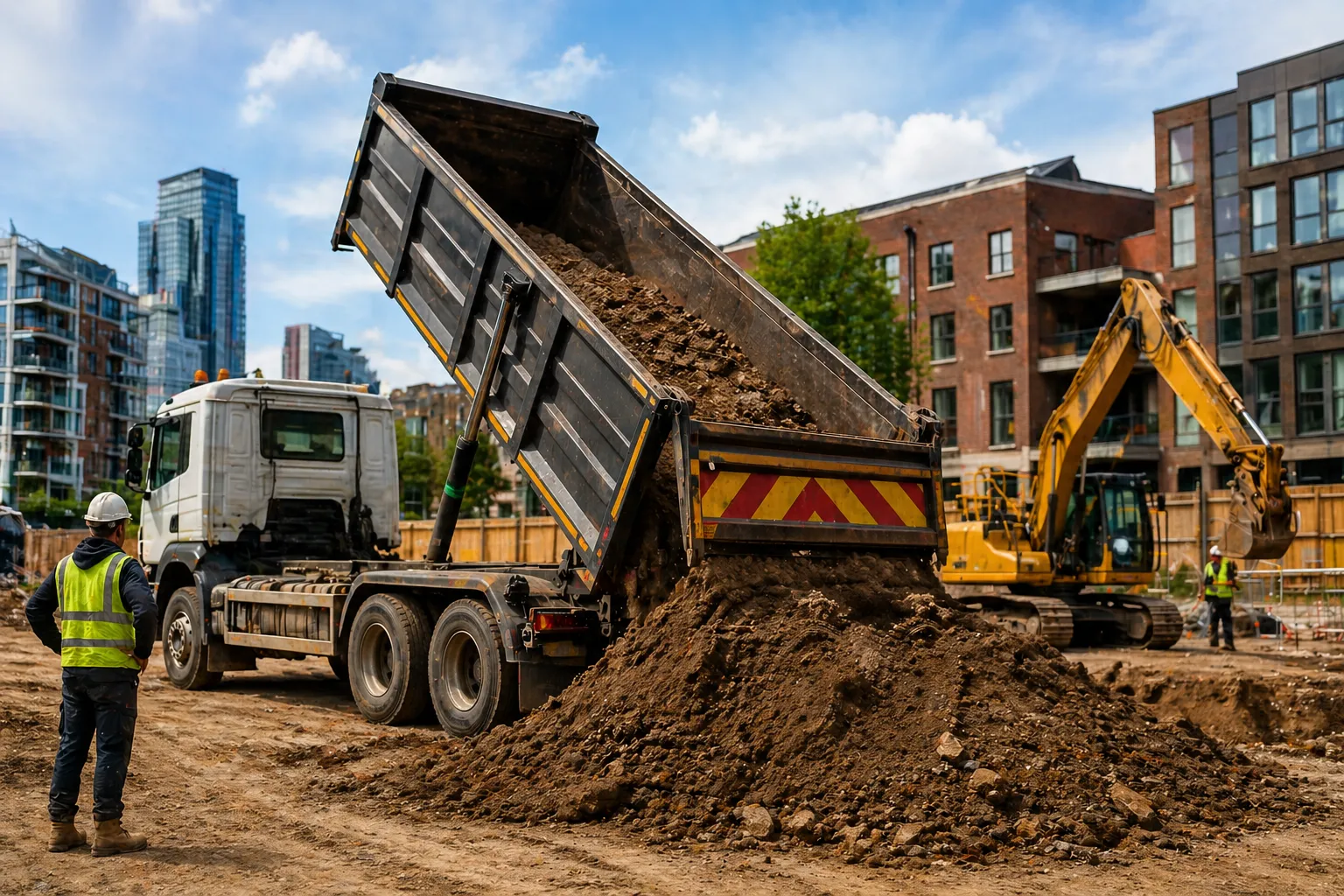

There's a particular moment on almost every building site when the digging stops and the real question begins: where does all this soil and rubble actually go? For contractors and homeowners across the capital, the answer is usually grab hire London, a service built around speed, capacity, and getting waste off site with minimal fuss.
This guide focuses on the practical side of booking grab hire, what you're actually paying for, which vehicle suits which job, and how to avoid the common pitfalls that catch people out. Whether this is your first time hiring a grab lorry or your fiftieth, there's usually something worth double-checking before the booking is confirmed.
Grab Hire in a Nutshell
A grab lorry is a vehicle equipped with an extending hydraulic arm and claw attachment, designed to lift loose material such as soil, clay, and rubble straight off the ground. There's no need to shovel waste into bags or wait for a stationary container to fill up over several days, the arm loads everything directly into the lorry's open body in a single visit.
This makes grab hire a natural fit for:
- Sites generating large volumes of excavated material
- Jobs where speed matters more than long-term on-site storage
- Properties with limited space to leave a skip for extended periods
- Projects with awkward access, since the arm can reach over walls or fences
If you've searched "grab hire near me" while staring at a mounting pile of spoil, this is exactly the kind of service designed to solve that problem quickly.
Choosing the Right Grab Lorry Size
Not all grab lorries are built the same, and picking the wrong size can cost you time and money.
Smaller 6-Wheeler Vehicles
These are generally better suited to residential jobs and streets with tighter turning space, offering a solid middle ground between capacity and manoeuvrability.
Larger 8-Wheeler Vehicles
An 8-wheeler grab lorry carries considerably more material per trip, making it the more economical choice for large-scale groundworks or commercial projects, provided the site has enough room to accommodate it.
Matching Size to Site Access
Before booking, think honestly about your street: is it wide enough for a larger vehicle, or does it involve tight turns, narrow lanes, or restricted parking? Sharing this detail upfront helps the provider send the right lorry the first time, avoiding wasted trips.
Why London Presents a Unique Case for Grab Hire
Limited Space for Waste Storage
Many properties across London, especially in older terraced areas, simply don't have room to leave excavated material sitting around for long. Grab hire solves this by clearing the site in one visit rather than requiring ongoing storage.
Congestion and Parking Pressures
Congestion charges, permit-only parking, and narrow one-way streets all complicate waste removal logistics in the capital. A grab lorry's ability to load and leave quickly reduces the time spent navigating these restrictions compared to alternatives that require longer site occupation.
Tight Project Timelines
Construction schedules in London are often tightly packed, with multiple trades queued up to start their part of the job. Waste sitting on site for too long can delay everyone downstream, which is exactly why fast, reliable grab hire matters so much here.
Typical Jobs That Call for Grab Hire
Grab hire covers far more than large commercial builds. It's regularly used for:
- New build groundworks, clearing soil before foundations are laid
- Home extensions and loft conversions, which generate rubble and general building waste
- Garden renovations, particularly where old patios, decking, or large volumes of soil are removed
- Driveway resurfacing, clearing old material ahead of new surfacing
- Basement conversions, which often produce substantial amounts of spoil
- Demolition clean-up, removing debris quickly to keep a site safe
If your project is producing loose, bulky waste in meaningful volume, there's a strong chance grab hire is the most efficient way to deal with it.
What a Reliable Grab Hire Company Should Offer
A Genuine Waste Carrier Licence
This is non-negotiable. Every legal operator must be registered with the Environment Agency, and checking this before booking protects you from liability if waste ends up disposed of incorrectly.
Clear, Upfront Pricing
A trustworthy provider explains exactly what's included in the quote, whether that's a flat rate per load, pricing per tonne, or additional charges for mixed or contaminated material. Vague or overly simple pricing is often worth questioning.
A Choice of Vehicle Sizes
Providers offering both smaller and larger grab lorries can better match the vehicle to your specific job, rather than pushing whatever happens to be available that day.
Local Knowledge of the Area
A company regularly working in your part of London will already understand typical street layouts, parking restrictions, and common access challenges, reducing the risk of delays.
Honest, Detailed Reviews
Look beyond star ratings to actual comments about punctuality, communication, and how the company handled difficult access. This tells you far more than a generic five-star score.
Practical Tips Before You Book
- Estimate your waste volume honestly. Even a rough figure helps the provider recommend the right lorry size from the outset.
- Keep materials separated if possible. Clean soil is cheaper to dispose of than mixed rubble containing bricks or concrete.
- Flag access issues before the booking date. Narrow streets, low bridges, or restricted parking should be mentioned upfront, not discovered on collection day.
- Book a little ahead during busy periods. Same-day availability can be limited, particularly during peak construction seasons.
- Ask about ongoing collections for longer projects. A scheduled plan can work out more efficient than repeated one-off bookings for multi-week jobs.
Mistakes That Often Catch People Out
- Booking too small a lorry. Underestimating volume typically means arranging a costly second visit.
- Overlooking access details. A missed narrow lane or low bridge can mean the vehicle can't reach the site at all.
- Skipping the licence check. A lower price from an unlicensed operator isn't worth the legal risk involved.
- Mixing waste unnecessarily. Combining clean soil with construction debris raises disposal costs across the entire load.
- Waiting too long to arrange collection. Leaving it until the site is overwhelmed narrows your options and can delay other trades.
What Influences Grab Hire Pricing in London
- Type of waste: Clean, uncontaminated soil costs less to dispose of than mixed construction debris.
- Volume of material: Larger loads generally offer better value per tonne than smaller, repeated collections.
- Vehicle size: Larger 8-wheeler lorries cost more to hire but carry considerably more per trip.
- Location within the city: Central areas may involve congestion charges or parking restrictions affecting overall cost.
- Timing: Urgent, same-day bookings sometimes carry a slight premium over jobs planned a few days ahead.
Always request a written, itemised quote before confirming a booking to avoid unexpected charges once the job is done.
Frequently Asked Questions
How quickly can grab hire be booked in London? Many providers offer same-day or next-day service, though this depends on demand and how far in advance you get in touch.
What separates grab hire from skip hire? Grab hire loads material directly using a hydraulic arm and usually finishes within a single visit, while skip hire involves leaving a container on site until it's full, which can take considerably longer.
Can a grab lorry reach a narrow London street? It depends on the specific street. Smaller lorry options are usually available, so it's worth discussing your exact location with the provider before booking.
Is any special permission needed for grab hire collections? No permit is typically required for the lorry itself, but you should confirm the company handling your waste holds a valid waste carrier licence.
Where does the waste actually go after collection? Reputable companies transport material to licensed recycling centres or disposal facilities and should be able to confirm this with documentation.
Is grab hire worthwhile for smaller residential jobs? For modest loads, a cage van might work out more cost-effective. Larger jobs, particularly those involving significant excavation, are usually better suited to grab hire.
Final Thoughts on Booking Grab Hire in London
Getting soil, rubble, and construction waste off site shouldn't be the part of your project that causes delays. With the right grab hire London provider, you get a fast, dependable way to keep your site clear and compliant, without the ongoing hassle of managing a skip. A little groundwork upfront, checking licensing, comparing quotes properly, and being clear about access, makes all the difference on the day.
If your site's ready for clearance, reach out to a licensed grab hire provider near you, ask for a clear written quote, and keep your project moving without waste getting in the way.































Sign in to leave a comment.