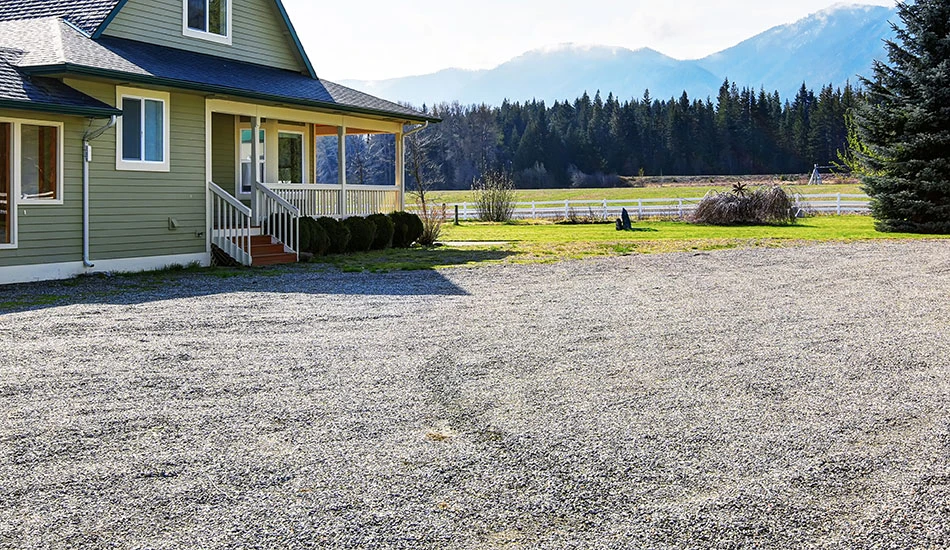
Imagine standing at the edge of your driveway, staring at two very different paths. On one side, gravel stretches out—natural, easy-flowing, rustic in its charm. On the other, sharp-edged pavers form clean, crisp lines that frame the drive like a picture-perfect postcard. That’s exactly the dilemma many homeowners face when choosing driveway edges.
The truth is, those borders do more than just add a finishing touch—they protect your driveway from wear, erosion, and costly repairs down the line. The right choice saves you money, time, and frustration. The wrong choice? It can leave you raking, refilling, or repairing year after year.
In this guide, we’ll dig deep into the pros, cons, and costs of gravel vs. pavers for driveway landscaping. We’ll pull in expert opinions, real-world examples, and updated 2025 cost data to help you make the best decision for your home.
Why Driveway Edges Matter
Your driveway isn’t just a path to your garage—it’s part of your home’s first impression. Edging acts like a frame around a piece of art, pulling the look together. Beyond aesthetics, edges play a big role in:
- Preventing erosion and cracks: Unedged driveways can crumble or shift over time.
- Boosting curb appeal: Neat borders instantly upgrade how your home looks.
- Adding function: Strong edges keep gravel or asphalt contained.
According to HomeAdvisor’s 2024 report, nearly 70% of U.S. homeowners now add driveway edges for both beauty and long-term performance. That number continues to rise, especially in regions where climate stress puts driveways at risk.
What to Expect in This Guide
Here’s what you’ll take away by the end:
- A side-by-side comparison of gravel and paver edges.
- Actionable tips from landscaping pros.
- A cost breakdown with 2025 averages.
- A simple decision-making framework based on climate, budget, and style.
Understanding Gravel for Driveway Edges
 Gravel remains one of the most popular edging materials in driveway landscaping. Its loose, natural look blends perfectly with rustic homes, cabins, or rural settings.
Key Features of Gravel
- Typically made from crushed stone, pebbles, or river rock.
- Common sizes: pea gravel (¼ inch) to 3/4-inch rocks.
- Easy to source from local suppliers or bulk stone yards.
Real-World Example
A Seattle family chose gravel edging for their sloped driveway. Thanks to the city’s constant winter rain, they needed a solution with excellent drainage. Gravel allowed water to pass through quickly, reducing muddy runoff by almost half compared to their previous setup.
Expert Insight
“Gravel adapts to soil shifts better than rigid options,” says Maria Ruiz, a landscaper with 15 years in yard design. “That flexibility makes it forgiving in areas with soft or unstable ground.”
Pros and Cons of Gravel
Advantages
- Low upfront cost: $1–3 per square foot installed.
- Simple to install: A weekend DIYer can spread and level it.
- Excellent drainage: Studies by the USGS show gravel prevents up to 90% more puddles than solid surfaces.
- Eco-friendly: Uses natural stone with minimal processing.
Disadvantages
- Regular upkeep: Needs raking and topping off yearly.
- Scatter issues: Gravel shifts under tires, often ending up in grass.
- Less defined look: Without a border, edges blur quickly.
- Dust problems: In dry climates, gravel can kick up fine particles.
Actionable Takeaway
Test gravel in a small section first. Monitor it through a full month of your local weather to see how it holds up.
Understanding Pavers for Driveway Edges
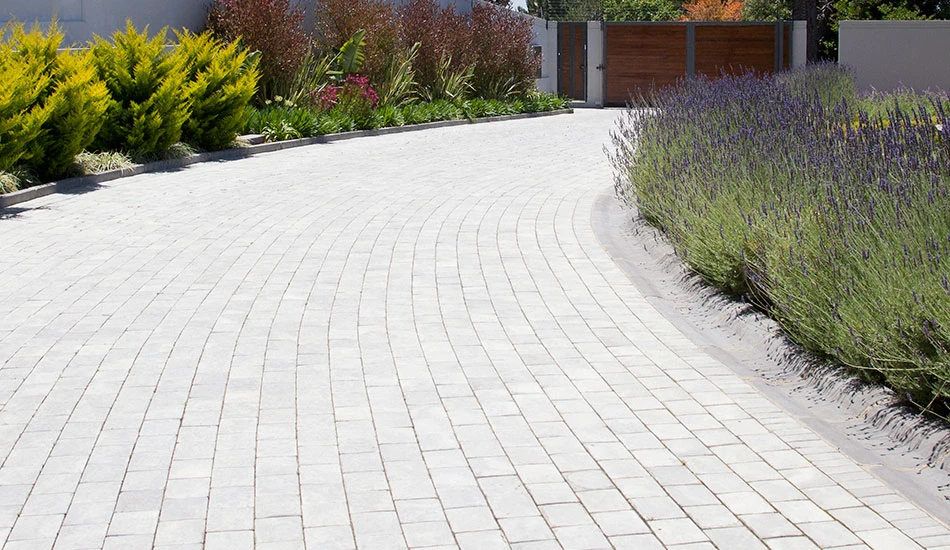
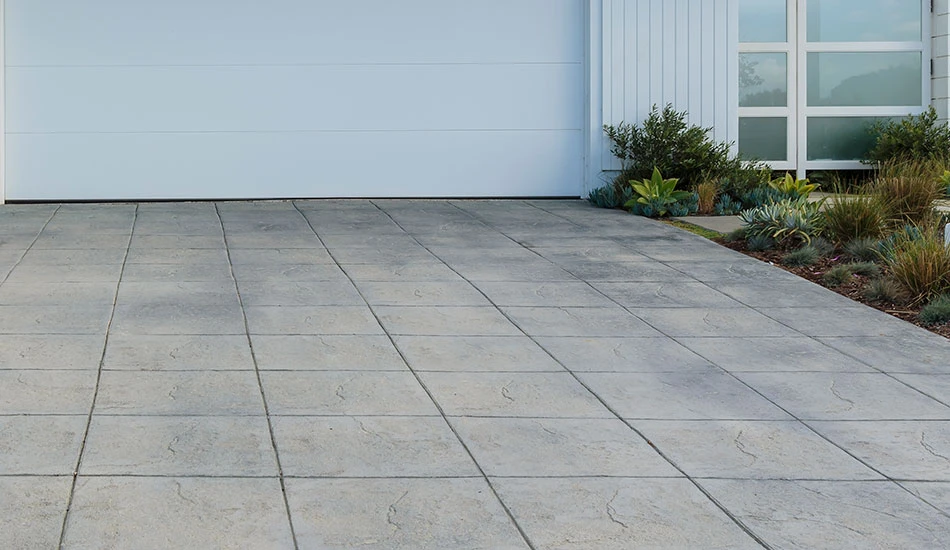 Pavers, on the other hand, create a crisp, polished frame. They’re especially popular in suburban and urban areas where homeowners value neatness and resale value.
Key Features of Pavers
- Made from concrete, brick, or natural stone.
- Interlocking design ensures stability.
- Available in countless colors, textures, and patterns.
Real-World Example
In a Texas suburb, a couple edged their driveway with concrete pavers. Despite scorching summers that regularly top 100°F, the pavers held their form for three straight years—no sagging, no fading. Their HOA even praised the clean look.
Expert Insight
“Pavers lock in place for long-term curb appeal,” notes Tom Hale, a civil engineer who advises on over 50 driveway projects annually.
Pros and Cons of Pavers
Advantages
- Durability: Lasts 20–30 years with minimal wear.
- Clean, sharp lines: Realtor.com reports paver-edged driveways boost home value 5–10% in 2025.
- Low maintenance: Occasional hosing or sweeping is enough.
- Design flexibility: Patterns and colors can match your home’s style.
Disadvantages
- Labor-intensive install: Requires base prep, sand, and careful leveling.
- Potential frost issues: Freeze-thaw cycles can shift blocks.
- Weed growth: Plants can sprout between joints without sealant.
- Heat retention: Pavers get hot under direct sun, unlike gravel.
Actionable Takeaway
Always hire paver maintenance specialists or a pro installer for the base prep. This step is critical to prevent settling and cracking later.
Cost Breakdown: Gravel vs. Pavers
Using Driveway cost averages for a 100-square-foot driveway edge, here’s what you can expect:
Gravel Costs
- Materials: $100–300 (includes landscape fabric).
- Labor: $200–500 (skip this if DIY).
- Total upfront: $300–800.
- Ongoing: Around $50/year for refills.
Pavers Costs
- Materials: $400–800 (blocks, sand, gravel base).
- Labor: $500–1,200 for professional install.
- Total upfront: $900–2,000.
- Ongoing: Roughly $20/year for sealant or joint sand.
Comparison and Savings Tips
- Gravel saves 60–70% upfront but requires more upkeep.
- Pavers cost more initially but typically pay off in 5–7 years due to longevity.
- Pro tip: Buy gravel in spring when bulk prices drop by up to 20%. For pavers, order in bulk for 15% discounts.
Case Study Snapshot
A Florida homeowner opted for gravel, saving $1,200 initially. But within two years, they spent $300 extra on weed control and top-ups. Meanwhile, a neighbor who chose pavers reported zero regrets a decade later.
Making the Right Choice for Your Driveway
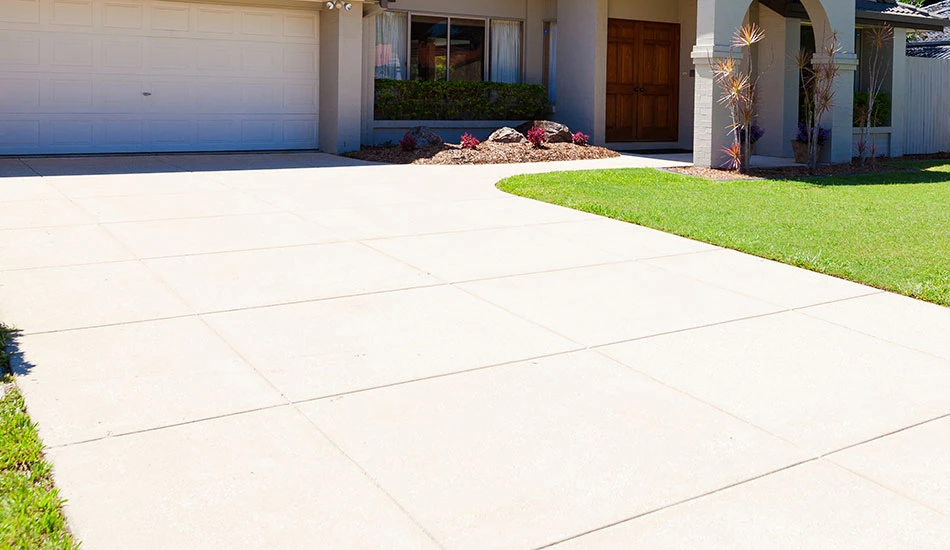 No two yards—or budgets—are the same. Here’s how to decide between gravel and pavers for your driveway landscaping project.
Factors to Consider
- Climate: Gravel suits rainy or sloped areas; pavers are better in freeze-thaw zones.
- Budget: Gravel is ideal for short-term savings; pavers excel for long-term value.
- Style: Gravel creates a natural vibe, while pavers deliver a structured, upscale look.
When to Choose Gravel
- Projects under $500.
- Yards with heavy rain or slopes.
- Homeowners looking for a quick, DIY-friendly fix.
When to Choose Pavers
- High-traffic driveways.
- Homes you plan to sell soon.
- Anyone seeking low-effort, long-term curb appeal.
Conclusion
Gravel and pavers each bring unique strengths to driveway landscaping. Gravel shines for its affordability and ease, while pavers win in durability, resale value, and polished style.
At the end of the day, the right choice depends on your climate, budget, and personal taste. Start small—test a patch, get quotes, and weigh upkeep against upfront cost.
With thoughtful planning, your driveway edge won’t just hold its ground—it will elevate your home’s entire look.
Ready to start? Reach out to Zones Landscaping for local quotes and expert advice today.
FAQs
1. Can I mix gravel and pavers for driveway edges?
Yes. Many homeowners use pavers as the main frame and fill gaps with gravel for added drainage and texture.
2. How long does a gravel driveway edge last?
With regular upkeep, gravel edges can last 5–10 years before a full refresh is needed.
3. Do pavers crack easily in cold climates?
They can shift or crack if the base isn’t prepped correctly. Hiring experienced paver maintenance specialists minimizes this risk.
4. What’s the best edging choice if I’m selling my home soon?
Pavers are the better bet. They increase curb appeal and can boost your home’s value by up to 10%.
5. Which option is more eco-friendly?
Gravel is more sustainable since it requires little processing. However, modern pavers now come in permeable designs that allow water infiltration.




























Sign in to leave a comment.