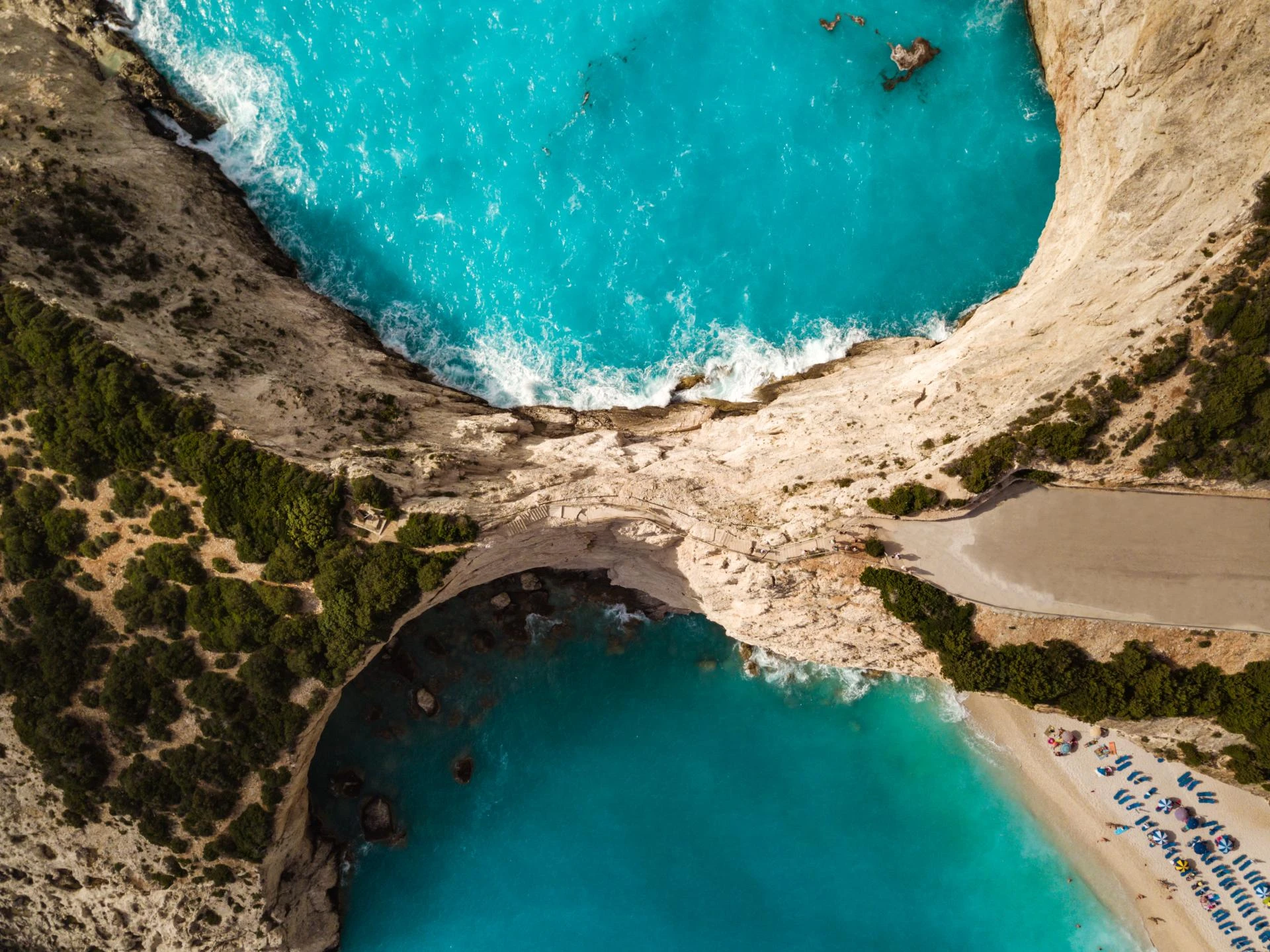

Greece has long been seen as a dream destination - sun-drenched islands, ancient ruins, turquoise seas - but it’s often assumed to be expensive. In reality, traveling in Greece on a budget in 2026 is not only possible it’s deeply rewarding. By slowing down, choosing local experiences over tourist packages, and planning smartly, you can enjoy Greece the way locals do - without draining your wallet. Here’s how to experience Greece affordably while still soaking up its culture, food, and everyday life.
Travel in the Shoulder Seasons for Big Savings
Timing is everything in Greece. While July and August bring peak prices and crowds, the shoulder seasons - April to early June and September to October - offer the best value.
During these months:
- Ferries and flights are cheaper
- Popular sites are less crowded
- The weather is still warm and pleasant
- Accommodation prices drop significantly
Locals often travel during these periods, especially retirees and families, which means you’ll see a more authentic side of Greek life.
Ferries vs Flights: Choose Wisely
Island hopping is a highlight of Greece, but costs can add up quickly if you’re not careful.
When ferries make sense:
- Short distances (Athens–Aegina, Athens–Paros, Crete–Cyclades)
- You’re flexible with time
- You want to enjoy the sea views
When flights are better:
- Long routes (Athens to Crete, Rhodes, or Corfu)
- You book early with budget airlines
- You’re traveling light
Pro tip: Locals often mix both - taking ferries one way and flying back - to save money and time.
Stay Where Greeks Stay
Skip expensive resorts and focus on small towns, neighborhoods, and local guesthouses.
Budget-friendly options include:
- Family-run pensions
- Apartments in residential areas
- Hostels in Athens, Thessaloniki, and major islands
- Rooms rented by locals outside city centers
Neighborhoods like Koukaki (Athens) or Ano Poli (Thessaloniki) offer lower prices and a real sense of daily life.
Eat Like a Local (and Spend Less)
Food is where Greece truly shines - and where you can save the most money.
Instead of tourist restaurants:
- Look for tavernas filled with locals
- Eat your main meal at lunch, when prices are lower
- Order “mezedes” (small shared plates)
- Try bakeries for breakfast and snacks
Budget-friendly local favorites include:
- Spanakopita and bougatsa
- Lentil soup or fasolada
- Souvlaki from street grills
- Fresh bread, olives, and cheese from local markets
Eating this way not only saves money - it gives you a far richer cultural experience.
Explore Small Towns and Lesser-Known Islands
Big names like Santorini and Mykonos are beautiful but expensive. Greece’s charm truly shines in smaller destinations where prices remain reasonable.
Affordable alternatives include:
- Naxos instead of Santorini
- Lefkada instead of Zakynthos
- Syros for authentic Cycladic life
- Kalamata or Nafplio for mainland charm
These places offer stunning scenery, walkable centers, and prices closer to local standards.
Use Public Transport and Walk More
Greece is surprisingly easy to navigate without a car.
- Athens and Thessaloniki have affordable metro and bus systems
- Regional buses (KTEL) connect towns efficiently
- Ferries double as scenic transport
- Many historic centers are walkable
Walking through neighborhoods, markets, and waterfronts is how locals experience their cities - and it costs nothing.
Museums and Attractions Without Overspending
Greece’s history doesn’t have to be expensive.
Ways to save:
- Visit the free-entry museum days
- Explore outdoor ruins and old towns
- Prioritize one major site per city
- Choose viewpoints and neighborhoods over paid attractions
Often, wandering ancient streets or sitting by a harbor at sunset is just as memorable as visiting a museum.
Stay Digitally Smart Without Extra Costs
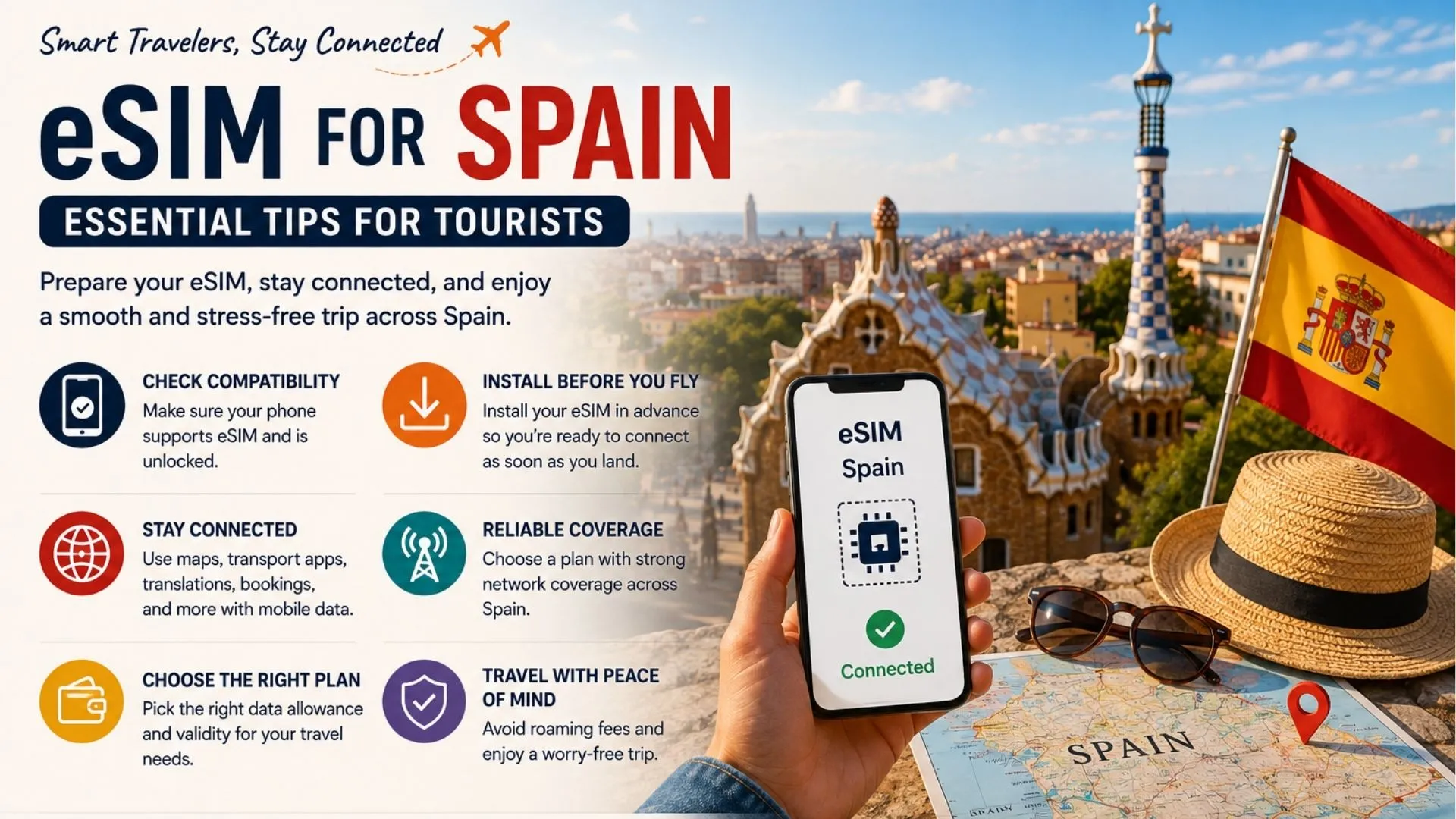
Staying connected helps you find local eateries, navigate buses, check ferry schedules, and avoid tourist traps. Many travelers now use digital connectivity options like an eSIM Greece from Voye Global, which allows instant access to maps and apps without relying on café Wi-Fi or swapping physical SIM cards - an efficient and low-hassle choice for budget-conscious travelers.
Daily Budget Breakdown: Realistic for 2026
With smart planning, many travelers manage Greece on €40–€60 per day, depending on location.
Approximate daily costs:
- Accommodation: €15–€30
- Food: €10–€20
- Transport & attractions: €5–€10
- Extras: €5–€10
Costs drop further in smaller towns and during the shoulder season.
Why Budget Travel in Greece Feels Richer
Traveling in Greece on a budget doesn’t mean missing out - it often means experiencing more. You’ll eat where locals eat, stay in real neighborhoods, travel slower, and discover places that never make it onto Instagram reels.
In 2026, Greece remains one of Europe’s best-value destinations - not because it’s cheap, but because it rewards travelers who choose curiosity over luxury. Travel like a local, and Greece gives you far more than what you pay for.
























Sign in to leave a comment.