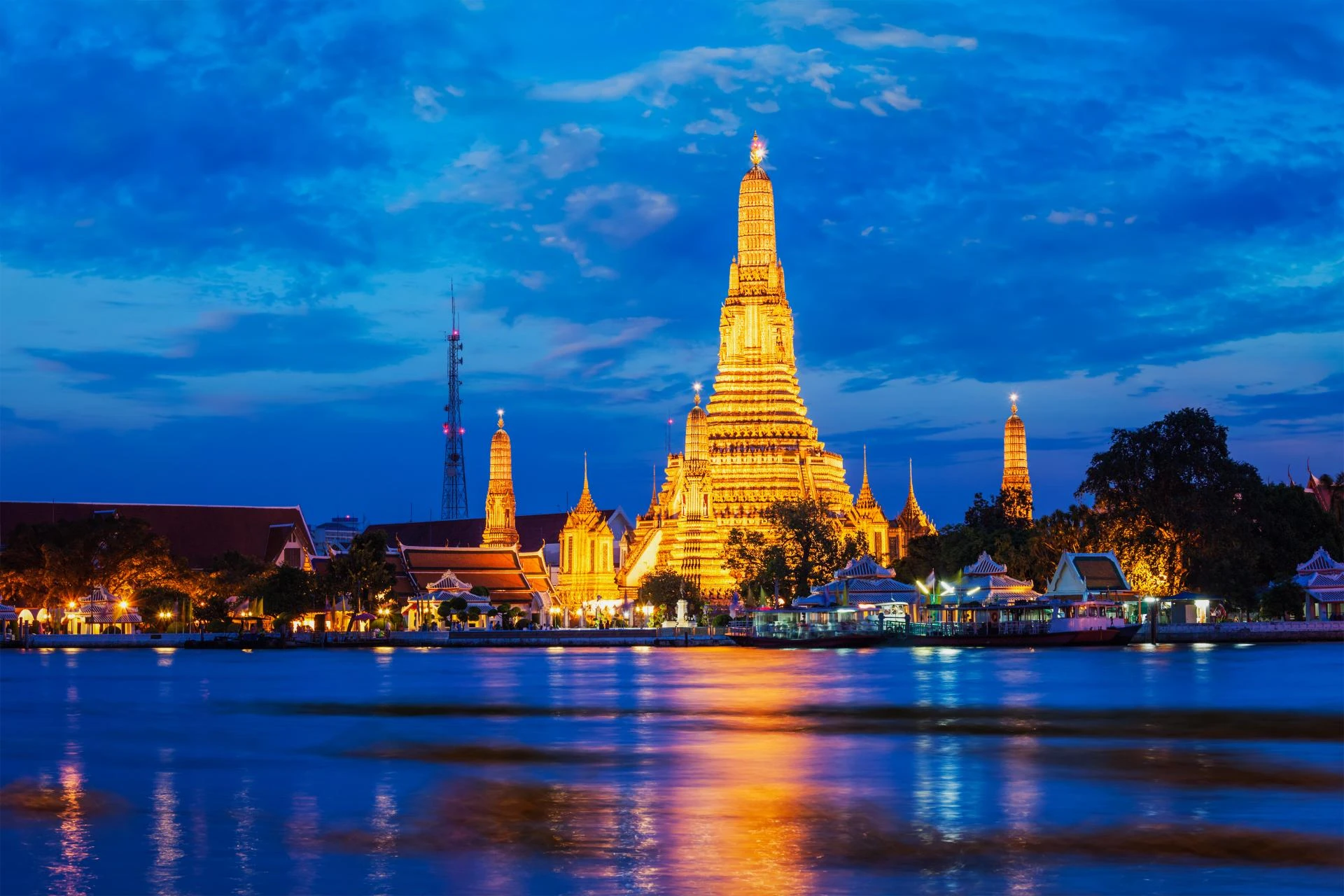

Spring in Thailand is not defined by blooming flowers or cool breezes in the way it is elsewhere. Instead, it is marked by the rhythm of ceremonies, agricultural cycles, and spiritual renewal. As the dry season transitions toward summer, Thai communities across the country turn inward, honoring traditions that are deeply tied to land, belief, and collective memory.
For travelers seeking more than beaches and nightlife, spring offers a rare opportunity to experience Thailand at its most cultural and contemplative. This is a season when rituals are lived rather than performed, and when everyday life quietly reflects centuries-old values.
Merit-Making: The Heart of Daily Spiritual Life
Merit-making is one of the most visible and meaningful practices in Thai Buddhism, and spring is a particularly active time for it. Early mornings often begin with locals offering food to monks as they walk barefoot through neighborhoods. These alms-giving rituals are not staged for visitors; they are part of daily life.
During spring, merit-making extends beyond routine offerings. Families visit temples together, donate supplies, release fish or birds as symbolic acts of compassion, and participate in temple maintenance. These acts are believed to bring positive karma, not only to individuals but to entire communities.
For travelers, witnessing merit-making offers insight into how spirituality in Thailand is woven seamlessly into ordinary life. Respectful observation - quiet presence, modest dress, and mindfulness - allows visitors to appreciate these moments without disrupting them.
Temples as Living Spaces, Not Just Landmarks
Thailand’s temples take on a different character in spring. Without peak-season crowds, they feel less like tourist attractions and more like community centers. Locals come to pray, meditate, and participate in seasonal ceremonies tied to agricultural and lunar calendars.
In rural areas, especially, temples serve as gathering places where monks lead blessings for rain, harvest, and protection. Chanting ceremonies may last for hours, accompanied by offerings of flowers, incense, and candles. These rituals are often announced locally rather than online, rewarding travelers who stay curious and attentive.
Spring is also a common time for ordinations, when young men temporarily become monks as a rite of passage. These ceremonies are deeply meaningful and often involve entire villages, processions, and shared meals.
Agricultural Rhythms and the Spiritual Calendar
Thailand’s cultural life is closely linked to its agricultural cycles, and spring marks an important transitional phase. Fields are prepared, tools repaired, and rituals performed to invite favorable conditions for the coming rains.
In farming regions, ceremonies honoring rice spirits and guardian deities are still practiced, blending Buddhist beliefs with older animist traditions. These events are often modest, local, and deeply symbolic. Offerings are made not just for prosperity, but for balance between humans and nature.
Travelers moving through rural Thailand during spring may encounter small shrines decorated with fresh flowers, food, and handmade offerings. These are quiet reminders that spirituality here is not abstract - it is practical, seasonal, and deeply grounded in the land.
Local Ceremonies Beyond the Major Festivals
While Songkran in April dominates international attention, spring includes many smaller, lesser-known ceremonies that vary by region. These might include temple anniversaries, community blessings, or rituals honoring local spirits.
In the north, spring ceremonies often reflect Lanna traditions, with lanterns, chants, and communal meals. In central Thailand, temple fairs combine religious observance with music, food, and crafts. In the south, rituals may incorporate maritime elements, reflecting the importance of the sea.
These events rarely follow fixed schedules accessible online. Travelers who spend time in one place, ask respectfully, and stay flexible are more likely to encounter them.
Spiritual Travel as a Slower Way to Experience Thailand
Spring encourages a form of travel that aligns naturally with Thailand’s spiritual culture. Days are less structured, afternoons quieter, and evenings reflective. Instead of rushing between attractions, travelers are drawn into moments of pause - sitting in temple courtyards, listening to chants, or sharing tea near a shrine.
This slower rhythm supports deeper understanding. Spiritual travel in Thailand is not about conversion or participation, but about presence. Observing rituals, learning their meaning, and respecting their boundaries allows travelers to connect without intrusion.
Staying connected while navigating temple towns, rural ceremonies, and regional transport can still be essential, especially when plans change unexpectedly. Many travelers rely on Voye Global's best eSIM in Thailand to access maps, translations, and local information without interrupting the flow of their journey.
Seasonal Symbolism and Renewal
Spring in Thailand symbolizes transition rather than rebirth. It is a time of preparation, reflection, and intention-setting before the intensity of summer and monsoon. Rituals emphasize gratitude for what has passed and mindfulness for what lies ahead.
This symbolism appears everywhere - from the cleaning of temple grounds to the refreshing of household shrines. Water, flowers, and incense are recurring elements, representing purification, impermanence, and continuity.
For visitors, these symbols offer a lens through which to understand Thai culture beyond surface-level experiences. They reveal a worldview centered on balance, humility, and respect for cycles larger than oneself.
Why Spring Is Ideal for Cultural Exploration?
Cultural Thailand in spring is subtle. It does not announce itself loudly or perform for outsiders. That is precisely its strength. Without the distractions of peak tourism, traditions feel closer, more sincere, and more accessible to those willing to observe quietly.
Travelers who come to Thailand in spring often leave with fewer photos but deeper impressions. They remember the rhythm of chanting at dusk, the scent of incense in village temples, and the calm dignity of rituals passed down through generations.
In a world increasingly driven by speed and spectacle, spring in Thailand offers something rare - a chance to witness culture as it lives, breathes, and continues, season after season.



























Sign in to leave a comment.