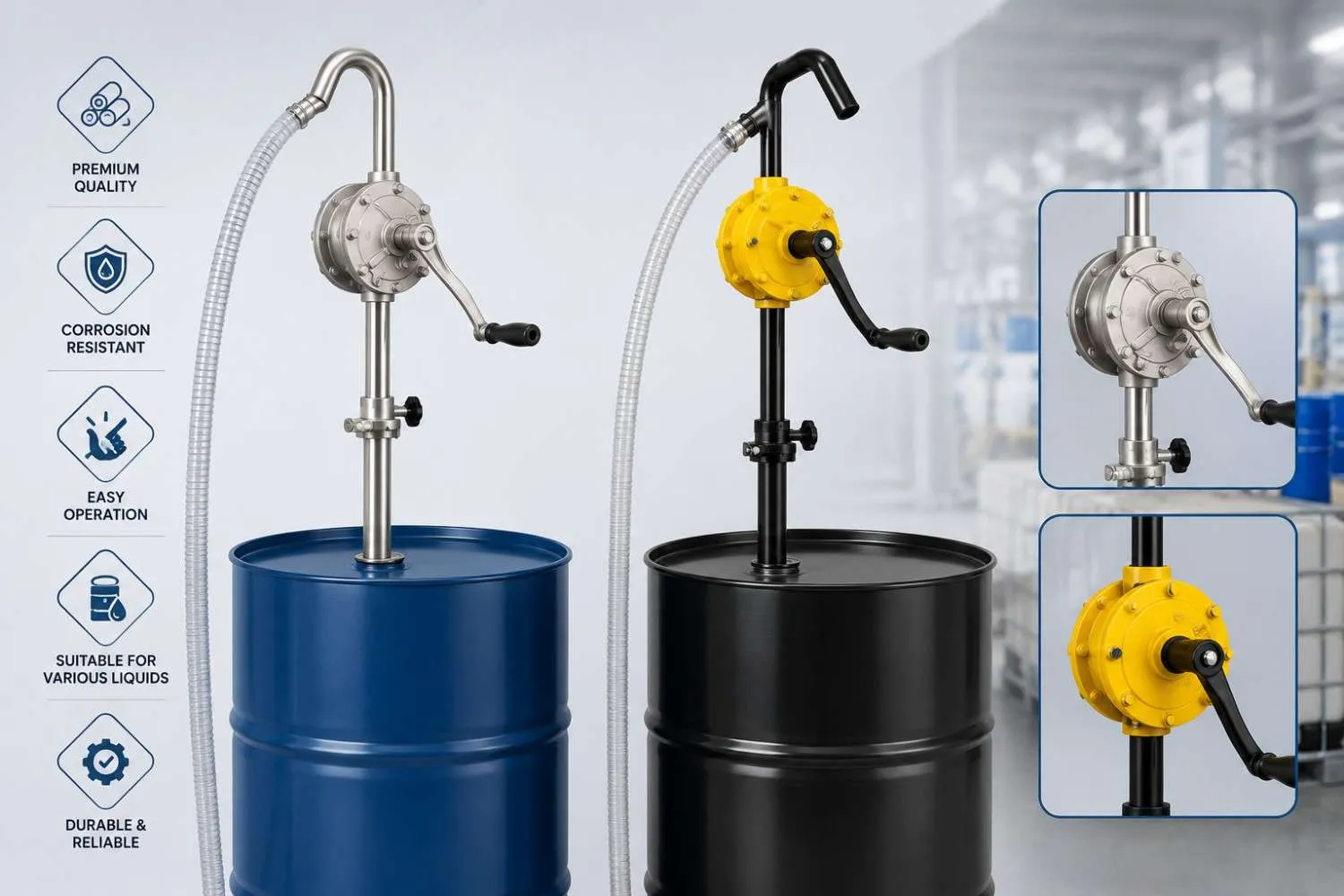

Production delays usually begin with small equipment failures. A cracked seal. Uneven flow. A transfer pump that suddenly jams halfway through moving solvent from one drum to another. That’s why industries buying an SS Barrel Pump rarely treat it like a routine purchase anymore. One bad unit can waste raw material, delay dispatches, and create safety trouble on the factory floor within hours.
And honestly, plenty of buyers still underestimate how much damage a low-grade Barrel Pump can cause.
India’s manufacturing sector has expanded aggressively across chemicals, lubricants, paints, food processing, and pharmaceuticals over the last decade. As factories scale output, demand for stainless steel pumping systems keeps rising because companies are tired of replacing cheaper coated pumps every few months.
Why Stainless Steel Quality Changes Pump Performance Completely
The Material Difference Buyers Notice Too Late
Most industrial-grade SS Barrel Pump Manufacturers in India work with SS 304 or SS 316 stainless steel. On paper, the difference looks minor. Inside a chemical plant, it isn’t.
SS 316 handles corrosive liquids far better, especially where chlorides or aggressive solvents are involved. Buyers handling acids usually figure this out only after seeing rust marks near the lower assembly or around welded joints.
Typical specifications include:
Common Technical Details
- Flow rate ranging between 20 and 35 LPM
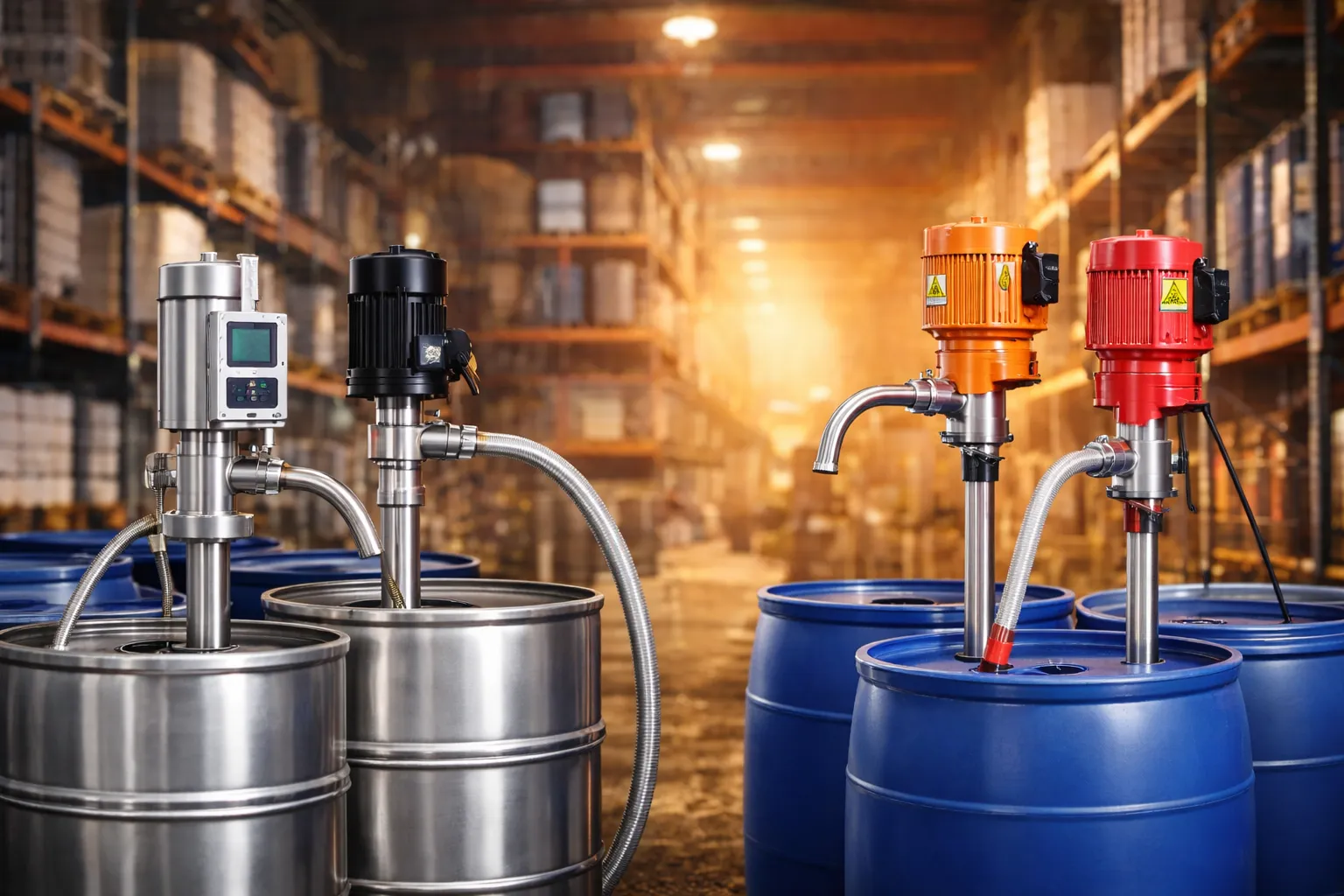
- Suitable for 50-liter and 210-liter drums
- Rotary and hand-operated models
- PTFE seal compatibility for chemicals
- Stainless steel suction tubes
- Threaded or clamp-based drum fittings
The Weld Finish Problem Nobody Explains Properly
Here’s where cheaper manufacturing starts showing.
Poor internal welding creates tiny rough spots that trap residue. In pharmaceutical or food-related applications, those spots become cleaning headaches during inspections. Experienced SS Barrel Pump Suppliers pay attention to inner polishing because auditors increasingly inspect hygiene-sensitive equipment closely.
Most buyers never ask about shaft thickness either.
That mistake becomes expensive later because thinner shafts bend faster under continuous industrial use, especially during heavy oil transfer or high-viscosity liquid handling.
The Questions Procurement Teams Should Ask Before Ordering
A polished catalog means nothing if the supplier cannot maintain consistency batch after batch.
1. Ask for Material Verification
Reliable answer:
“We maintain stainless steel batch records.”
Weak answer:
“Material comes from trusted vendors.”
That sentence usually means there’s no proper traceability once complaints begin.
2. Check Spare Availability
Reliable answer:
“Seal kits and shafts are available immediately.”
Weak answer:
“We’ll arrange after confirmation.”
Which normally translates into delayed maintenance and longer downtime.
3. Ask About Chemical Compatibility
Reliable answer:
Specific compatibility recommendations.
Weak answer:
“Suitable for industrial liquids.”
Industrial liquids is not a technical category.
4. Verify Packaging Standards
Reliable answer:
Protective packing with shaft locking and moisture protection.
Weak answer:
“Transport damage rarely happens.”
Anyone handling interstate industrial shipments knows that isn’t true.
5. Understand Who Handles Service Support
Reliable answer:
Dedicated technical contact.
Weak answer:
“Please coordinate with sales.”
Sales teams disappear quickly once payment follow-ups end.
How a Good Barrel Pump Protects Operational Costs
Lower Product Wastage
Even minor leakage during transfer adds up fast in chemical plants or lubricant facilities. A properly built Barrel Pump reduces spillage and improves transfer control during repetitive operations.
Reduced Maintenance Interruptions
Factories operating two or three production shifts cannot afford equipment that constantly needs repairs. Stable shaft balancing and proper seal fitting directly affect maintenance frequency.
Safer Liquid Transfer
That matters more than brochures admit.
Industrial accidents involving chemical spills still remain a serious concern in processing facilities, particularly where operators use poor-quality pumping systems with inconsistent sealing.
Better Long-Term Purchasing Value
A slightly higher upfront cost often reduces replacement frequency over the next few years. Experienced buyers usually calculate lifecycle cost instead of comparing quotation prices alone.
More Predictable Supply Timelines
Established Barrel Pump Wholesalers and manufacturers generally maintain spare inventory because industrial buyers cannot wait three weeks for replacement parts during active production schedules.
Easier Compliance During Audits
Documentation matters. Industries facing ISO, GMP, or export inspections often require equipment specifications, material records, and maintenance documentation from suppliers.
Why Indian Manufacturers Continue Expanding Globally
India’s industrial pump manufacturing ecosystem has become stronger because production clusters support faster machining, fabrication, and dispatch operations. Gujarat, Maharashtra, and Delhi NCR remain key supply regions due to easier access to raw materials, transport routes, and fabrication vendors.
That supply chain proximity reduces delays significantly.
A Barrel Pump Manufacturer working near industrial logistics corridors can often dispatch urgent orders faster than smaller workshops dependent on outsourced machining work. Buyers managing export deadlines notice this immediately.
Several SS Barrel Pump Manufacturers in India now supply buyers across Africa, Southeast Asia, and Gulf markets. Export exposure usually improves documentation standards because overseas clients reject inconsistent specifications without hesitation.
About Giza Pumps
At Giza Pumps, we’ve spent years working with industrial buyers who were frustrated by recurring leakage complaints and unstable pump quality from low-cost suppliers. One lubricant manufacturer approached us after replacing imported seal assemblies three times in a single year because the shaft tolerance was inconsistent. Situations like that are more common than people outside manufacturing realize.
We manufacture industrial pumping solutions for chemical, oil, pharmaceutical, and process industries across India. Our focus stays practical — stable material quality, dependable dispatch timelines, and equipment that survives real factory conditions instead of just looking good in catalogs.
If you need an SS Barrel Pump for oils, solvents, chemicals, or industrial liquids, send us:
- Liquid type
- Drum capacity
- Required flow rate
- Quantity requirement
- Delivery location
We usually respond within one working day. MOQ depends on model specifications and material grade. At Giza Pumps, we prefer discussing technical details early rather than fixing avoidable problems later.
Conclusion
Industrial buyers don’t keep changing pump suppliers without reason. Most move after dealing with leakage issues, delayed dispatches, weak materials, or poor support responses. Choosing experienced SS Barrel Pump Manufacturers in India gives industries better reliability, safer transfer operations, and fewer production disruptions. And as manufacturing pressure increases across sectors, dependable equipment suppliers will matter even more over the next few years.
Here is another blog you might be interested in
How to Choose the Best Barrel Pump Manufacturer and SS Barrel Pump Suppliers in India
FAQs
1. Which industries commonly use SS Barrel Pumps?
Chemical plants, lubricant units, pharma factories, edible oil processing, paint production, and cosmetic manufacturers use them for safe liquid transfer and cleaner handling.
2. Are Barrel Pump Wholesalers suitable for bulk purchasing?
Yes, mainly for standard models. Buyers needing custom sizes or chemical-specific setups usually prefer dealing directly with manufacturers over only using Barrel Pump Wholesalers.
3. How do SS Barrel Pump Suppliers handle chemical compatibility?
Most SS Barrel Pump Suppliers suggest models after checking the liquid type, viscosity, and corrosion level. Sharing exact chemical details avoids wrong material selection.
4. What should buyers check before choosing a Barrel Pump Manufacturer?
Buyers should check material quality, spare support, dispatch timelines, and technical knowledge. A dependable Barrel Pump Manufacturer answers technical queries directly instead of avoiding details.


























Sign in to leave a comment.