
Introduction
Have you ever considered that your flooring choice could have a positive impact on the environment? When it comes to sustainable options, stained concrete emerges as a surprisingly eco-friendly flooring choice that not only beautifies your space but also contributes to a greener planet.
Longevity and Durability:
Stained concrete floors are renowned for their robust nature. Unlike some traditional flooring materials that wear out quickly, stained concrete can stand the test of time.
Its durability means fewer replacements, reducing the demand for new materials and cutting down on the environmental footprint associated with manufacturing and disposal.
Low Environmental Impact:
The production of stained concrete involves fewer raw materials compared to some other flooring options. This means less extraction of natural resources, resulting in a lower environmental impact.
Choosing stained concrete over resource-intensive materials aligns with a more sustainable lifestyle.
Energy Efficiency:
Concrete has excellent thermal mass properties, meaning it can absorb, store, and release heat effectively. In practical terms, this translates to improved energy efficiency in your home.
Stained concrete floors can aid in temperature regulation, minimizing the need for excessive heating or cooling. As a result, energy consumption is reduced and the carbon footprint is reduced.
No Need for Harmful Chemicals:
Maintaining stained concrete floors is a breeze, and it doesn't require harsh chemicals. Traditional flooring may demand regular treatments with toxic substances, impacting indoor air quality and contributing to pollution.
Stained concrete's low-maintenance nature promotes a healthier living environment by eliminating the need for harmful cleaning agents.
Reflective Qualities for Energy Savings:
Stained concrete's reflective properties can enhance natural lighting within a space. This implies that throughout the day, you may rely more on natural light, decreasing the need for artificial illumination.
Not only does this save power, but it also reduces the environmental effect of light bulb manufacture and disposal.
Sustainable Design Possibilities:
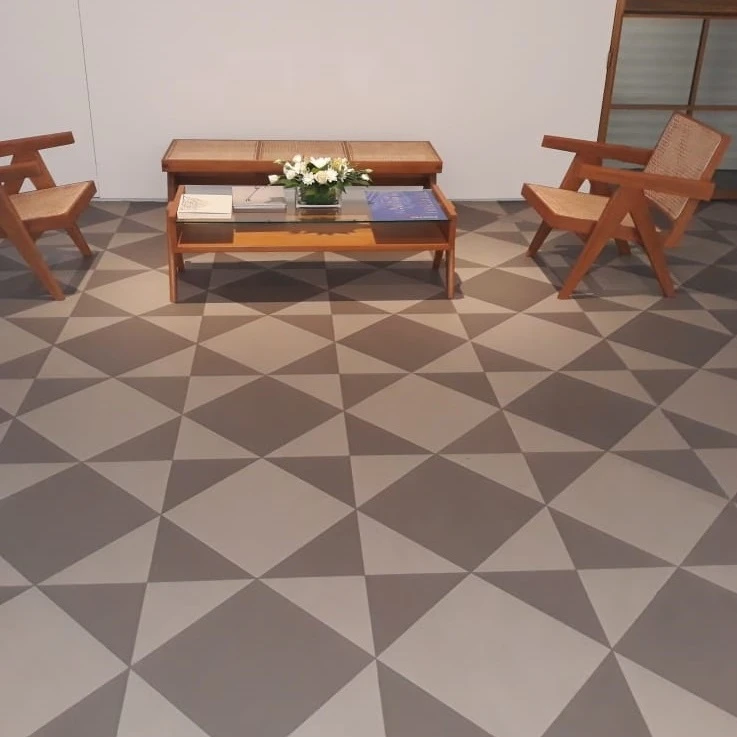
Stained concrete allows for a myriad of design possibilities, encouraging creativity and reducing the need for additional decorative materials.
Integrating sustainable design elements into your space, such as recycled materials or locally sourced aggregates, adds an extra layer of environmental friendliness to your flooring choice.
Conclusion
To summarize, stained concrete is a sustainable flooring option that complements a greener, eco-conscious lifestyle. By selecting this long-lasting and ecologically beneficial solution, you are not only improving the aesthetics of your space, but also contributing to the overall health of our world. So, one gorgeously stained floor at a time, let us take a step towards a more sustainable future.

























Sign in to leave a comment.