
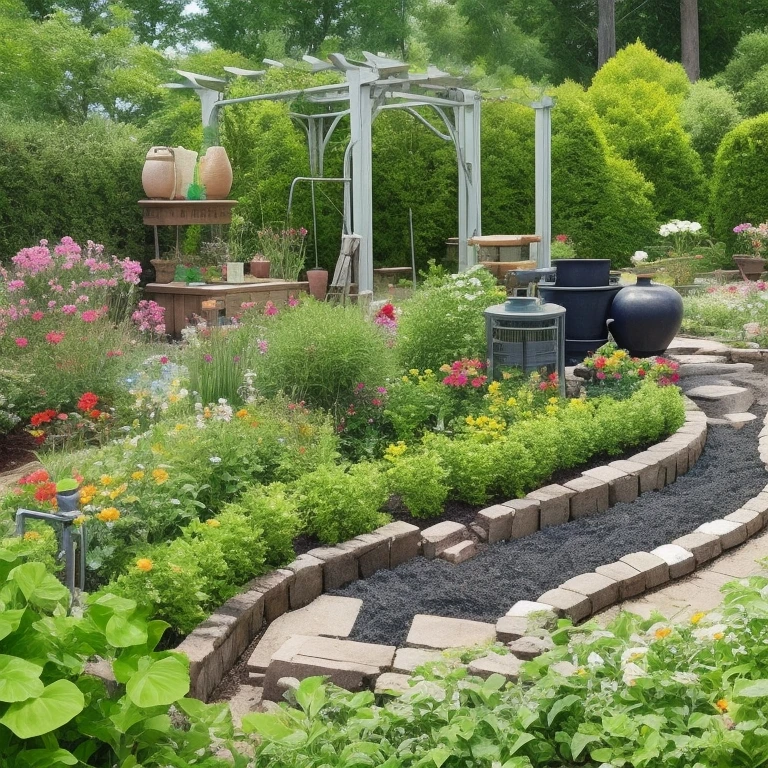
Gardening is one of the most rewarding hobbies in the world. Not only does it provide an opportunity to commune with nature, but the fruits of your labor can make for a beautiful garden that will be enjoyed for years to come. That said, suburban gardening can be a bit tricky due to its unique challenges and restrictions. So, if you’re looking to start a suburban garden this season, here’s what you need to know.
Types of Plants
The first step when planning your suburban garden is determining which plants are best suited for the space and climate. If the area is particularly dry or windy, go with drought-tolerant plants that are better equipped to withstand these conditions. Also, consider the size of your space; smaller flowers, herbs, and shrubs are generally easier to manage in tight quarters. Finally, take into account how much sunlight reaches your garden throughout the day—some plants require full sunlight while others prefer partial shade.
Garden Preparation
Before planting anything in your new garden, it’s important to properly prepare the soil so that it has all of the nutrients necessary for growing healthy plants. Start by removing any weeds from your plot and then spread fertilizer over the entire area before tilling it with a shovel or rototiller. Then rake away any debris or large stones left behind by tilling and watering thoroughly before planting anything else in the soil. Additionally, if you’re living in an area where there’s snowfall over winter months, you should also consider building raised beds so that they’re easy to access when covered with snow or ice.
Maintenance Tips
Once you have planted everything in your new suburban garden, it’s time to start thinking about how you will maintain it throughout each season. Be sure to water regularly during hot summer months and mulch around plants as needed—this will help conserve moisture and deter weeds from germinating in newly planted areas. Additionally, keep an eye out for pests such as aphids or slugs that can quickly damage young plants if left unchecked—if necessary, use natural pest control methods like homemade sprays or traps rather than chemical pesticides whenever possible. Lastly, remember that just like people need regular checkups at their doctor's office every year for preventive care maintenance—your suburban garden also needs regular inspections!
Conclusion
Suburban gardening may seem daunting at first glance but it doesn't have to be! With proper preparation and maintenance techniques like those outlined above you can grow a stunning suburban garden with ease this season! From selecting appropriate plants based on size and climate needs all way through providing regular maintenance checks—you'll soon reap the rewards of all of your hard work tending your own backyard paradise! So grab some gloves and get ready; happy gardening!








Sign in to leave a comment.