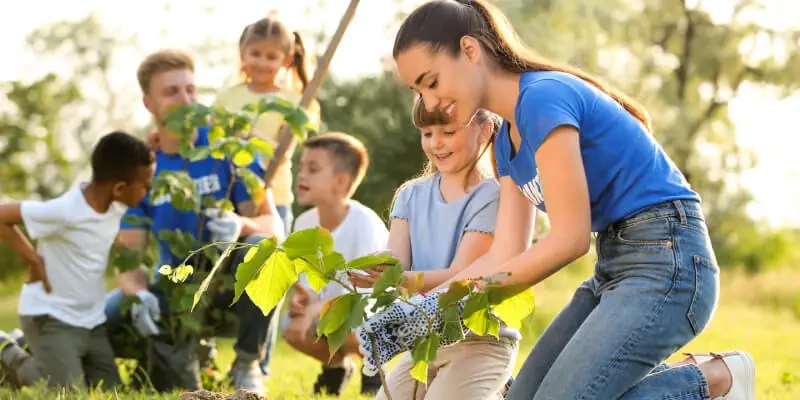

At Nature’s Point, we believe that environmental education should begin early, when children are naturally curious about the world around them. Teaching sustainability in early childhood helps shape lifelong habits of care, respect, and responsibility toward the planet.
Building a Foundation for Environmental Awareness
Early childhood is a crucial stage for developing an understanding of how human actions affect the environment. Introducing concepts like recycling, conservation, and responsible resource use allows children to see that they play an important role in protecting the Earth. Activities such as gardening, sorting waste, and learning about the natural cycle of plants and animals make these lessons tangible and memorable.
Learning Through Exploration and Curiosity
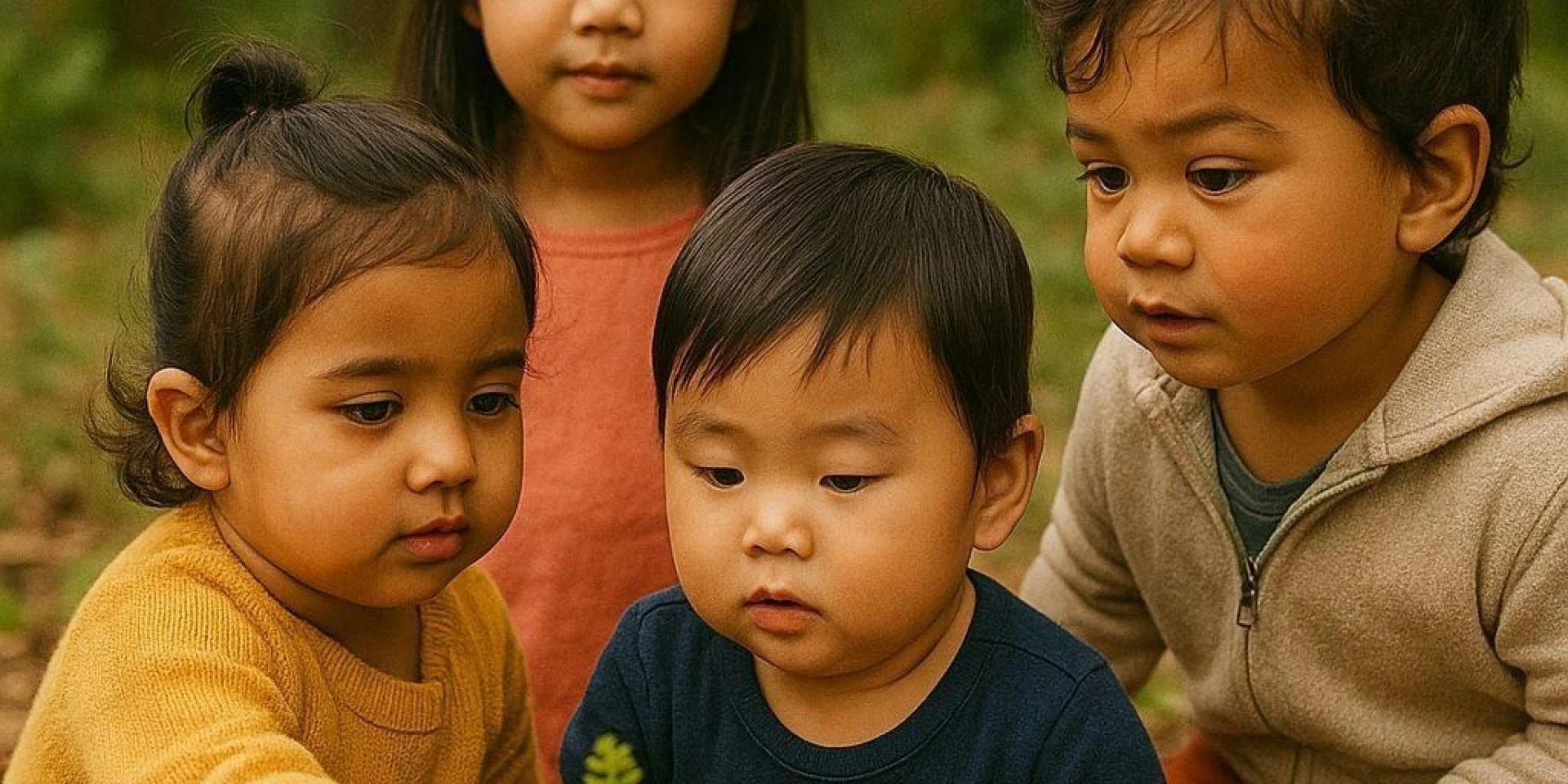
Children learn best when they explore and make discoveries for themselves. Providing opportunities to interact with nature — from observing insects in the garden to caring for plants — helps them form a meaningful connection with the environment. Educators can guide discussions that encourage questions about where food comes from, what happens to rubbish after it’s thrown away, and why taking care of Papatūānuku (Mother Earth) matters.
This inquiry-based learning fosters curiosity, empathy, and a deep respect for living things, helping children understand that their choices have real-world effects.
Encouraging Sustainable Habits Every Day
Embedding sustainability into daily routines turns abstract ideas into lifelong behaviours. Simple actions like reusing materials, conserving water, and composting food scraps teach children that small changes can make a big difference. Involving families in these practices ensures that the message of sustainability continues beyond the classroom, reinforcing consistency and shared responsibility.
Growing Green Hearts, One Step at a Time
A Papakura childcare centre that embraces sustainability provides children with the tools to become thoughtful caretakers of their environment. By combining hands-on learning, curiosity-driven exploration, and community participation, we can raise a generation that values balance between people and the planet.
Through early education, we are not just nurturing young minds — we are growing green hearts that will help shape a sustainable future for all.





















Sign in to leave a comment.