

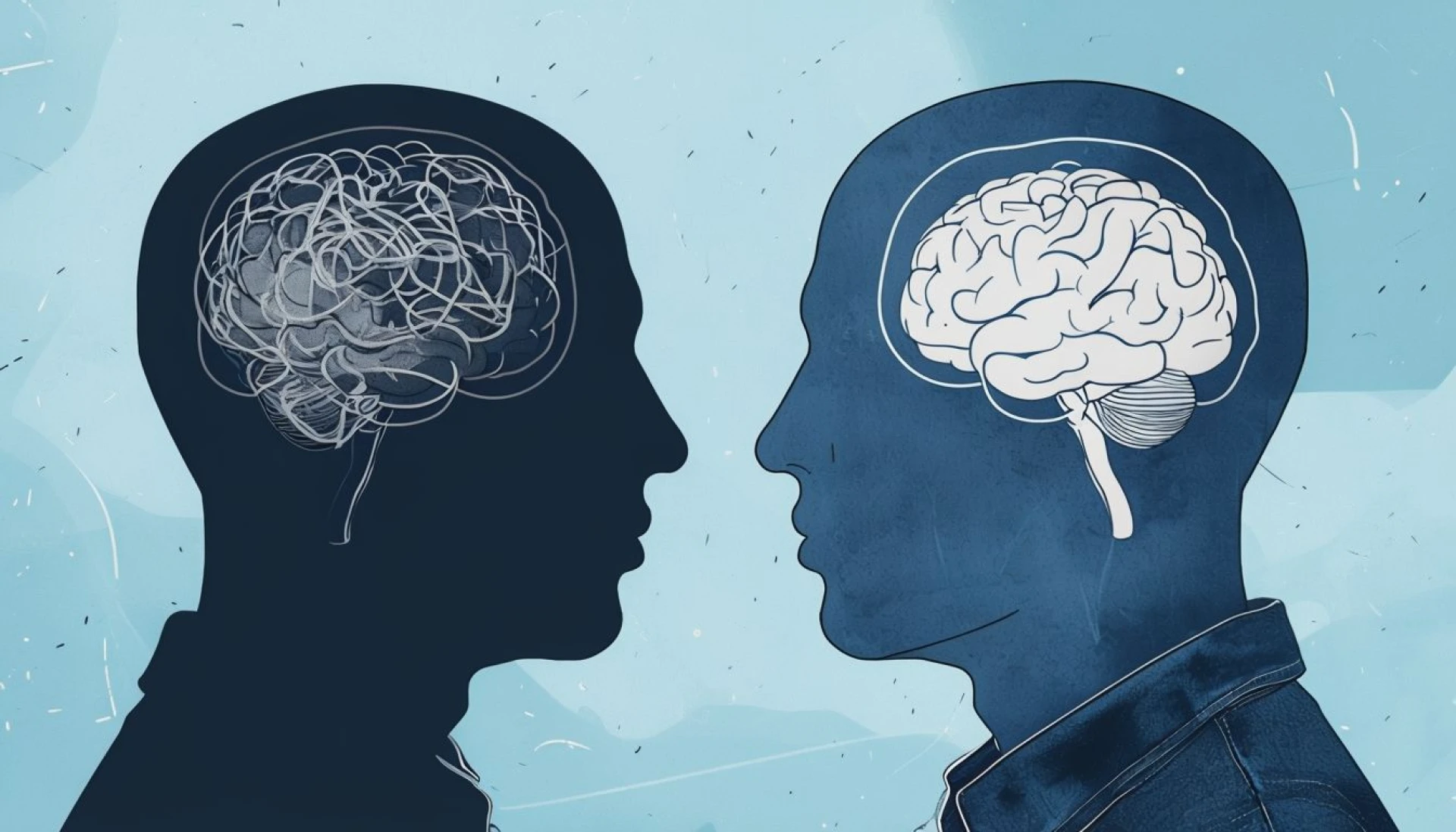
Indian workplaces have begun to see subtleties walk in vector form on mental health. The fast-tracking of mental health going from a 'do not discuss' near impossible taboo to beyond a talk is a huge leap for organizations that have been happening in plain sight. Once thought of as a personal issue, filling out an HR form to see this change evolve into a shared responsibility of all employees, leaders, and HR teams is momentous.
This blog explores how Indian companies are responding to the growing awareness around mental health and how the landscape is evolving with a grounded, balanced perspective.
How Have Mental Health Initiatives Evolved in Indian Workplaces?
The workplace conversation about mental health stayed private or completely off the table ten years ago. Staff members who experienced burnout or stress received the basic advice to step away from work. Current businesses create mental health webinars while providing therapy services and training their leadership teams to support workers emotionally. According to a 2023 report by Mind Share Partners, companies are increasingly recognizing the need for mental health support as a core business strategy.
In early times office well-being focused only on physical health through yoga classes and yearly medical examinations paired with gym expense compensation. But, over time, organizations woke up to the idea that what is best for productivity is inevitably and inseparably tied to mental wellbeing. People who feel psychologically safe, emotionally supported, and really listened to in the workplace, are able to thrive and ultimately perform better. Research from the World Health Organization (WHO) highlights that emotional well-being is crucial for overall workplace health and productivity.
Organizations direct their efforts toward developing early mental health interventions which support their teams before serious breakdowns occur. Certain organizations have started incorporating emotional well-being in their strategic business plans because they view it as indispensable for their long-term prosperity.
What Are the Most Popular Mental Health Programs in India?
Mental health programs exist with many distinct approaches which do not share common standards today. Recent business strategies mix diverse mental health initiatives consisting both of formal programs and informal plans.
Employee Assistance Programs (EAPs): Organizations activate Employee Assistance Programs (EAPs) to provide confidential counseling and emotional support combined with psychological consultations to both staff members and their family members. Both big and medium-sized organizations widely implement Employee Assistance Programs.
On-site or virtual counseling: Many firms now provide access to trained psychologists, either in person or through virtual platforms.
Wellness Webinars and Mental Health Days: The practice of holding Wellness Webinars and Mental Health Days has shifted into regular monthly events among different organizations for their staff. Some even offer "mental health leave" or additional time off to support emotional recovery.
Peer Support Programs: Organizations train their workforce volunteers into mental health buddies under Peer Support Programs to listen supportively while directing affected employees to professional therapy when required.
Awareness Campaigns: These coordinated activities are designed for the purpose of educating employees about mental health, emotional well-being, and their associated options for support. They may include sessions, posters, open conversations, etc. The objective is to minimize stigma and increase help-seeking, develop a real culture for taking mental health seriously.
Mental Health First Aid (MHFA): Mental Health First Aid (MHFA) provides employees with proven skills to recognize mental health problems in addition to comprehending their symptoms and creating suitable responses. Indian organizations are recognizing mental health first aid as an ideal solution for developing strong mental health capabilities within their employee groups.
Which Indian Companies Are Leading Mental Health Initiatives?
Multiple Indian corporations across a range of sectors are taking action to promote mental health in the workplace. Some of the corporations that have led the way include:
- TCS and Infosys provide in-house counseling services and a wellness platform to all employees.
- Wipro has emotional health & well-being programs as well as workshops to build resilience.
- Tata Steel has created a mental wellness support line and peer support groups.
- Accenture India offers mental health days, reimbursement for therapy sessions, and awareness and training sessions on mental health in the workplace.
- Godrej Group included mental health as part of their overall wellness policy and engaged employees in mindfulness training.
- Mahindra Group offers grief support and postpartum programs and training about burnout prevention.
Furthermore, an increasing number of Indian companies, large and small, are creating mental health task forces, budgeting for mental health support, and providing leave policies for mental health on a similar basis as a physical health issue.
What Role Does Technology Play in These Initiatives?
Technological development serves as a major force that expands mental health assistance capabilities. Accessibility and confidentiality of services have improved through technology which particularly benefits remote and hybrid teams. Here’s how:
Mental health apps: Many employees now use apps for guided meditation, mood tracking, and stress management. The tools operate through private systems which remain simple to access.
Online therapy platforms: Digital platforms provide professional counseling services to employees through online programs that eliminate travel requirements for clients who need to stay in their homes.
Chatbots and AI-based screening tools: Some businesses use AI and chatbot-based screening tools which pose simple questions to users before giving tailored assistance according to their responses.
Learning Management Systems (LMS): Mental health training and education is distributed to large groups through Learning Management Systems (LMS). Large-scale departments can access MHFA educational materials by integrating them through Learning Management System frameworks.
Technology provides valuable support which benefits those employees who lack the willingness to seek help at the present time.
What Challenges Do Companies Face in Scaling Mental Health Programs?
Companies experience several obstacles during their attempts to launch and expand their mental health initiatives.
Stigma still exists: Even though mental health has received progress, most workplaces still fear openly discussing their conditions. The workforce holds concerns about how others would perceive or misunderstand them.
Low engagement: Many employees either don’t know about available mental health services or doubt their confidentiality and usefulness. As a result, programs like EAPs and wellness events often go underused.
Lack of internal resources: Hence smaller organizations frequently lack a sufficient workforce along with sufficient time required to implement these programs.
Cultural differences often create barriers, as stigma and traditional beliefs about mental health discourage employees from openly seeking support.
Sustaining momentum: Organizations find it simple to introduce new campaigns or produce one-time webinars. But creating a lasting impact takes ongoing effort, leadership support, and regular feedback.
Companies that succeed often start small, listen actively, and refine their programs based on employee needs rather than assumptions.
What Is the Future Outlook for Mental Health Initiatives in India?
The outlook for the future is bright, as mental health is finally no longer considered a "soft topic" but an important aspect of business performance and workplace sustainability. Over the next few years, we will certainly see Indian workplaces become more structured and proactive about mental well-being. Specifically:
- We will see a shift from reactive crisis management to proactive, team-wide strategies (rather than simple programs) focused on building emotional resilience, coping skills, and psychological safety.
- We will see leadership engaged in mental health, creating an environment of openness, empathy, and inclusion.
- Mental health positions, performance appraisals, and managerial training will evolve as awareness increases and expectations of employees change.
- Strategic partnerships with mental health institutions (like Mental Health First Aid India) to co-create culturally based, evidence-based solutions
- An increase in the use of data analytics through employee feedback, usage trends, and pulse surveys to hone and personalize mental health offerings.
All in all, these trends lead to a future where mental health is commonplace as part of workplace strategy. No longer an obligation, or check-list item, but an essential driver of employee well-being, productivity and ultimately, business success.
Conclusion
The progress made regarding mental health in Indian workplaces continues but managers need to maintain this trajectory. What matters now is consistency. The creation of emotionally safe work cultures demands both time and team effort as well as trust from employees. The goal of business investment in employee emotional well-being together with professional development needs is to establish mental health awareness on the same level as discussions about deadlines and meetings. We should dedicate ourselves toward achieving this future because it brings benefits to everyone.










Sign in to leave a comment.