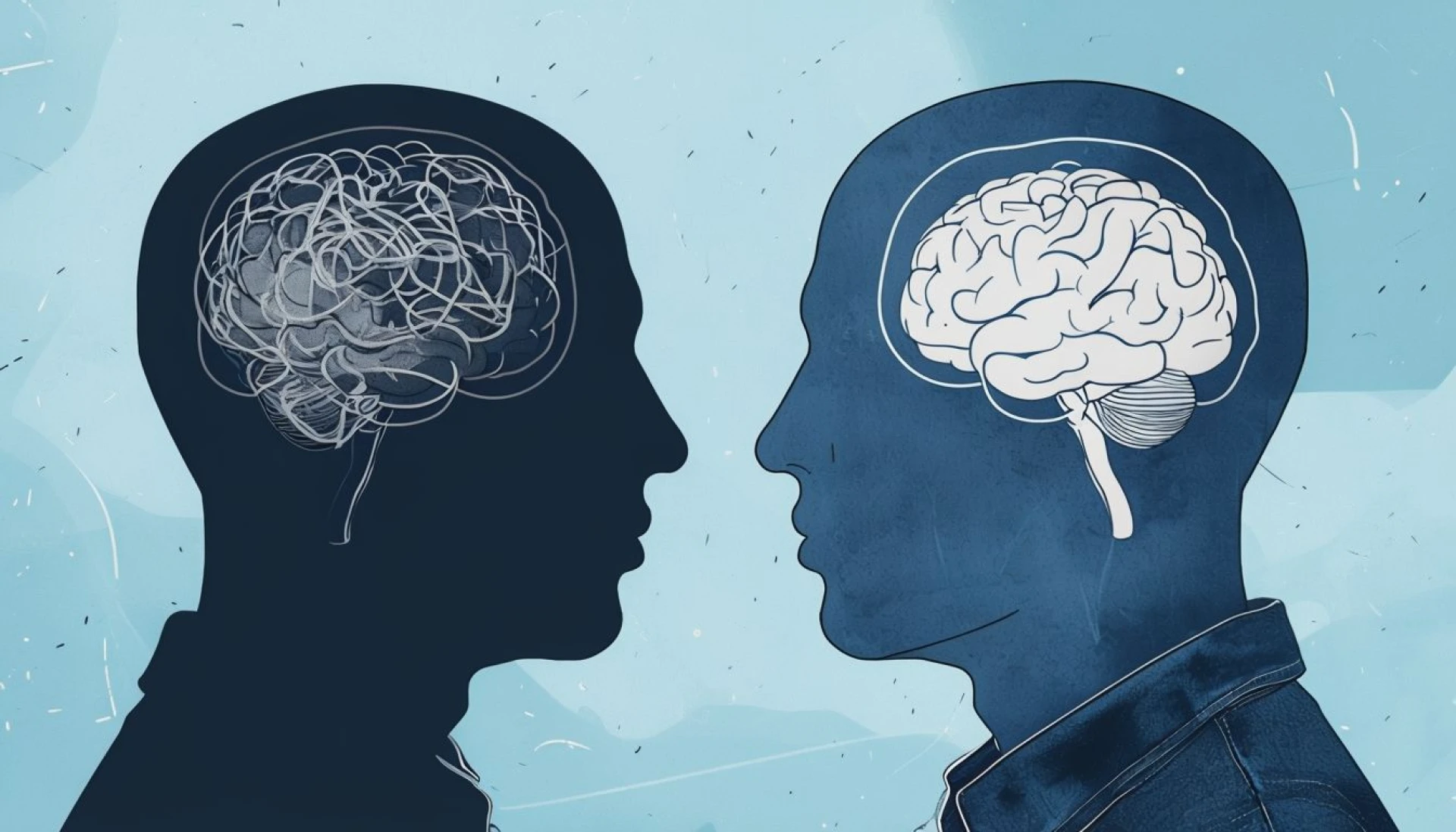

Mental health is an essential part of our overall well-being. Just like physical health, it requires care and attention. However, despite its importance, mental health is often misunderstood or overlooked. Raising awareness helps break stigma, promote early intervention, and ensure people get the support they need. In this article, we’ll explore what mental health is, why it matters, and the key challenges surrounding it.
What is Mental Health?
Mental health is the state of our psychological well-being. It is connected to how we think, feel, and behave in our day-to-day activities. It involves managing the highs and lows of living, being productive and contributing to whatever is possible to society. This is why mental health is also important as physical health. When a person is mentally well, one is easily able to excel in their work, in interpersonal relationships, and in problem-solving.
Why is Mental Health Important?
Mental health cannot be given lesser value than physical health. When one is mentally healthy, one can:
- Handle stress effectively
- Maintain healthy relationships
- Work productively
- Make good decisions
- Contribute to society
However, if we do not take care of our mental health, the consequences are inability to manage stress, development of physical health complications and mental illness. Caring for one’s mental health means that one is capable of leading a happy and balanced life.
What is Mental Health Awareness?
Mental health awareness refers to the knowledge, promotion and acceptance that focuses on the health of the mind, demystification of mental illnesses and enhanced discussion. Awareness
helps:
- Raise knowledge on all aspects pertaining to mental health.
- Early intervention and treatment.
- Support individuals with mental illness rather than having the idea that these individuals are disabled. Consequently, they shall be treated in a way that there is no stigma associated with having a mental illness.
- Promote self-care and resilience.
Most of the time, lack of awareness gives room for myths and stigmas. It is for this reason that several people still regard mental health as a weakness that one can snap out of. At the same time, increasing awareness encourages people to get information about the signs that are relevant to the disorder, asking for assistance without feeling embarrassed, and embracing all those who experience the disorder.
What Are Mental Health Problems?
The World Health Organization (WHO) recognizes a spectrum of mental health states, ranging from positive mental well-being to various levels of mental distress and disorders. Mental Health Problems include temporary disturbances in thoughts, emotions, or behaviors, often in response to stressors like work challenges or personal conflicts. Such problems might manifest as increased anxiety or periods of sadness but typically resolve once the stressor is addressed.
Understanding this spectrum emphasizes that mental health is not merely the absence of illness but involves maintaining overall psychological well-being. Recognizing and addressing mental health problems is crucial for leading a balanced and fulfilling life.
The Difference Between Mental Health and Mental Illness
Mental health can be defined as a state of mind that makes it possible for an individual to appreciate life and develop proper relationships with others and the world at large, while mental illness is specific diseases that affect the thinking capacity, mood or behavior of a person. Like physical well-being, mental well-being can be in a condition of high or low levels. Experiencing occasional stress or anxiety is a normal part of life and does not mean a person has a mental illness. However, if one has symptoms that hinder a person with his or her daily activities, then seeking professional help may become necessary.
Conclusion:
Mental Health is a critical aspect of our lives, accompanies individuals in their personal relationships and determines peoples’ well-being. As such, awareness, prevention, and overcoming difficulties can build a better world that pays attention to this issue. It symbolizes that small efforts along with friendly behavior and more focus on the topic can help make mental health a concern for all.



























Sign in to leave a comment.