Rodents can be a nuisance in any household, causing damage to property, spreading disease, and generally making for unwelcome guests. Effective rodent control is essential to maintain a healthy and safe living environment. In this article, we will explore various methods and tips for keeping your home rodent-free.
Understanding the Problem
Before implementing any
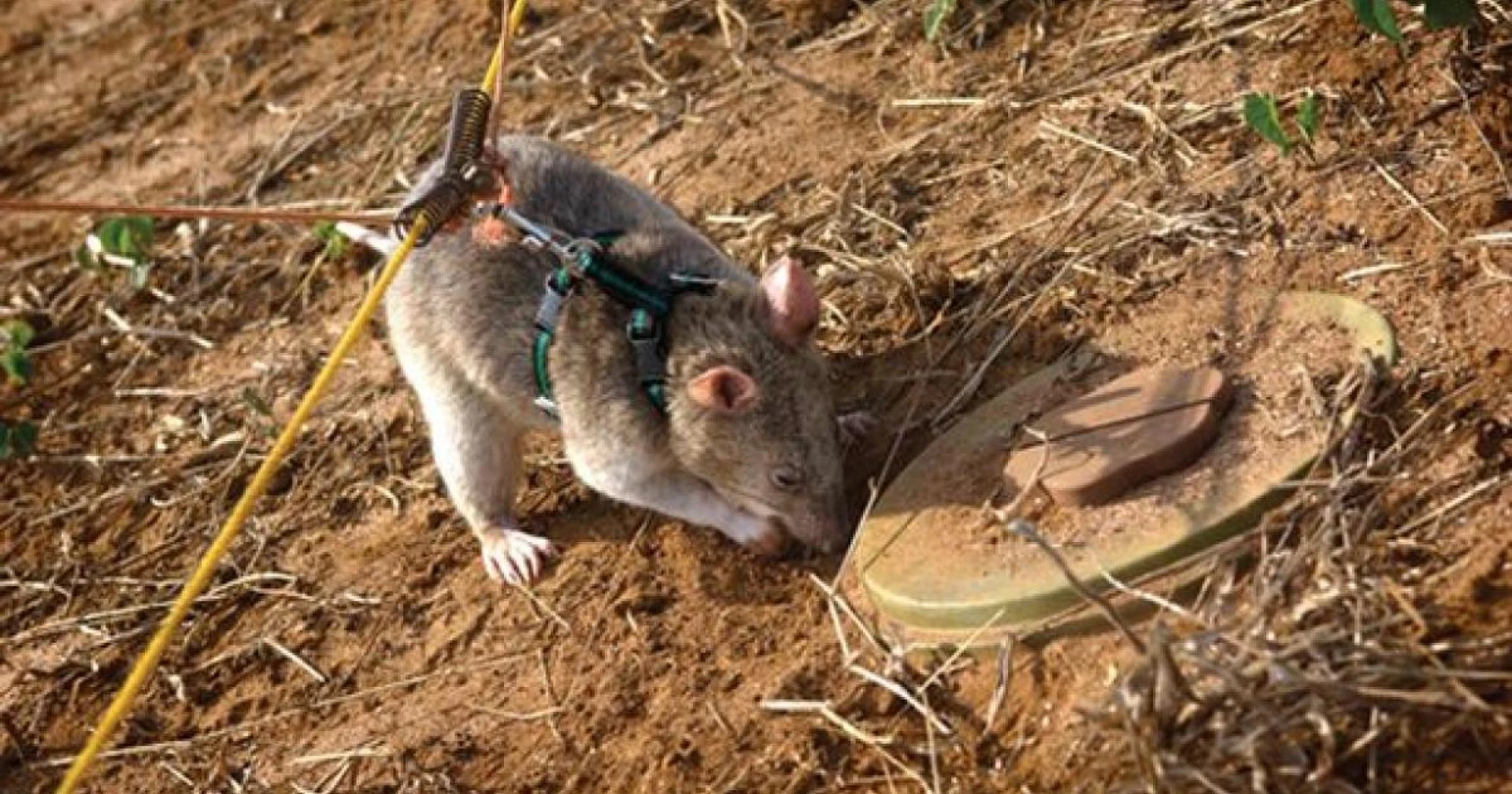
rodent control measures, it's crucial to understand the behavior and habits of rodents. The most common household rodents are mice and rats, and they are attracted to food, water, and shelter. They are highly adaptable creatures, capable of squeezing through very small openings and reproducing quickly, which makes them challenging to control.
Prevention is Key
Seal Entry Points: Mice and rats can enter through surprisingly small openings. Seal any cracks or holes in walls, floors, and foundations with materials like steel wool, caulk, or mesh.Maintain Cleanliness: Keep your home clean and tidy. Regularly sweep floors, clean up spills, and store food in airtight containers.Proper Food Storage: Store food in sealed containers made of glass, metal, or heavy plastic. This includes both human and pet food.Limit Outdoor Access: Keep doors and windows closed, and install door sweeps. Make sure screens on windows are intact and in good condition.Trim Vegetation: Keep vegetation near your home well-trimmed to discourage rodents from nesting there.Elevate Firewood and Clutter: Store firewood, construction materials, and other clutter off the ground to minimize hiding spots for rodents.
Natural Deterrents
Peppermint Oil: Rodents dislike the scent of peppermint. Soak cotton balls in peppermint oil and place them in areas where you suspect rodent activity.Mothballs: Mothballs can act as a deterrent. Place them in enclosed spaces, but be cautious as they can be toxic to pets and humans if ingested.Owls and Hawks: Attracting natural predators like owls and hawks can help control rodent populations. Consider installing nesting boxes for them.
Traps and Baits
Snap Traps: Traditional snap traps are effective for catching mice and rats. Place them along walls and in areas where you've seen rodent activity.Glue Traps: Glue traps can be used in areas where snap traps are not practical. They capture rodents by sticking them to a sticky surface.Live Traps: For those who prefer humane options, live traps can be used to catch rodents and then release them far from your home.Rodenticides: Use caution with rodenticides, as they can be harmful to pets and children. If using them, follow the manufacturer's instructions carefully and place them in areas inaccessible to pets and children.
Professional Assistance
If your rodent problem persists or is particularly severe, it may be time to seek professional help. Pest control experts have the knowledge, experience, and equipment to effectively address rodent issues.
Conclusion
Rodent control is an essential aspect of maintaining a healthy and comfortable living environment. By taking preventative measures, using natural deterrents, and employing traps or baits when necessary, you can effectively keep rodents at bay. Remember to exercise caution when using any chemicals or traps, and if in doubt, seek the assistance of a professional pest control service. With these tips in mind, you can enjoy a rodent-free home





























Sign in to leave a comment.