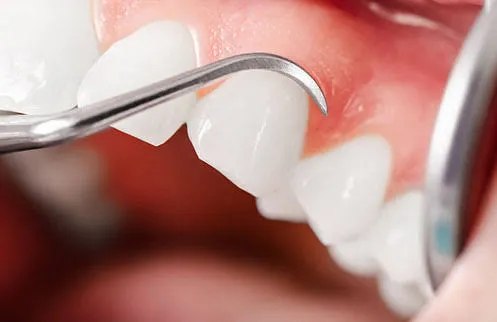

Gum health can change without much warning. You may notice tenderness when eating, blood while brushing, a strange taste in your mouth, or sensitivity near the gumline. These concerns may seem small, but recurring symptoms can signal inflammation or infection around the teeth.
Getting professional gum treatment in Dubai helps find the reason behind these changes and deal with them before they become harder to manage. Gum care can involve removing tartar, cleaning below the gums, treating periodontal pockets, or managing receding gums.
At Le Denté, the dentist checks the gums and supporting tissues before suggesting treatment. This helps match the care to the patient's actual condition rather than treating every gum problem in the same way.
What Happens When Gums Become Unhealthy?
The mouth naturally contains bacteria. Daily brushing and cleaning between the teeth help control the sticky plaque that these bacteria form.
Problems begin when plaque remains around the gumline for too long. It can irritate the gums and eventually harden into tartar. At this point, a toothbrush cannot remove the deposits effectively.
Inflamed gums may become red, swollen, or prone to bleeding. This early stage is commonly known as gingivitis.
If inflammation continues, the gums may begin separating from the teeth. Bacteria can then settle deeper around the roots, leading to periodontitis and possible damage to the supporting tissues.
Do All Bleeding Gums Mean Gum Disease?
Not always. Bleeding may occur because you brush too hard or have recently started flossing. However, frequent bleeding should be checked by a dentist.
You should also pay attention to:
- Swelling around the gumline
- Tenderness when brushing
- Persistent bad breath
- Gum recession
- Sensitivity near tooth roots
- A bad taste that keeps returning
- Changes in spaces between teeth
- Pus around a tooth
- Teeth becoming loose
A professional examination can separate temporary irritation from a condition that requires gum disease treatment.
How Does a Dentist Decide on Gum Treatment?
Treatment planning begins with examining more than the visible surface of the gums.
The dentist may check how firmly the gums sit around each tooth and measure the spaces between them. These spaces are called periodontal pockets. Deep pockets can make it easier for bacteria and tartar to collect below the gumline.
The examination may also check gum recession, tooth mobility, tartar deposits, bleeding, and bite changes. Dental X-rays can provide additional information when the dentist needs to examine bone support.
These findings determine what level of treatment you need.
Gum Treatment Options for Different Needs
The goal of treatment is to create a cleaner, healthier environment around the teeth. How this is done depends on the stage of the problem.
Professional Cleaning for Gum Health
Professional cleaning removes plaque and hardened tartar from the teeth. It may be suitable for patients who have mild inflammation without deeper periodontal damage.
Cleaning is also useful for prevention because some areas remain difficult to reach even with regular brushing.
Scaling and Root Planing
When deposits are present below the gums, scaling and root planing may be needed.
During scaling, the dentist removes tartar and bacterial buildup from deeper areas around the teeth. Root planing cleans the root surfaces beneath the gumline.
This procedure is often recommended when periodontal pockets have developed and normal dental cleaning cannot reach the affected areas.
Managing Gum Recession
Receding gums can expose the roots of the teeth. As a result, patients may experience sensitivity when consuming cold, hot, or sweet foods.
Treatment starts by finding the reason for the recession. Forceful brushing, periodontal disease, and tooth position are some possible factors.
The dentist may recommend changes in oral hygiene or treatment for existing gum disease. More noticeable recession may require further periodontal procedures.
Treatment for Deeper Periodontal Problems
Advanced gum disease may require additional periodontal care when infection has reached deeper tissues.
The dentist may recommend procedures that provide better access to areas around the roots. Treatment aims to control infection and preserve the healthy gum tissue and bone that remain.
Is Gum Treatment Painful?
Concern about discomfort can cause some people to postpone a dental visit. However, the experience depends on the type of procedure and the condition being treated.
Dentists can use local anaesthesia when treatment involves sensitive or deeper areas. After certain periodontal procedures, temporary tenderness may occur while the gums settle.
Your dentist can explain what to expect before starting treatment and provide aftercare instructions based on the procedure performed.
How Can You Help Your Gums Recover?
Professional treatment removes deposits and treats affected areas, but daily cleaning helps keep them from building up again.
After treatment:
- Brush gently twice each day
- Use a soft-bristled toothbrush
- Clean between teeth daily
- Follow your dentist's cleaning instructions
- Avoid smoking and tobacco
- Attend recommended follow-up appointments
- Report returning bleeding or swelling
Patients who have had periodontitis may require periodontal maintenance visits more often than routine dental patients.
Why Regular Gum Checks Are Worth It?
One difficulty with gum disease is that pain does not always appear early. You may feel fine even while inflammation is developing below the gumline.
Regular dental visits allow your dentist to compare changes in gum pockets, bleeding, recession, and tooth stability over time. Early changes are generally easier to address than advanced periodontal damage.
This becomes especially important if you have previously received treatment for gum disease.
Gum Care at Le Denté
At Le Denté, patients seeking gum care can have their teeth, gumline, periodontal pockets, and supporting tissues assessed before treatment begins.
Whether you are concerned about bleeding, gum recession, sensitivity, tartar buildup, or periodontal disease, the first step is finding out what is causing the problem. Once the condition is clear, the dentist can discuss suitable treatment and ongoing care.
Conclusion
Your gums should not regularly bleed, remain swollen, or cause discomfort. Changes around the gumline are worth checking even when your teeth do not hurt.
Timely gum treatment in Dubai can help control inflammation, remove deposits that home brushing cannot reach, and protect the tissues supporting your teeth. Professional care works best alongside good daily habits, including gentle brushing and cleaning between the teeth. With regular dental checks and proper gum care at Le Denté, patients can take practical steps toward maintaining healthier gums and protecting their natural teeth.
Frequently Asked Questions and Answers
1. How much does a gum disease treatment cost?
The cost of gum disease treatment varies depending on its severity and the procedure required. A dental examination can provide an accurate treatment plan and cost.
2. What is the best treatment for bad gums?
Treatment depends on the condition of your gums. Professional cleaning, scaling and root planing, improved oral hygiene, or periodontal treatment may be recommended.
3. Is dental treatment cheap in Dubai?
Dental treatment costs in Dubai vary by clinic, procedure, and complexity. Comparing treatment plans is helpful, but the dentist’s experience and quality of care should also be considered.
4. What are the latest gum disease treatments?
Modern gum care may include deep cleaning, periodontal therapy, laser-assisted procedures, and gum grafting. The right option depends on the type and stage of gum disease.





























Sign in to leave a comment.