

It happens to the best of us. You’re driving along, minding your own business, when a tiny pebble flies up from the road and leaves a fresh chip right in your line of sight. You’re wondering if you can get away with a quick auto windshield repair or if you need it replaced entirely.
In this guide, we’ll break down how to "read" the damage so you can make the right call.
What Causes Windshield Damage?
Windshields take a beating every day. Common culprits include:
- Road debris: Rocks, gravel, and other objects kicked up by traffic can leave chips or cracks.
- Extreme weather: Hail, intense heat, or rapid temperature changes can stress the glass.
- Collisions: Even minor fender benders can damage the windshield.
- Normal wear and tear: Over time, small chips and cracks can expand if left untreated.
State Regulations on Windshield Damage
Cracks, chips, or other damage can reduce visibility, weaken the glass, and even affect airbag deployment in a collision. That’s why many states have specific rules about the size, location, and type of damage that’s allowed before your car is considered unsafe or fails inspection.
In practice, many auto glass professionals in Arizona rely on federal windshield safety guidelines (FMVSS 205) and common enforcement patterns, which state that:
- Chips or cracks should be smaller than about ¾‑inch in diameter
- Damage areas should be spaced at least 3 inches apart
- Multiple intersecting cracks or damage in the driver’s primary view area may be considered unroadworthy.
Some states even have strict limits on the number of chips or cracks allowed before a vehicle fails a safety inspection.
4 Signs You Can Repair Your Windshield
In many cases, minor chips and cracks don’t require a full replacement. Here’s how to know if your windshield qualifies:
- Small chips or cracks (size & location) – Damage smaller than a dollar bill or less than 3/4 inch in diameter is usually repairable. These haven’t yet compromised the structural integrity of the glass and can be fixed quickly.
- Damage not in the driver’s line of sight – If the chip or crack is off to the side, corners, or other areas that don’t block your view, repair is safe.
- Single impact points – One isolated chip or crack is simpler to repair than multiple cracks or spiderweb patterns. Repairs can fill the damage effectively and stop it from expanding further due to road vibrations or temperature changes.
- When repair is safe, fast, and cost-effective – Auto windshield repair can often be completed in under an hour, costs a fraction of a full replacement, and restores much of the windshield’s original strength.
4 Signs You Need a Windshield Replacement
Sometimes, a repair just won’t cut it. If your windshield has major cracks, damage near the edges, or affects visibility, replacement service is often the only safe choice.
- Large cracks or multiple cracks - When a crack spreads beyond a few inches, or you have several cracks across the glass, the stress on the windshield becomes too great for a simple repair. Attempting to fix extensive damage can leave weak spots, so a full windshield replacement will be more cost-effective.
- Damage in the driver’s line of sight - Chips or cracks directly in front of the driver can distort vision, create glare, or hide hazards on the road. Even if a repair fills the crack, it often won’t fully restore optical clarity.
- Chips near edges or structural points - Edge cracks compromise the glass’s ability to support the roof in a rollover or to properly engage airbags, so replacement is necessary to maintain the vehicle’s structural integrity.
- Warped or weakened glass - Older windshields, or glass that has been exposed to repeated temperature swings, stress, or prior damage, may be too weak to repair safely. In these cases, replacement is the only way to prevent sudden failure under normal drives.
Does Insurance Cover Windshield Repair and Replacement?
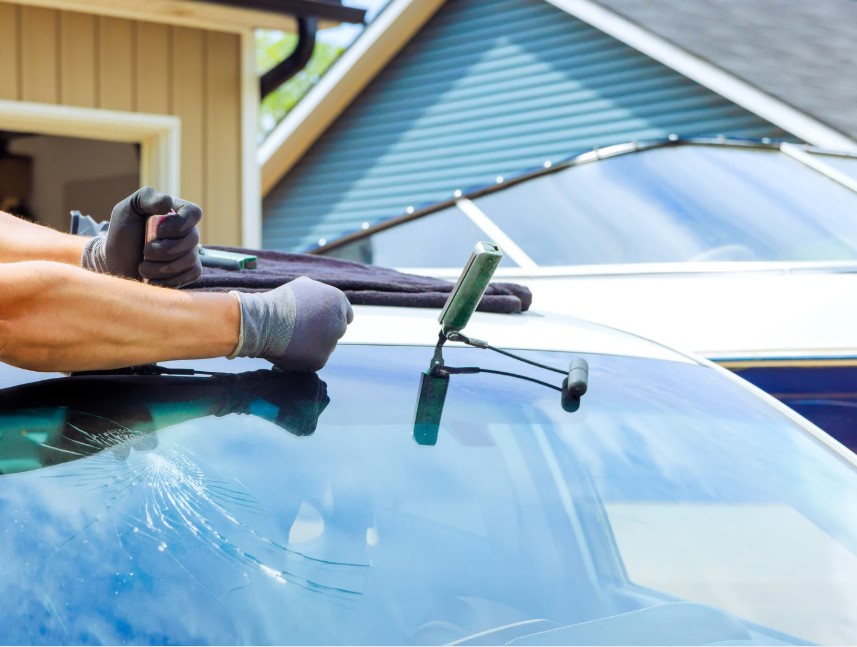
In most cases, your windshield is covered under your comprehensive auto insurance. This is the part of your plan that handles non-collisions like a stray rock hitting your glass, hail damage, or even a tree branch falling on your car.
However, if the damage is too severe and requires a full replacement, you’ll generally have to pay your standard comprehensive deductible unless you live in a "zero-deductible" state like Florida, Kentucky, or South Carolina. In those areas, state law mandates that insurers replace the glass for free to ensure drivers stay safe on the road.
For everyone else, it’s worth checking if you have a full glass rider on your policy.
Repair or Replace? Here’s Your Answer
When in doubt, consider safety first. Auto windshield repair works for minor chips and cracks, saving you money and keeping your windshield strong. Replacement is the safer option for large, spreading, or structural damage.
Regardless, it's best to at least get a professional assessment. A quick visit can tell you whether a repair will hold or if a replacement is the right move.

























Sign in to leave a comment.