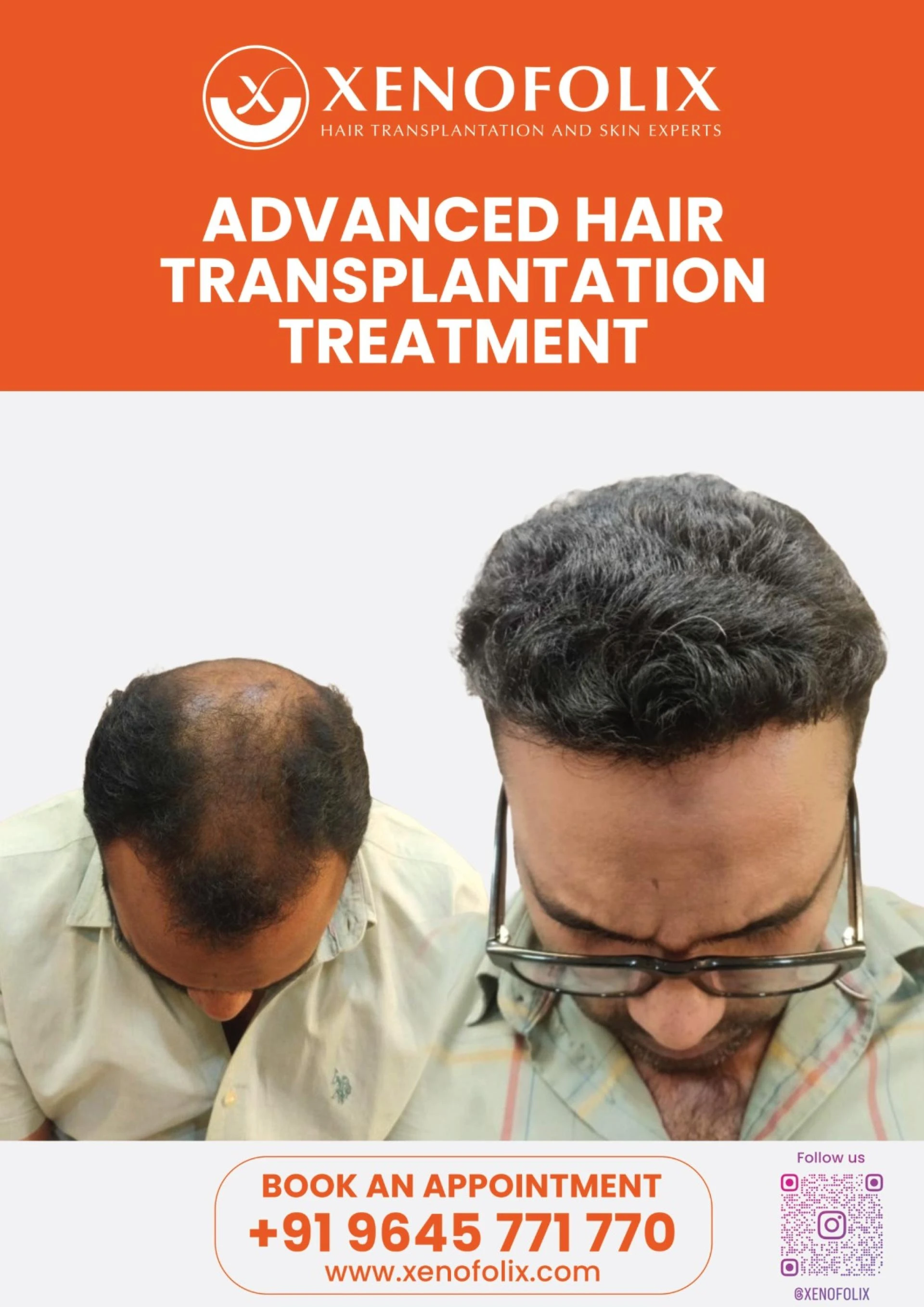
Most people approach hair transplantation with one question in mind:
“How many grafts will I need?”
But experienced clinics know that this is rarely the right question to start with.
The more important question is one that often comes much later, sometimes too late:
“Is my scalp actually ready for a transplant?”
Why Hair Loss Decisions Are Often Rushed
Hair loss affects confidence, identity, and self-image. When thinning becomes noticeable, the urge to fix it quickly is natural. Social media before-and-after photos and aggressive marketing often make hair transplantation look like an instant solution.
What these visuals rarely show is the planning behind results that still look natural years later.
Hair loss is not a frozen condition. It continues to progress. When treatment decisions are rushed without understanding this progression, even technically good procedures can produce disappointing outcomes over time.
The Role of the Scalp That Rarely Gets Attention
Hair follicles depend entirely on the scalp environment. Inflammation, poor circulation, excessive oiliness, or long-standing dandruff all affect how well hair survives, whether natural or transplanted.
A transplant performed on an unhealthy scalp is like planting seeds in poor soil. Growth may happen, but it is rarely optimal.
This is why responsible hair restoration begins with stabilising hair loss and improving scalp health before considering surgical intervention.
Planning for the Hair You Havent Lost Yet
One of the biggest mistakes in hair restoration is planning only for visible hair loss. Ethical clinics plan for future loss as well.
This involves:
- Studying family hair loss patterns
- Assessing donor area sustainability
- Designing hairlines that age naturally
- Avoiding aggressive density that cannot be supported long term
When planning ignores these factors, patients may look fine initially but struggle with unnatural gaps and imbalance later.
Experience Matters More Than Promises
Hair restoration is not just a technical service. It is a medical decision that requires judgement, restraint, and experience. Clinics that prioritise patient education often spend more time explaining what should not be done than what can be done.
This approach builds trust and leads to outcomes that patients remain satisfied with years after treatment.
A More Responsible Way Forward
Clinics that focus on diagnosis, scalp preparation, and long-term strategy tend to produce results that blend naturally with existing hair and lifestyle changes.
This philosophy is central to how Xenofolix Hair Transplantation approaches hair restoration, ensuring that decisions are made with long-term appearance and scalp health in mind rather than short-term cosmetic appeal.
Final Thought
A hair transplant is not just about replacing what is lost. It is about protecting what remains and planning for what comes next.
For those exploring hair restoration and seeking clarity beyond marketing promises, understanding the role of planning and scalp health can change outcomes completely.
You can explore more insights on responsible hair restoration here:
👉 https://xenofolix.com






























Sign in to leave a comment.