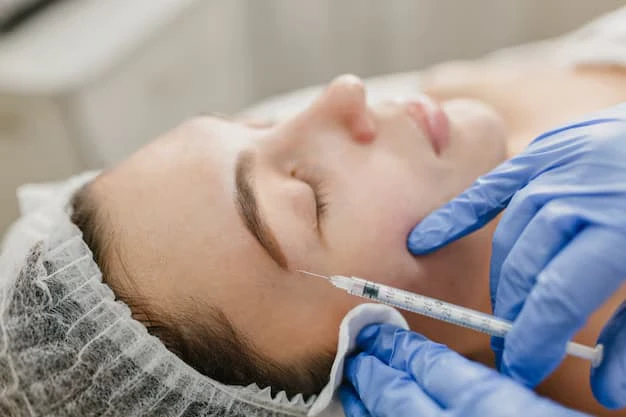

In the ever-evolving aesthetics industry, the demand for non-surgical cosmetic procedures continues to rise. One of the most popular treatments is Botox, a neurotoxin that temporarily reduces the appearance of wrinkles and fine lines. As more individuals seek these aesthetic enhancements, the need for skilled practitioners increases, making Botox courses in Glasgow an excellent opportunity for professionals looking to expand their skill set. This article explores the essential components of hands-on Botox courses, detailing what students can expect to learn and how these courses can shape their careers in the aesthetics field.
Understanding Botox and Its Applications
Before diving into the specifics of Botox courses, it is essential to understand what Botox is and how it is used in aesthetic treatments. Botox is derived from the bacterium Clostridium botulinum and works by temporarily paralyzing the muscles responsible for facial expressions. This paralysis smooths out wrinkles and fine lines, providing a more youthful appearance.
Botox is commonly used to treat dynamic wrinkles, which are caused by repeated muscle contractions during facial movements. These include forehead lines, crow's feet around the eyes, and frown lines between the eyebrows. Beyond aesthetics, Botox has medical applications as well, including treating migraines, excessive sweating, and certain muscle disorders. As the versatility of Botox continues to be recognized, the demand for trained practitioners is growing.
The Structure of Hands-On Botox Courses
Hands-on Botox courses in Glasgow are designed to provide aspiring practitioners with the knowledge and skills necessary to safely and effectively administer Botox treatments. These courses typically consist of a combination of theoretical instruction and practical, hands-on training. The following sections outline the key components of what students can expect to learn during these courses.
1. Anatomy and Physiology of the Face
A thorough understanding of facial anatomy is crucial for anyone looking to administer Botox injections. Hands-on courses often begin with an in-depth exploration of the muscles, nerves, and blood vessels of the face. Students learn about the different muscle groups involved in facial expressions and how Botox interacts with these muscles.
Understanding facial anatomy is vital for achieving optimal results and avoiding complications. Students learn how to identify key anatomical landmarks, which helps them select the appropriate injection sites. This knowledge lays the foundation for safe and effective treatment.
2. The Science Behind Botox
In addition to anatomy, students are introduced to the science behind Botox and how it works at a molecular level. Courses typically cover the mechanisms of action, including how Botox inhibits the release of neurotransmitters that signal muscle contraction. This understanding is essential for practitioners to explain the treatment to clients and address any concerns they may have.
Students also learn about the various formulations of Botox available on the market, including dosage guidelines and recommendations for different treatment areas. This knowledge is critical for ensuring safe and effective outcomes for clients.
3. Patient Consultation and Assessment
A crucial aspect of administering Botox involves conducting thorough patient consultations. Hands-on courses teach students how to assess clients’ needs and expectations, ensuring that they understand the treatment process.
During consultations, practitioners learn how to ask relevant questions, evaluate the client's medical history, and identify any contraindications for treatment. Understanding the client’s goals and desired outcomes is essential for developing a personalized treatment plan that aligns with their expectations.
4. Injection Techniques and Hands-On Practice
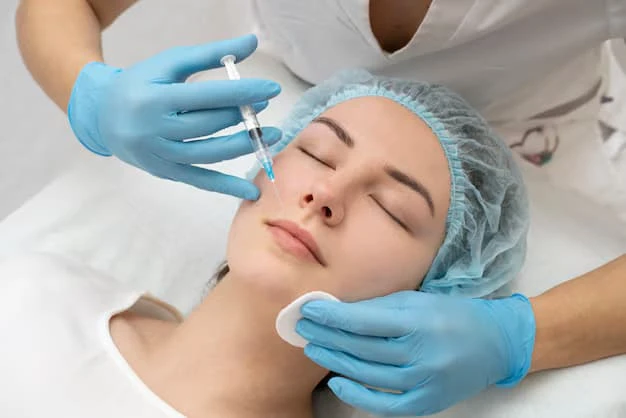
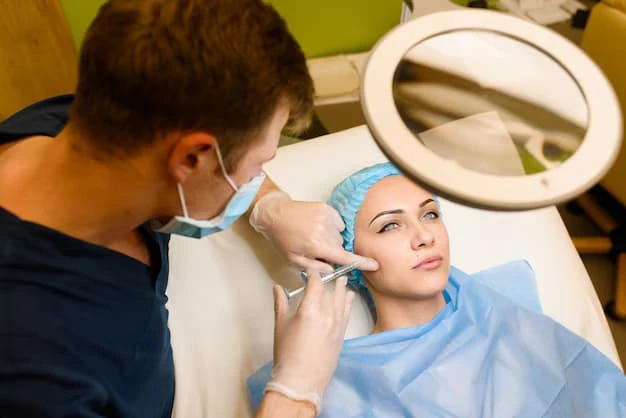
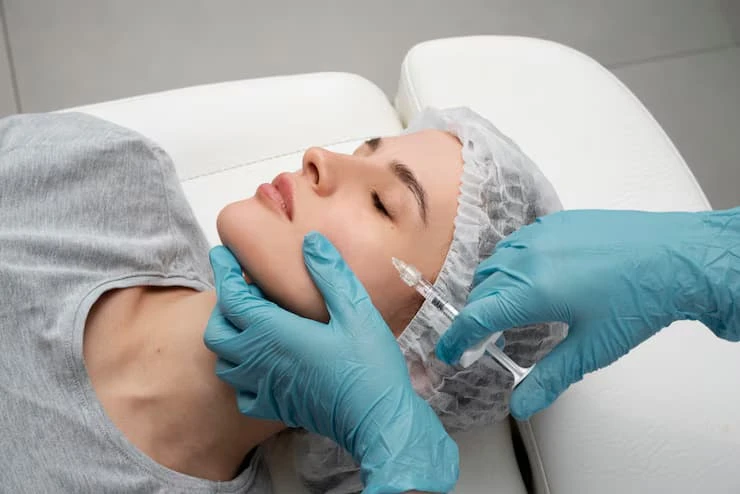
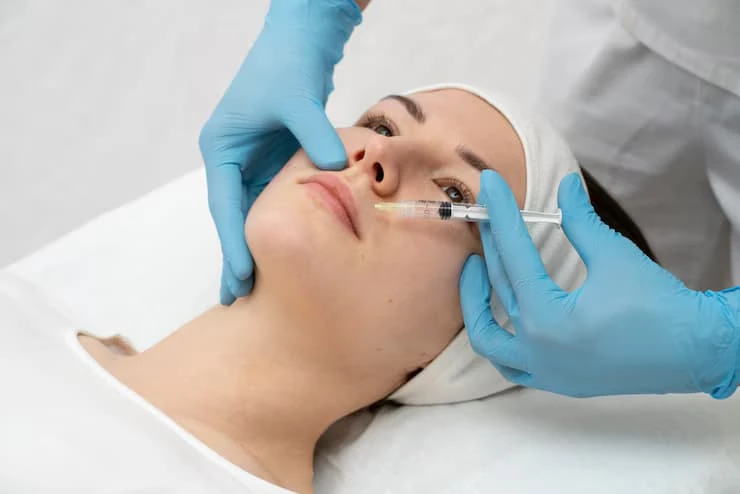
One of the most significant components of hands-on Botox courses is the practical training involved in mastering injection techniques. Students have the opportunity to practice administering Botox under the supervision of experienced instructors. This hands-on experience is invaluable for building confidence and honing skills.
During practical sessions, students learn various injection techniques, including the appropriate depth and angle for injections. They practice on anatomical models or live models to gain real-world experience. Instructors provide guidance and feedback to ensure that students develop proper techniques and avoid common pitfalls.
5. Managing Complications and Side Effects
While Botox is generally considered safe, practitioners must be prepared to manage potential complications and side effects. Hands-on courses often include training on recognizing and addressing adverse reactions, such as bruising, swelling, or asymmetry in results.
Students learn about best practices for minimizing risks and ensuring client safety during and after treatment. Understanding how to respond to complications is essential for maintaining client trust and satisfaction.
6. Post-Treatment Care and Follow-Up
Following the administration of Botox, it is crucial for practitioners to provide clients with post-treatment care instructions. Hands-on courses typically cover the key aspects of aftercare, including what clients can expect after treatment and how to care for the injection sites.
Students learn how to communicate effectively with clients about post-treatment expectations, including potential side effects and the importance of follow-up appointments. This ongoing communication helps clients feel supported and informed throughout their treatment journey.
7. Business and Marketing Skills
In addition to technical skills, hands-on Botox courses often include training in business and marketing strategies for practitioners looking to establish or grow their aesthetics practice. Students learn how to effectively market their services, build a client base, and create a positive brand image.
Courses may cover topics such as social media marketing, client retention strategies, and financial management. Understanding the business side of aesthetics is crucial for long-term success and sustainability in the industry.
The Career Impact of Botox Certification
Completing a hands-on Botox course can have a profound impact on a practitioner’s career. The skills and knowledge gained through training open doors to various opportunities within the aesthetics industry.
1. Expanding Service Offerings
With Botox certification, practitioners can expand their service offerings to include one of the most sought-after treatments in aesthetics. This diversification allows them to attract a broader clientele and cater to individuals seeking non-surgical solutions for aging and enhancement.
2. Enhancing Professional Credibility
Obtaining certification in Botox administration enhances a practitioner’s professional credibility. Clients are more likely to trust and choose qualified providers, particularly in a field where safety and expertise are paramount. Certification serves as a testament to the practitioner’s commitment to quality care.
3. Increased Earning Potential
The demand for Botox treatments translates into significant earning potential for certified practitioners. By offering Botox services, professionals can increase their income through higher service fees and repeat business from satisfied clients. The ability to provide in-demand treatments can lead to a more lucrative career in the aesthetics industry.
4. Networking Opportunities
Engaging in hands-on Botox training often provides opportunities to connect with other professionals in the aesthetics industry. Networking during training sessions can lead to valuable partnerships, mentorships, and collaborations that can enhance career prospects. Building relationships with peers and industry experts can open doors for future opportunities.
5. Continuous Learning and Growth
The aesthetics industry is constantly evolving, with new techniques and products emerging regularly. Hands-on Botox courses often emphasize the importance of continuous learning and professional development. Graduates are encouraged to stay updated with the latest advancements in the field, ensuring that they remain knowledgeable and relevant.
Conclusion
Hands-on Botox courses in Glasgow offer aspiring practitioners a comprehensive and practical approach to mastering one of the most popular treatments in the aesthetics industry. By focusing on essential topics such as facial anatomy, injection techniques, patient consultations, and post-treatment care, these courses equip students with the knowledge and skills necessary to succeed in their careers.
Obtaining Botox certification not only enhances professional credibility but also opens doors to new opportunities for growth and advancement in the beauty and aesthetics sector. For those ready to embark on this rewarding journey, Este Training Academy is here to help. Contact us today to learn more about our hands-on Botox courses and take the first step towards elevating your career in aesthetics!
























Sign in to leave a comment.