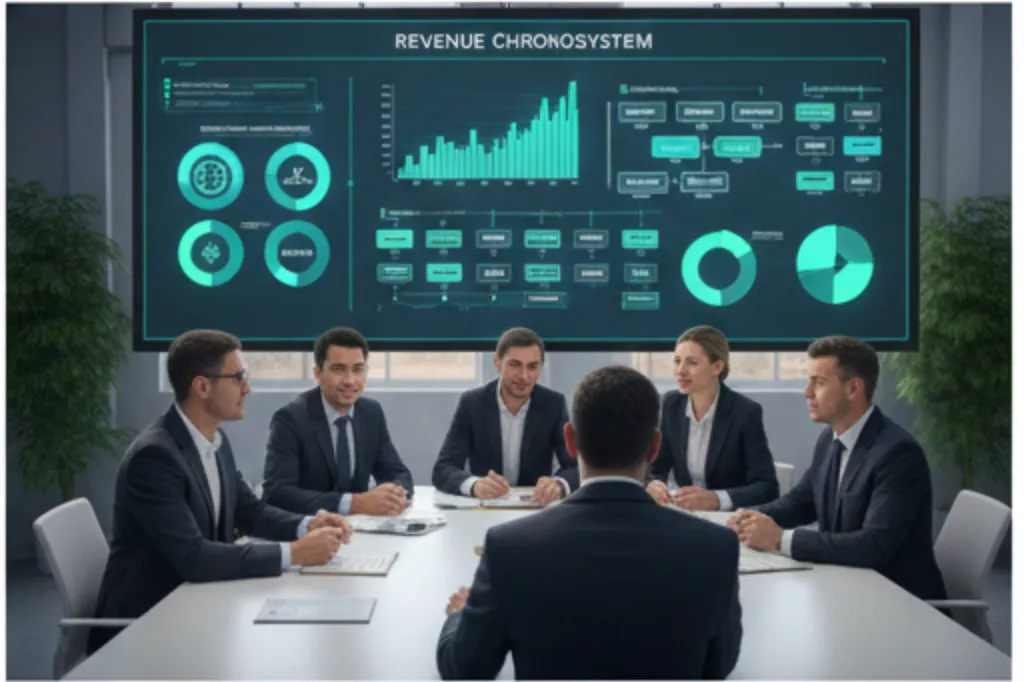

Manufacturers are under constant pressure to improve productivity, control costs, maintain quality and meet customer expectations. Continuous improvement can support all of these goals, but meaningful results require more than a set of recommendations or a one-off training programme. The right consulting partner should understand how manufacturing operations work in practice. They should be able to identify the causes of poor performance, develop realistic solutions and work alongside the internal team to implement those solutions. Choosing a provider of continuous improvement consulting for manufacturing therefore requires careful consideration. The following factors can help manufacturers select a partner capable of delivering practical and measurable improvements.
Look for Hands-On Manufacturing Experience
Manufacturing operations involve practical challenges that are difficult to understand from spreadsheets and presentations alone. Equipment limitations, labour availability, maintenance priorities, product quality and production schedules can all affect performance.
A suitable consulting partner should have direct experience of working in manufacturing environments. Ideally, the consultants assigned to the project will have managed plants, production teams, supply chains or other operational functions.
Choose a Partner That Supports Implementation
Many consulting engagements begin with a detailed assessment and end with a report. Although the recommendations may be useful, the manufacturer is left to manage the implementation internally.
This can create problems when plant leaders are already managing full workloads or when no one has clear responsibility for delivering the proposed changes. As a result, good recommendations may be delayed, applied inconsistently or abandoned altogether.
An effective manufacturing continuous improvement consulting partner should explain how they will support the project after the initial assessment. Their role may include testing solutions, assigning responsibilities, removing barriers, monitoring progress and adjusting the plan when operating conditions change.
Expect a Proper On-Site Assessment
Manufacturing problems are often more complex than they first appear. Low output may seem to be caused by staffing levels, while the real issue could be poor scheduling, unreliable equipment, material shortages or unclear work procedures.
For this reason, a consultant should spend time observing the operation before proposing major changes. They should review production data, walk through the relevant processes and speak with the people responsible for carrying out the work.
Confirm Roles and Accountability
Continuous improvement projects often lose momentum when responsibilities are unclear. Senior leaders may support the initiative, but individual actions can remain unfinished when no one is directly accountable for delivering them. The project should therefore have a defined executive sponsor, internal owner and implementation team. The consultant’s responsibilities must also be clear. Clear accountability is especially important when selecting a continuous improvement consulting partner for manufacturing, because operational change often involves several departments working together.
Conclusion
Choosing the right continuous improvement consulting partner is an important decision for any manufacturer. The best partner will combine practical manufacturing experience with a clear understanding of operational and financial performance. They should take time to understand the plant, tailor the approach to the organisation and remain involved while the agreed changes are implemented. They should also help build internal ownership so that improvements continue after the engagement ends.
Seniors Implementation Consulting reflects this practical, execution-focused model through its emphasis on experienced operators, on-site assessment, measurable benefits and hands-on implementation support. Ultimately, a successful consulting engagement should deliver more than analysis. It should create visible improvements in the operation and leave the manufacturer better prepared to maintain and build on those results.


























Sign in to leave a comment.