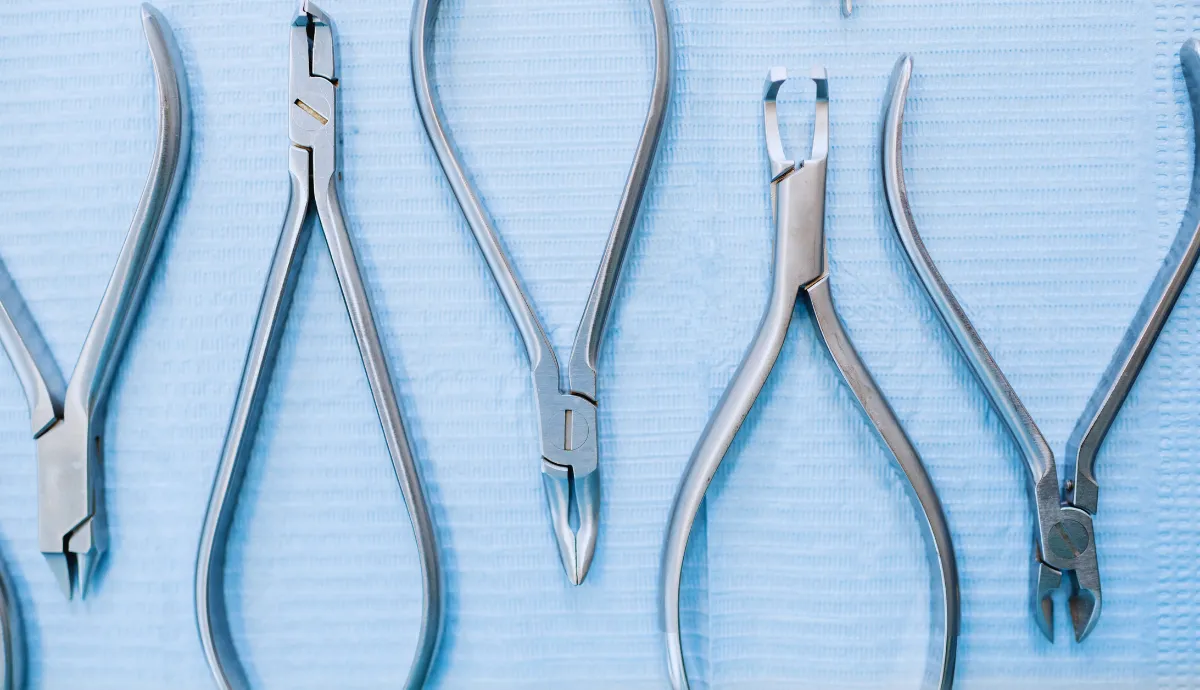

Utility pliers are the workhorses of orthodontic utility pliers practices. These versatile instruments perform countless tasks throughout patient treatment. From placing archwires to removing bands, they prove invaluable every single day. The best utility pliers combine durability with precision. They deliver consistent performance through years of daily use. This guide explores everything you need to know about selecting and using these essential instruments.
What Exactly Are Utility Pliers in Orthodontics?
Utility pliers are multi-purpose orthodontic instruments designed for general tasks. They typically feature serrated beaks that provide exceptional grip on wires and appliances . The design balances strength with intraoral accessibility.
Key design elements include:
- Serrated tips for secure wire gripping
- Ergonomic handles that reduce hand fatigue
- Durable stainless steel construction
- Autoclavable materials for sterilization
Manufacturers offer utility pliers in various configurations. Straight, curved, and offset designs serve different clinical needs . The variety ensures you can access any area of the mouth comfortably.
How Do Utility Pliers Differ From Other Orthodontic Instruments?
Understanding the distinctions helps you choose the right tool.
Versatility is the defining feature. Utility pliers perform multiple tasks that specialized instruments handle individually. One pair can place archwires, grip auxiliaries, and assist with adjustments .
Specialized instruments excel at one task. Bird beak pliers bend wire. Distal end cutters cut wire. Utility pliers combine gripping, placing, and adjusting functions in one instrument .
The serrated beak provides superior control. Unlike smooth-beaked pliers, utility pliers grip wires firmly without slipping . This reduces the risk of wire damage during procedures.
Why Quality Matters for Utility Pliers
Quality instruments deliver measurable clinical advantages.
Premium materials ensure longevity. High-grade surgical stainless steel resists corrosion through repeated sterilization cycles . Budget alternatives often use inferior steel that pits and stains over time.
Precision serrations provide reliable grip. High-quality utility pliers feature carefully machined serrations that mate perfectly . This creates consistent, secure engagement with wires and appliances.
Ergonomic design reduces fatigue. Extended procedures require comfortable handling. Quality manufacturers design handles that fit naturally in the hand . This reduces strain during long clinical sessions.
What Are the Common Types of Utility Pliers?
Different clinical situations call for different designs.
Weingart Utility Pliers
Weingart pliers are perhaps the most recognized utility plier design. They feature a tapered 32-degree angular design that provides excellent access . The serrated beaks securely grip archwires for placement and removal.
Popular variations include:
- Slim Weingart Pliers – narrow tips for tight spaces
- Lingual Weingart Pliers – angled for lingual access
- Ultra Slim Weingart Pliers – maximum access for posterior regions
Howe Utility Pliers
Howe style pliers feature straight, serrated tips . They excel at gripping wires and pins. The straightforward design provides reliable performance for routine tasks.
How Utility Pliers
How pliers come in straight and offset designs . Curved beak versions offer enhanced visibility during intricate procedures . The fine serrations create exceptional grip on small wires.
How to Choose Utility Pliers for Your Practice
Selection requires careful consideration of your clinical needs.
Evaluate your typical procedures. Do you mostly place archwires? Remove bands? Grip auxiliaries? Your most common tasks determine the ideal design.
Consider intraoral access needs. Posterior work demands angled or offset designs . Anterior work may suit straight designs. Having multiple types expands your procedural options.
Test handle comfort. Extended use demands comfortable instruments. Quality suppliers offer handles that fit various hand sizes naturally.
Verify sterilization compatibility. All quality utility pliers are fully autoclavable . Confirm the instrument can withstand your practice's sterilization protocols.
Common Clinical Applications for Utility Pliers
These instruments serve numerous clinical needs.
Archwire placement and removal. Secure grip ensures precise engagement with brackets and tubes . This fundamental task occurs during nearly every patient visit.
Gripping auxiliaries. Springs, hooks, and other attachments require secure handling. Utility pliers provide the necessary grip without damaging delicate components.
General adjustments. Small bends and contours can be made efficiently. The versatile design eliminates frequent instrument changes.
Band and bracket assistance. Serrated tips help seat bands and position brackets. The grip prevents slipping during placement.
How to Maintain Your Utility Pliers
Proper care extends instrument lifespan significantly.
Clean immediately after use. Debris can corrode surfaces if left to dry. Use appropriate instrument cleaning solutions.
Lubricate the joint regularly. Smooth movement maintains control and precision. Medical-grade lubricants protect without compromising sterilization.
Inspect serrations frequently. Worn serrations reduce grip and can slip during procedures. Replace instruments showing significant wear.
Follow sterilization guidelines. Quality instruments withstand standard autoclave cycles . Follow manufacturer recommendations for optimal results.
Testimonials from Orthodontic Professionals
"Our practice relies on Weingart utility pliers for every archwire change. The serrated tips grip securely without damaging wires." – Dr. Amanda Foster, Orthodontist, Florida
"The ergonomic handle design reduces hand fatigue during busy clinic days. My team appreciates the comfortable grip." – Dr. Robert Chen, Orthodontic Group, California
"We keep multiple utility plier types in every operatory. Having the right access angle makes procedures much more efficient." – Dr. Sarah Mitchell, Orthodontist, New York
"Slim Weingart pliers have transformed our posterior access. We can reach tight spaces that standard designs can't access." – Dr. James Patel, Orthodontic Practice, Texas
Sourcing Quality Utility Pliers for Your Practice
Finding reliable suppliers matters for consistent quality.
Check manufacturing standards. Look for surgical-grade stainless steel and precision manufacturing . Quality materials and construction ensure long-term performance.
Verify quality certifications. FDA and ISO certifications demonstrate commitment to quality standards. MedKraft holds these essential certifications.
Consider shipping reliability. US-based inventory ensures rapid fulfillment. European distribution supports efficient supply for European practices.
Evaluate total value. Initial price matters, but long-term value is more important. Quality instruments last longer and perform better over time.
Frequently Asked Questions
How do I know when to replace utility pliers?
Replace utility pliers when you notice wire slipping during gripping, visible wear on serrations, or misalignment of the beaks. Regular inspection helps identify issues before they affect clinical outcomes.
What wire sizes can utility pliers handle?
Utility pliers typically handle a broad range of wire gauges, from fine ligature wires to heavy rectangular archwires up to .021" x .025" . Verify specifications for your specific model.
Can utility pliers be sharpened or repaired?
Serrated beaks cannot be effectively sharpened. Worn serrations indicate it's time for replacement. Quality manufacturers offer warranties on manufacturing defects.
Are utility pliers autoclavable?
Yes, quality utility pliers are fully autoclavable at standard sterilization temperatures . Autoclaving maintains hygiene without compromising instrument performance.
Why choose serrated over smooth utility pliers?
Serrated tips provide superior grip on wires and appliances . Smooth tips slip more easily, increasing the risk of wire damage or procedural errors.
What should I look for when buying utility pliers?
Look for surgical-grade stainless steel, precision serrations, ergonomic design, and autoclave compatibility. Order from reputable suppliers with quality certifications.
About MedKraft Orthodontics
MedKraft Orthodontics has delivered premium orthodontic instruments since 1985. Our Florida headquarters and FDA/ISO certifications reflect our commitment to exceptional quality. We combine advanced manufacturing technology with rigorous quality control.
Order Now on our website to experience the MedKraft difference. Our US-based inventory and European distribution ensure you get quality instruments when you need them.
























Sign in to leave a comment.