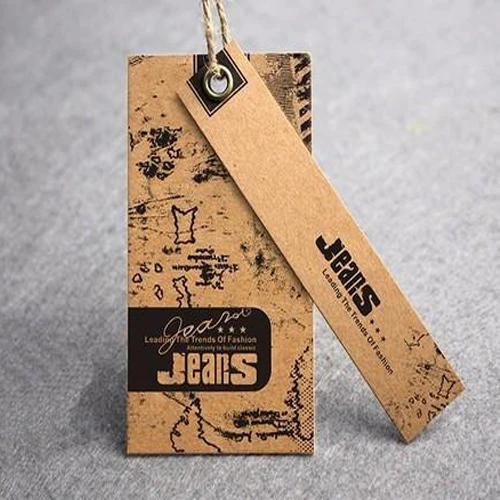
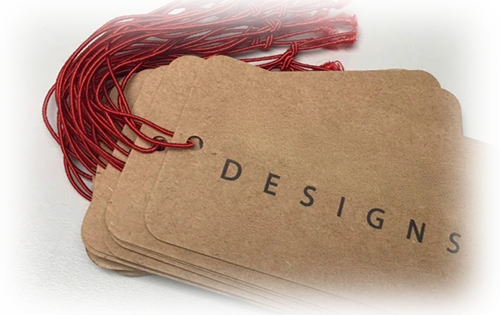
In the crowded and competitive world of retail, it's easy to assume that the product alone is what makes or breaks the sale. But experienced brand strategists and sharp-eyed designers know the truth: customers often judge a product long before they’ve held it, tried it, or even fully examined it. First impressions are everything—and that impression usually comes from the presentation. One small but powerful element of that presentation is the hang tag. This tiny, often-overlooked component can have a massive influence on how a product is perceived. And when designed intentionally, hang tags can be so good, customers simply can’t ignore them.
A hang tag is more than just a place to stick a price or barcode. It’s a physical invitation into your brand’s story. It’s the first thing customers touch when they reach for your product. That touch matters. It’s the moment curiosity meets experience. That simple tag hanging by a string becomes the bridge between the product and the person, and if you design it right, that bridge leads straight to a sale.
So, what makes a hang tag so good that people not only notice it—but remember it?
It starts with purpose. Most hang tags are treated like an afterthought, tossed on at the end of production. But the best hang tags are part of the product experience from the beginning. They’re designed not just to inform, but to connect. When a customer picks up your product, the tag should immediately communicate who you are, what you stand for, and why they should care. It should spark interest, create a mood, or answer a question the customer didn’t even know they had. In a sense, your hang tag isn’t a label—it’s a conversation starter.
The emotional power of design plays a huge role here. The colors you choose, the textures of the paper, the shape of the tag, the typeface—all of it contributes to how your product feels in the customer's hands. A tag made of thick, textured cardstock with elegant embossed lettering creates a completely different impression than a glossy, mass-produced tag. One suggests care, craftsmanship, and value. The other may suggest convenience or affordability—but perhaps at the expense of uniqueness or quality. There’s no right or wrong choice, but there is a right match for your brand.
What often separates forgettable hang tags from the ones customers rave about is storytelling. People buy stories as much as they buy products. A short line of text explaining the origin of a handmade item, a note from the founder, or even a poetic phrase that captures your brand’s philosophy can leave a lasting impression. These human elements elevate the shopping experience from transactional to emotional. And emotional connection is what turns casual buyers into loyal fans. Another secret ingredient in making Hang Tags irresistible is surprise. Humans love novelty—we’re wired for it. A hang tag that unfolds like a mini-booklet, reveals a hidden message, or includes a QR code leading to an exclusive video feels like a discovery. It turns a routine interaction into a small moment of delight. That moment may be short, but it stays in the customer’s mind. And in an age where brands compete for attention every second, that kind of memorability is gold.
Consistency is also key. Your hang tag should not feel like a separate entity—it should feel like a natural extension of your product and your brand. If your brand is bold and playful, your hang tag should reflect that with quirky language or unexpected visuals. If you sell eco-conscious home goods, your hang tag should use recycled materials and communicate your sustainability values clearly. When customers sense that every detail has been considered, they develop trust. And trust, once earned, leads directly to increased sales.
Functionality also deserves attention. A hang tag should not just look good—it should be useful. It should be easy to read, easy to handle, and easy to remove without damaging the product. If it folds, the fold should be clean and intuitive. If it includes care instructions or product details, they should be laid out clearly and attractively. And if you’re including tech like QR codes or AR features, make sure they work smoothly. A beautiful tag that’s confusing or frustrating undermines the entire experience.
Today’s consumers are not just buying products—they’re buying experiences. In many ways, the hang tag is your brand’s handshake. It's the first physical interaction with the customer, and it tells them whether or not they should keep listening. If it feels generic, rushed, or uninspired, they’ll assume your product is too. But if the hang tag captures their attention, stirs emotion, or surprises them in some small but memorable way, they’re far more likely to form a positive association with your brand—and buy.
There’s also an underappreciated marketing ripple effect to great hang tags. Customers often share standout packaging on social media. A hang tag that’s clever, beautiful, or meaningful can turn your customer into a marketer without you even asking. Whether it’s through an unboxing video or a quick photo on Instagram, your tag has the chance to travel far beyond the sales floor. And in today’s digital marketplace, where brand exposure is everything, that kind of visibility can be priceless.
So if you’ve been overlooking your hang tags—if they’ve become just another box to check off in your production process—it’s time to rethink their role. A well-designed hang tag isn’t just decoration. It’s a sales tool, a storytelling medium, and a customer experience enhancer all in one. It may only take up a few square inches, but its impact can be enormous.
Customers can’t ignore what stands out, what feels different, what feels made for them. Create a Custom Hang Tags that does all of that, and you’ll find that your product becomes more than something people buy—it becomes something they remember. And in the end, that’s the difference between being noticed… and being chosen.























Sign in to leave a comment.