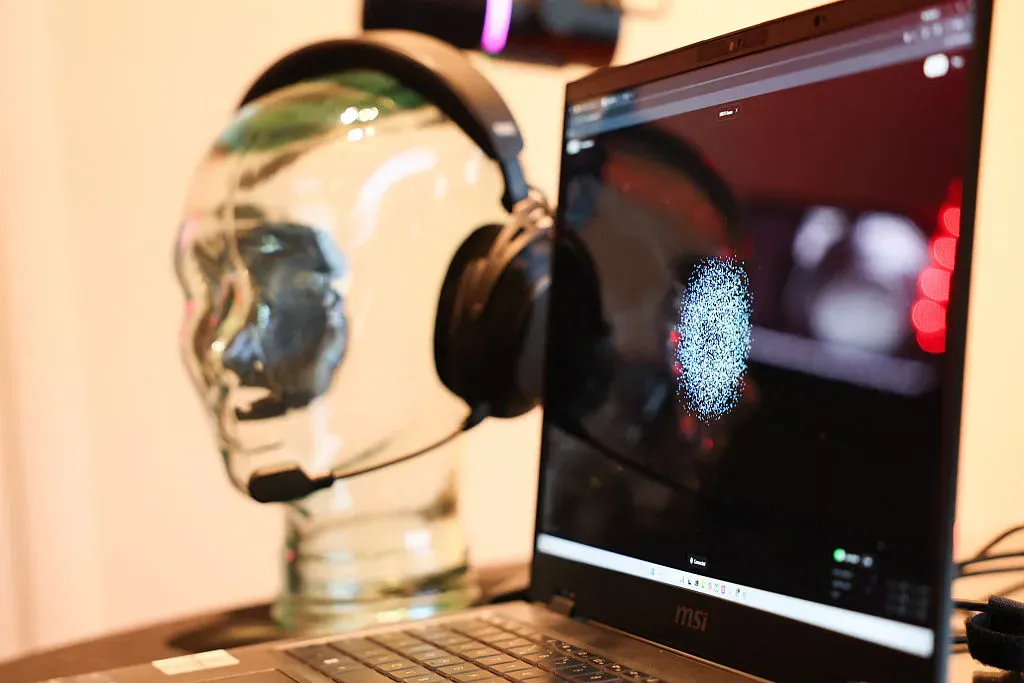

Brain-computer interface (BCI) technology is no longer limited to science fiction or high-risk medical experiments. In 2026, startups like Neurable are pushing this groundbreaking innovation into the consumer market, aiming to reshape how people interact with wearable technology.
Unlike invasive BCI companies that require surgical implants, Neurable focuses on non-invasive solutions using EEG sensors, artificial intelligence, and advanced neural signal processing. This safer approach allows users to monitor brain activity through everyday wearable products such as headphones, smart glasses, and headbands without undergoing medical procedures.
Making Brain Technology Accessible for Everyday Consumers
Neurable’s platform is designed to measure cognitive functions such as focus, mental fatigue, attention span, and productivity in real time. This innovation creates exciting possibilities across multiple industries, including:
- Personal health optimization
- Workplace productivity enhancement
- Gaming performance
- Sports and athletic training
- Mental wellness tracking
As consumer demand for personalized performance tools rises, Neurable is positioning itself as a leader in scalable neurotechnology.
Strategic Growth Through Licensing and Partnerships
After securing $35 million in Series A funding, Neurable has expanded beyond direct product development. The company is now licensing its BCI platform to wearable manufacturers, allowing broader adoption across major consumer electronics categories.
Its partnerships with companies like HyperX, HP’s gaming division, and iMotions demonstrate strong commercial demand for practical neurotechnology solutions. These collaborations signal that brain-monitoring wearables could soon become mainstream.
Privacy and Security Remain Critical
While the promise of BCI technology is significant, consumer trust depends heavily on data protection. Brain data is among the most sensitive personal information users can generate.
Neurable addresses this concern by prioritizing:
- HIPAA-level security protocols
- Strong data encryption
- User-controlled consent systems
- Transparent privacy practices
This commitment to security may prove essential in gaining widespread consumer adoption.
A New Era for Wearable Technology
Neurable’s commercialization strategy reflects a broader startup trend where AI-powered health and performance technologies are evolving into sustainable business models. If successful, the company could help make cognitive tracking as common as heart rate monitoring.
As neurotechnology becomes more practical, affordable, and secure, Neurable may play a pivotal role in defining the future of consumer wearables.
Final Thoughts
Neurable’s innovative approach to non-invasive brain-computer interfaces has the potential to revolutionize wearable technology in 2026 and beyond. By combining AI, neuroscience, and consumer electronics, the startup is building a future where wearable devices not only track physical health but also optimize mental performance.
For entrepreneurs, investors, and tech enthusiasts, Neurable represents one of the most promising examples of how startup innovation can transform emerging technology into everyday solutions.
Stay informed with the latest startup technology trends, AI innovations, and business success stories at Jeffkom Story.


























Sign in to leave a comment.