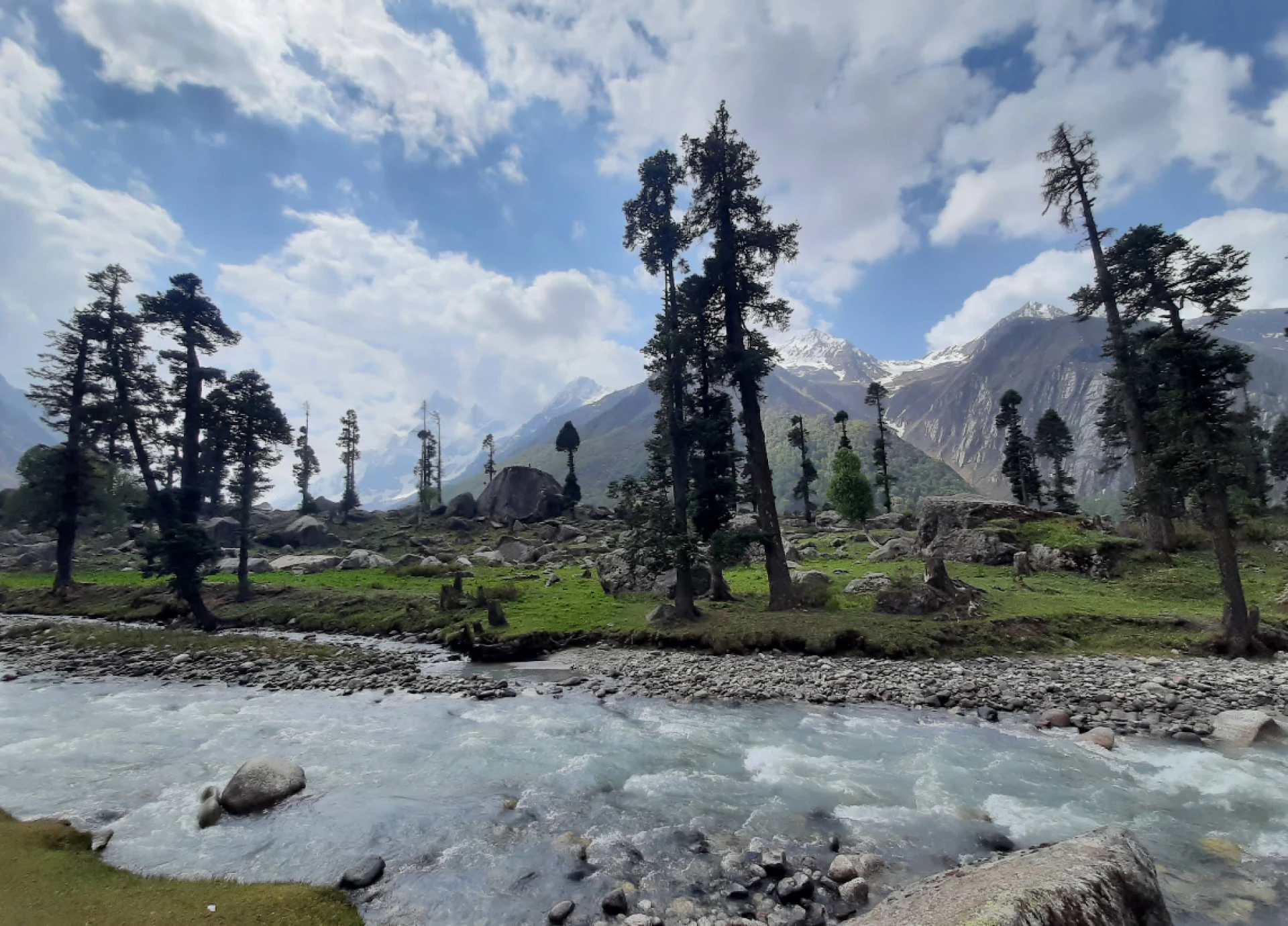

The Har Ki Dun Trek is one of the most loved Himalayan treks in Uttarakhand. Known as the Valley of Gods, this trail offers dense forests, snow-covered peaks, old villages, and a calm river flowing beside the path.
If you are planning this trek, the most important question is simple what is the best time to do Har Ki Dun Trek?
The answer depends on what kind of experience you want: snow, greenery, clear views, or comfortable weather.
This guide covers everything you need to know, including seasons, weather conditions, and the best months to visit, backed by real trekking data and trusted sources.
Quick Facts About Har Ki Dun Trek
- Location: Uttarkashi district, Uttarakhand
- Altitude: Around 3,566 meters (11,700 ft)
- Trek Distance: 34 km (round trip)
- Difficulty Level: Easy to Moderate
- Trek Duration: 6-7 days
- Base Village: Sankri
The Har ki dun trek lies inside Govind Pashu Vihar National Park, which is managed by the Uttarakhand Forest Department. This keeps the region well-protected and naturally rich.
Why Choosing the Right Time Matters
Har Ki Dun is not a year-round trek. Weather changes quickly in the Himalayas, and each season offers a different experience.
Choosing the wrong time can mean:
- Heavy snowfall blocking trails
- Slippery paths during monsoon
- Extreme cold in winter
- Limited visibility
Choosing the right time means:
- Safe trail conditions
- Clear mountain views
- Pleasant trekking temperature
- Better photography and overall experience
Let’s break it down season by season.
Best Time to Visit Har Ki Dun Trek (Overall)
The best time to do the Har Ki Dun Trek is from March to June and from September to November.
These months offer:
- Stable weather
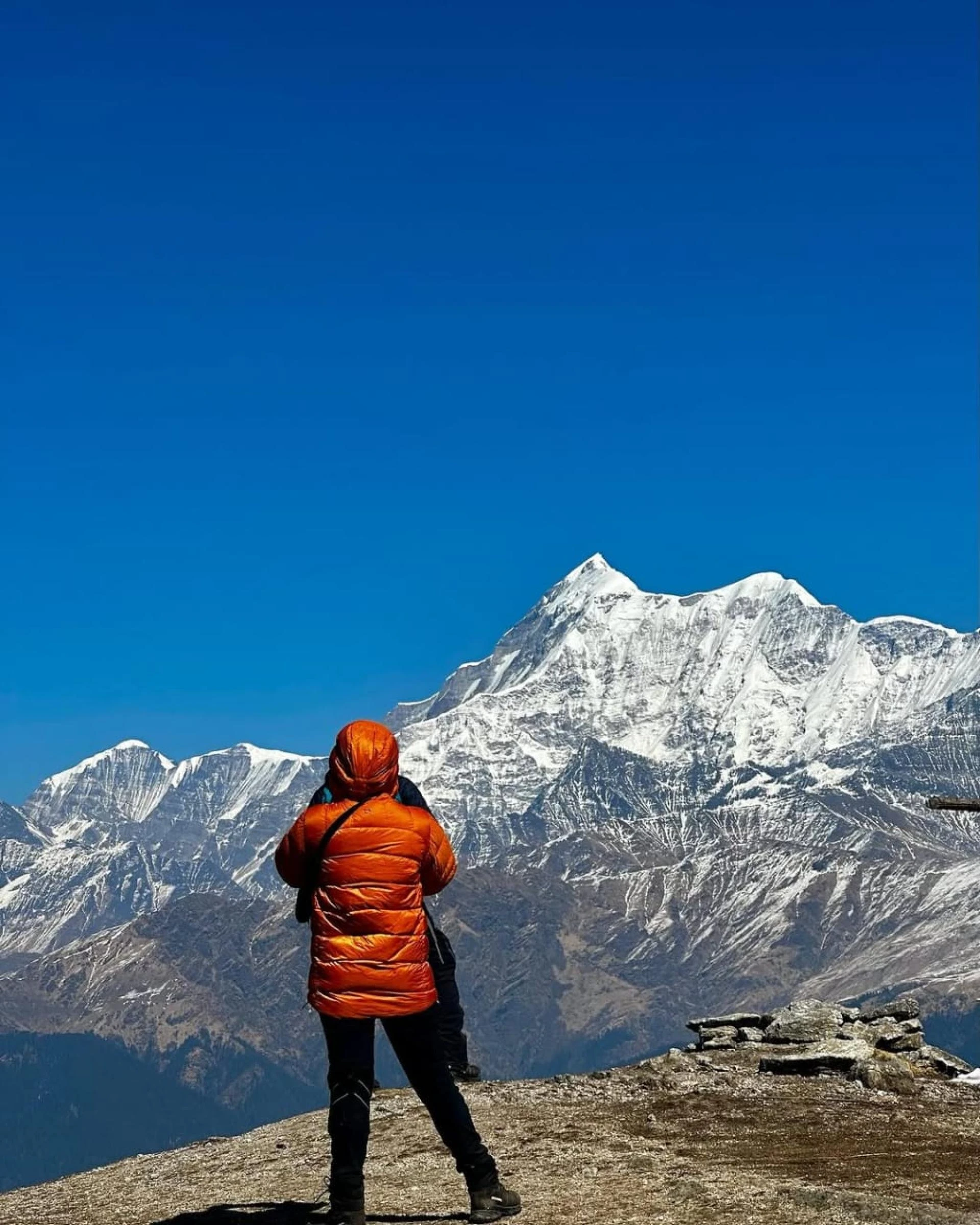
- Clear views of Swargarohini peaks
- Comfortable temperatures
- Safe trekking conditions
Most trekkers prefer these windows, and they are also recommended by certified trek operators and Uttarakhand tourism guidelines.
Spring Season (March to April) - Best for Snow Lovers
Spring is one of the most beautiful times to trek Har Ki Dun.
Weather & Trail Conditions
- Temperature: 5°C to 15°C
- Snow remains on higher sections
- Days are pleasant, nights are cold
- Forests start turning green
Why Choose Spring?
- Snow-covered trails without extreme cold
- Blooming rhododendrons in April
- Clear mountain views
- Ideal for photography
This season suits trekkers who want a mix of snow and greenery without harsh winter conditions.
Tip: Snow conditions depend on winter snowfall. Always check with local trek operators before planning.
Summer Season (May to June) - Most Popular Time
This is the peak season for Har Ki Dun Trek.
Weather & Trail Conditions
- Temperature: 10°C to 20°C
- Clear skies and long daylight hours
- Snow melts completely by late May
- River streams flow beautifully
Why Summer Is Ideal
- Best time for beginners
- Comfortable walking conditions
- Safe camping weather
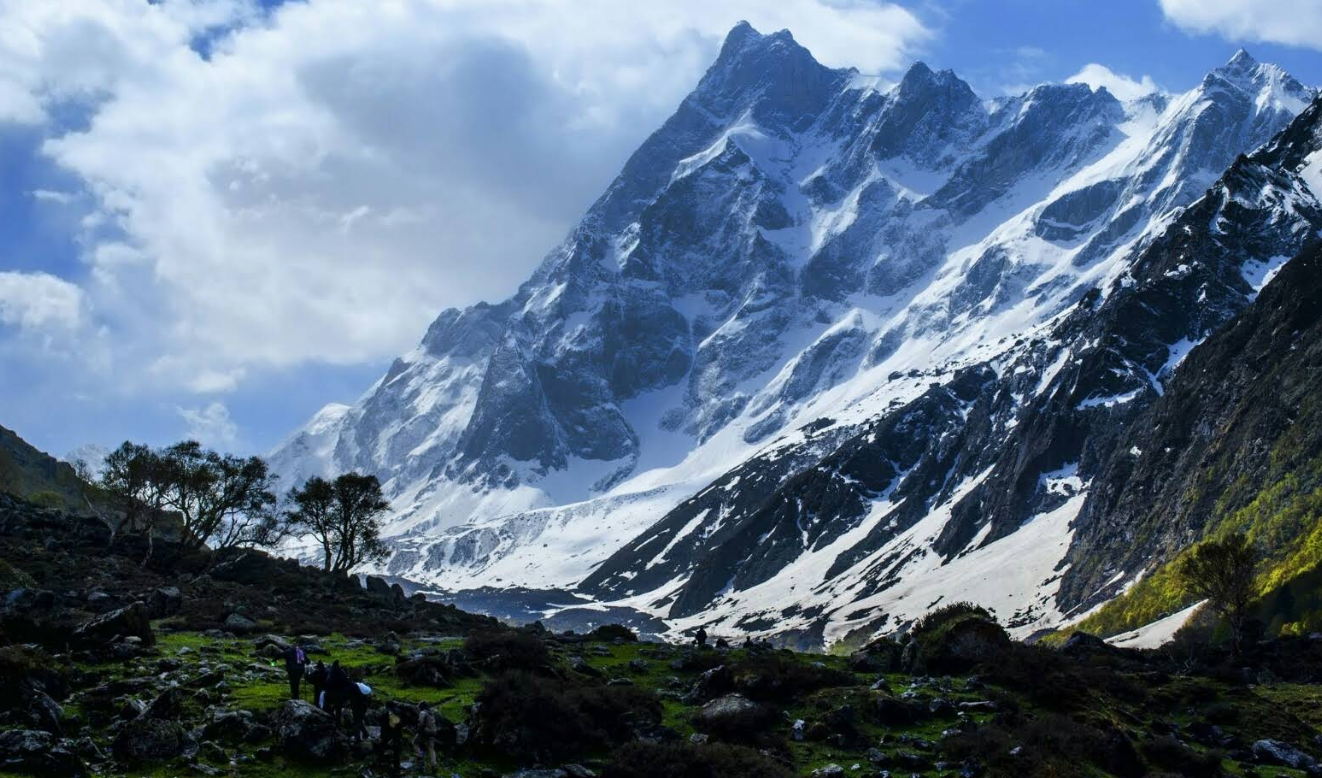
- Great views of Swargarohini, Bandarpoonch, and Black Peak
Families and first-time trekkers prefer this season because the weather stays stable and predictable.
Monsoon Season (July to August) – Not Recommended
This period is not suitable for Har Ki Dun Trek.
Problems During Monsoon
- Heavy rainfall
- Slippery trails
- Landslides near Sankri
- Leeches in forest areas
- Poor visibility
The Forest Department often restricts movement during peak monsoon for safety reasons.
Avoid trekking during this time unless you are an experienced trekker with local support.
Autumn Season (September to November) - Best Overall Time
Autumn is considered the best time for Har Ki Dun Trek by most trekking experts.
Weather & Trail Conditions
- Temperature: 5°C to 15°C
- Clear blue skies
- Crisp mountain views
- Stable weather
- Dry trails
Why Autumn Is Perfect
- Best visibility of snow peaks
- Golden forest landscapes
- Comfortable trekking climate
- Ideal for photography and videography
Post- monsoon air remains clean, making mountain views sharp and clear.
Winter Season (December to February) – For Snow Lovers Only
Har Ki Dun transforms into a snow wonderland in winter.
Conditions
- Heavy snowfall
- Temperature drops to -10°C
- Limited access to trails
- Requires winter trekking skills
Who Should Go in Winter?
- Experienced trekkers
- Those comfortable with snow walking
- People with proper winter gear
Many parts of the trail remain closed due to safety concerns, so always confirm permits before planning.
Best Month Summary Table
| Month | Trek Condition | Recommended |
|---|---|---|
| March | Snow + cold | Yes |
| April | Pleasant | Yes |
| May | Best | Yes |
| June | Warm & clear | Yes |
| July | Heavy rain | No |
| August | Landslides | No |
| September | Best | Yes |
| October | Clear & cold | Yes |
| November | Cold | Limited |
| Dec-Feb | Snow | Experts only |
Why Har Ki Dun Trek Is Worth Doing
- One of the most scenic valley treks in India
- Ancient villages like Osla and Seema
- Rich Garhwali culture
- Snow peaks visible throughout the trail
- Well-marked and beginner friendly route
- Ideal 34 km trek length for a week long adventure
The trek is also historically important and mentioned in local legends connected to the Mahabharata.
Final Verdict: When Should You Go?
If you want the best overall experience, plan your Har Ki Dun Trek in:
April-June for comfort and greenery
September-October for clear views and perfect weather
Avoid monsoon months unless you are an expert trekker.























Sign in to leave a comment.