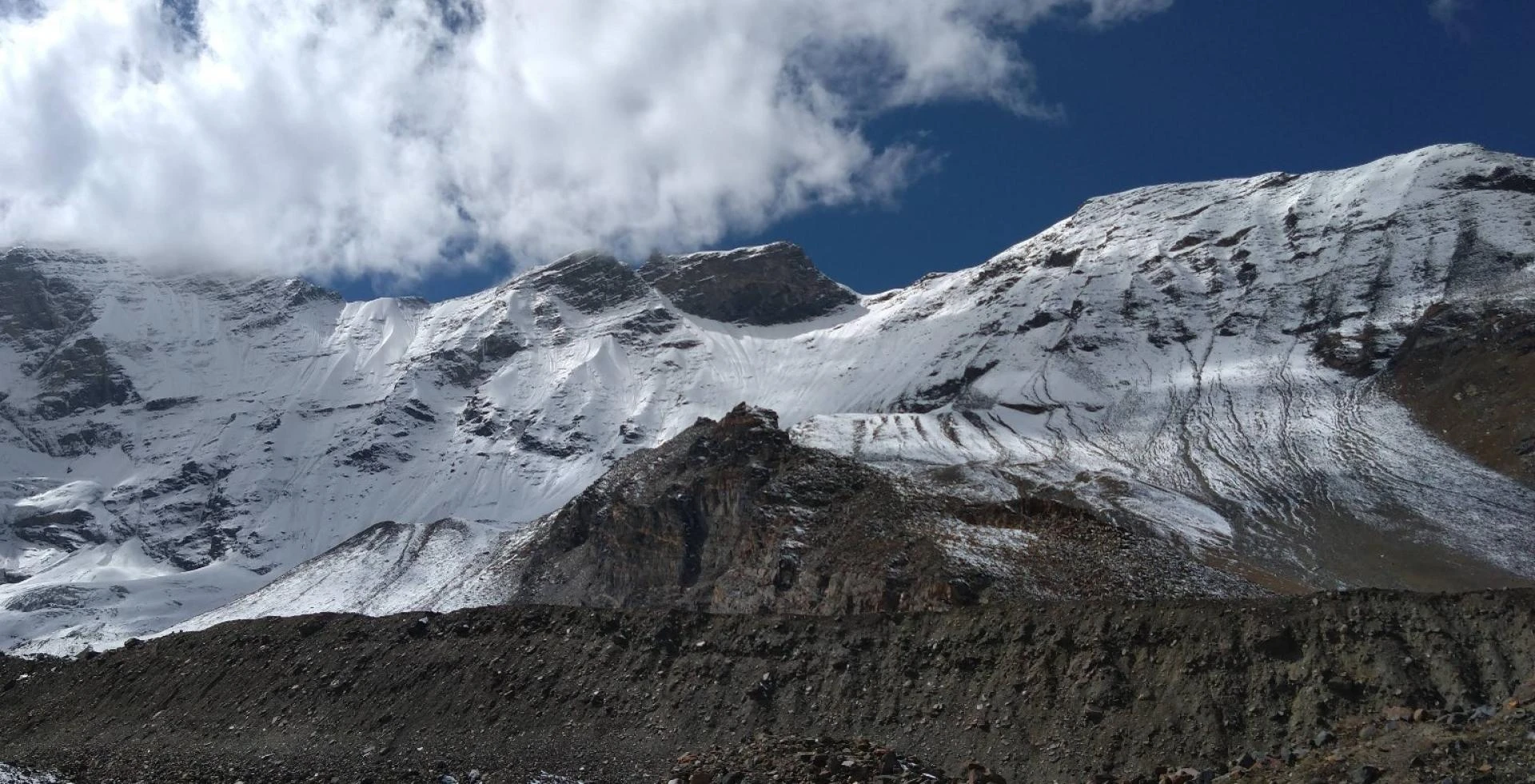

The Kedartal trek is not a casual weekend walk. It is a serious Himalayan adventure that rewards effort with raw beauty. Located deep in the Garhwal Himalayas of Uttarakhand, Kedartal is a high-altitude glacial lake sitting quietly at the base of Thalay Sagar and Bhrigupanth peaks.
If you are looking for a challenging trek that tests stamina, patience, and mountain sense, this trek fits perfectly. This guide explains everything clearly route, difficulty, best time, and practical facts so you know exactly what you are signing up for.
What Is Kedartal?
Kedartal, also called Shiva’s Lake, lies at an altitude of around 4,750 meters (15,580 ft). The lake forms from the Kedar Glacier, one of the major glaciers in the Gangotri region.
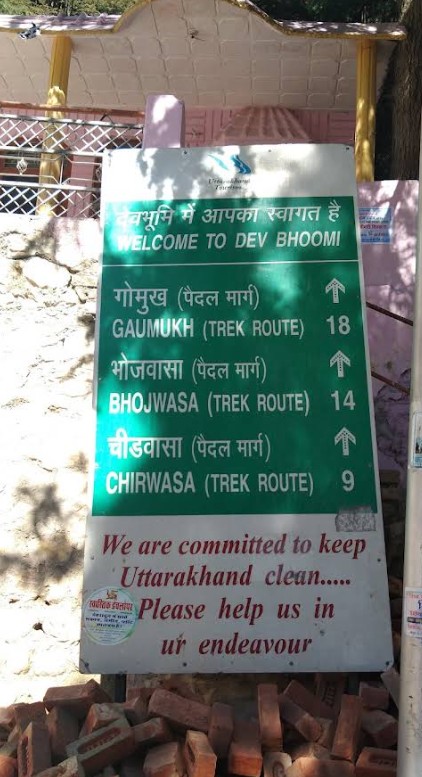
The trek starts near Gangotri, a well-known pilgrimage town. However, do not let the religious vibe fool you. Once you leave the trailhead, the landscape turns wild, rocky, and demanding very quickly.
This trek remains less crowded because it requires good fitness, prior trekking experience, and respect for mountain terrain.

Why Kedartal Trek Is Special
The kedartal trek stands out for simple but powerful reasons:
- Massive granite walls of Thalay Sagar (6,904 m)
- Continuous views of Bhrigupanth, Jogin peaks, and Meru
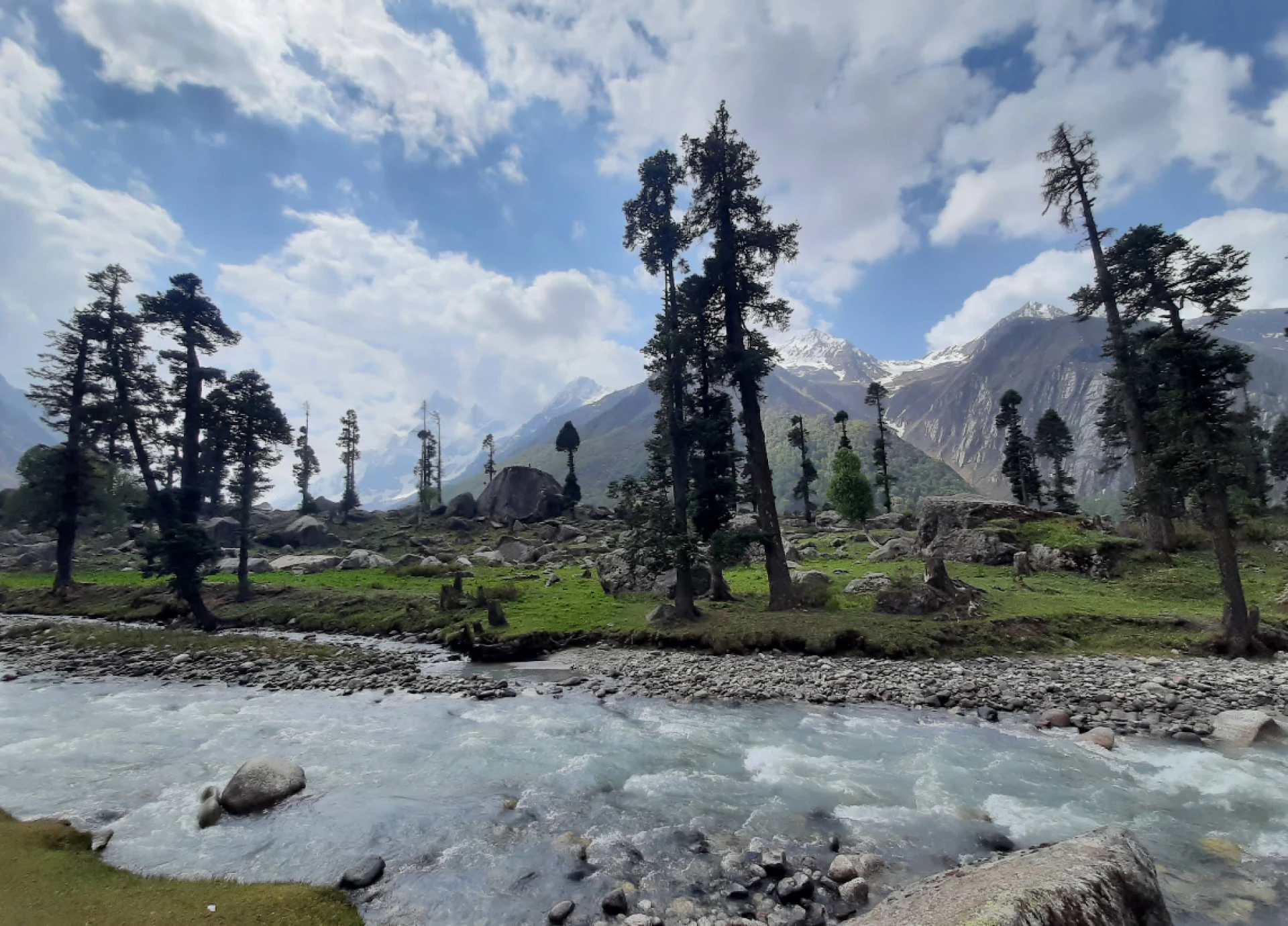
- A pristine high altitude glacial lake with no settlements nearby
- Technical terrain with boulders, scree, and narrow trails
There are no fancy meadows or easy forest walks here. The trek keeps things real and raw just rock, ice, and sky.
Kedartal Trek Difficulty Level
Let’s be clear: Kedartal is a difficult trek.
This is not marketing drama. The difficulty comes from multiple real factors:
1. High Altitude
You gain altitude fast, which increases the risk of AMS (Acute Mountain Sickness) if acclimatization is poor.
2. Rocky and Technical Terrain
Large boulders, loose stones, and exposed sections require careful footing. Balance matters more than speed.
3. Long Trekking Days
Some days involve 7-8 hours of continuous walking with steep ascents.
4. Limited Exit Options
Once you move beyond Bhoj Kharak, turning back becomes time consuming. This demands mental strength.
Who should attempt it?
Only trekkers with prior high-altitude experience like Gaumukh Tapovan, Kalindi Khal base sections, or similar Grade-D treks.
Best Time to Do Kedartal Trek
Timing is critical for the kedartal trek because weather controls safety here.
Best Season:
May to June and September to mid-October
Why These Months Work:
- Stable weather windows
- Clear mountain views
- Manageable snow conditions
- Reduced avalanche risk compared to early spring
Avoid:
- Monsoon (July–August): Landslides and slippery rocks
- Winter (Nov–April): Heavy snow blocks routes completely
According to the India Meteorological Department (IMD) and regional forest advisories, these windows provide the safest conditions for high-altitude trekking in Gangotri.
Kedartal Trek Route Explained
Here is the standard and approved route used by certified trekking operators:
Day 1: Dehradun to Gangotri
A long but scenic drive via Uttarkashi. This day helps with basic altitude acclimatization.
Day 2: Gangotri to Bhoj Kharak
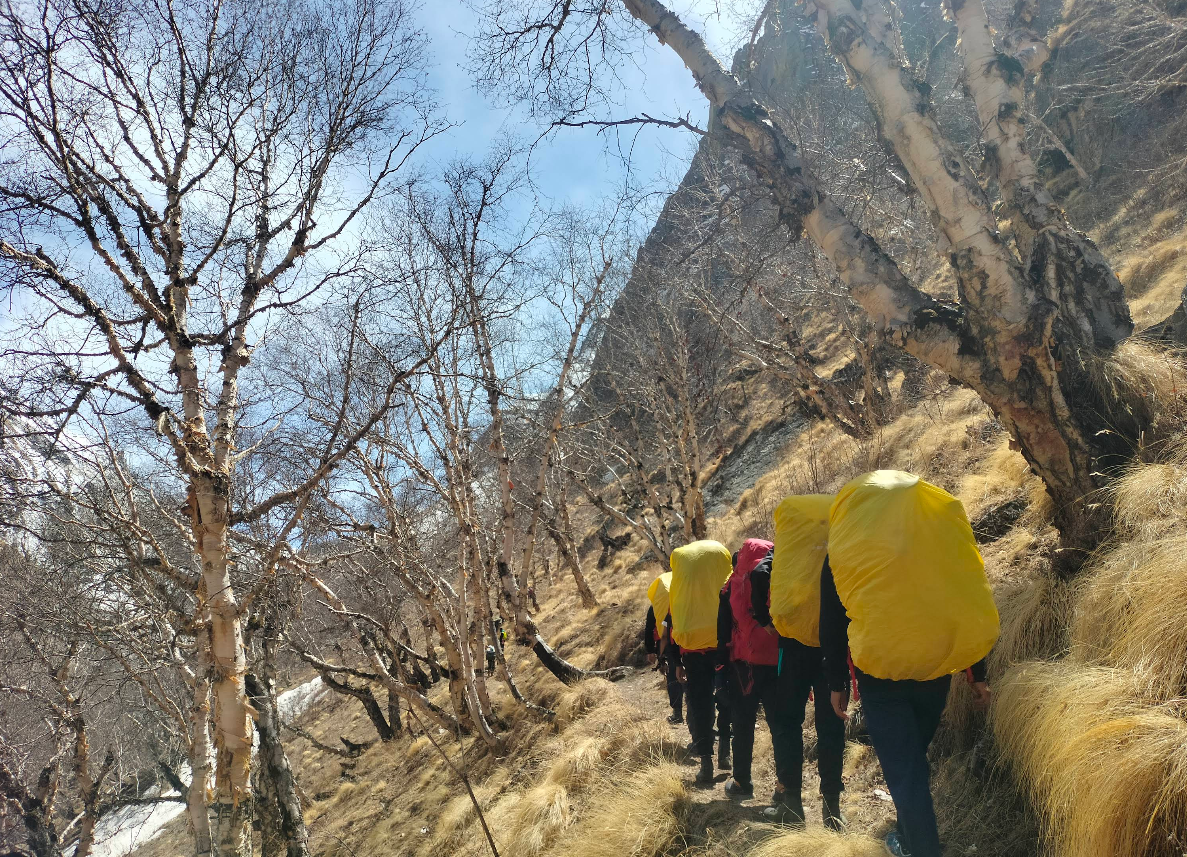
The trek begins near Gangotri. The trail climbs steeply over rocky paths with the Kedar Ganga flowing below.
Day 3: Bhoj Kharak to Kedar Kharak
The terrain becomes rougher. Expect boulder hopping and constant elevation gain.
Day 4: Kedar Kharak to Kedartal and back
This is the toughest day. The lake appears suddenly after a hard climb calm, silent, and surrounded by towering peaks.
Day 5-6: Return to Gangotri and Dehradun
The total trekking distance stays around 24–26 km, but distance here feels longer due to terrain.
Permits and Regulations
The kedartal trek falls under the Gangotri National Park zone.
You need:
- Forest Permit
- Valid ID Proof
- Certified Local Guide
Fitness and Preparation Tips
You cannot “manage somehow” on this trek. Preparation matters.
Required Fitness Level:
- Ability to walk 10-12 km with a loaded backpack
- Strong legs for steep ascents
- Good core balance for rocky sections
Training Suggestions:
- Stair climbing
- Long-distance walking
- Basic strength training
- Prior acclimatization trek above 4,000 m
Think of fitness as insurance. You may not need it, but when you do, it saves the trip.
Things to Pack for Kedartal Trek
Packing light but smart is crucial.
Essentials:
- Sturdy high-ankle trekking shoes
- Down jacket and thermal layers
- Trekking poles
- UV sunglasses and sunscreen
- Basic medical kit (especially AMS medication)
Avoid unnecessary gadgets. Batteries die faster at altitude, but common sense lasts longer.
Safety and Environmental Responsibility
The Kedartal region is fragile. There are no villages, shops, or rescue points beyond Gangotri.
Follow Leave No Trace principles:
- Carry back all waste
- Avoid loud noise near camps
- Do not disturb wildlife or glaciers
Responsible trekking ensures this route stays open for future trekkers.
Final Thoughts
The Kedartal Trek is not about ticking a box. It is about earning the view. The trail demand effort, patience, and respect for the mountains. In return, it offers silence, scale, and a sense of achievement that easier treks cannot match. If you are ready for a real Himalayan challenge and not just good photos kedartal will not disappoint.





















Sign in to leave a comment.