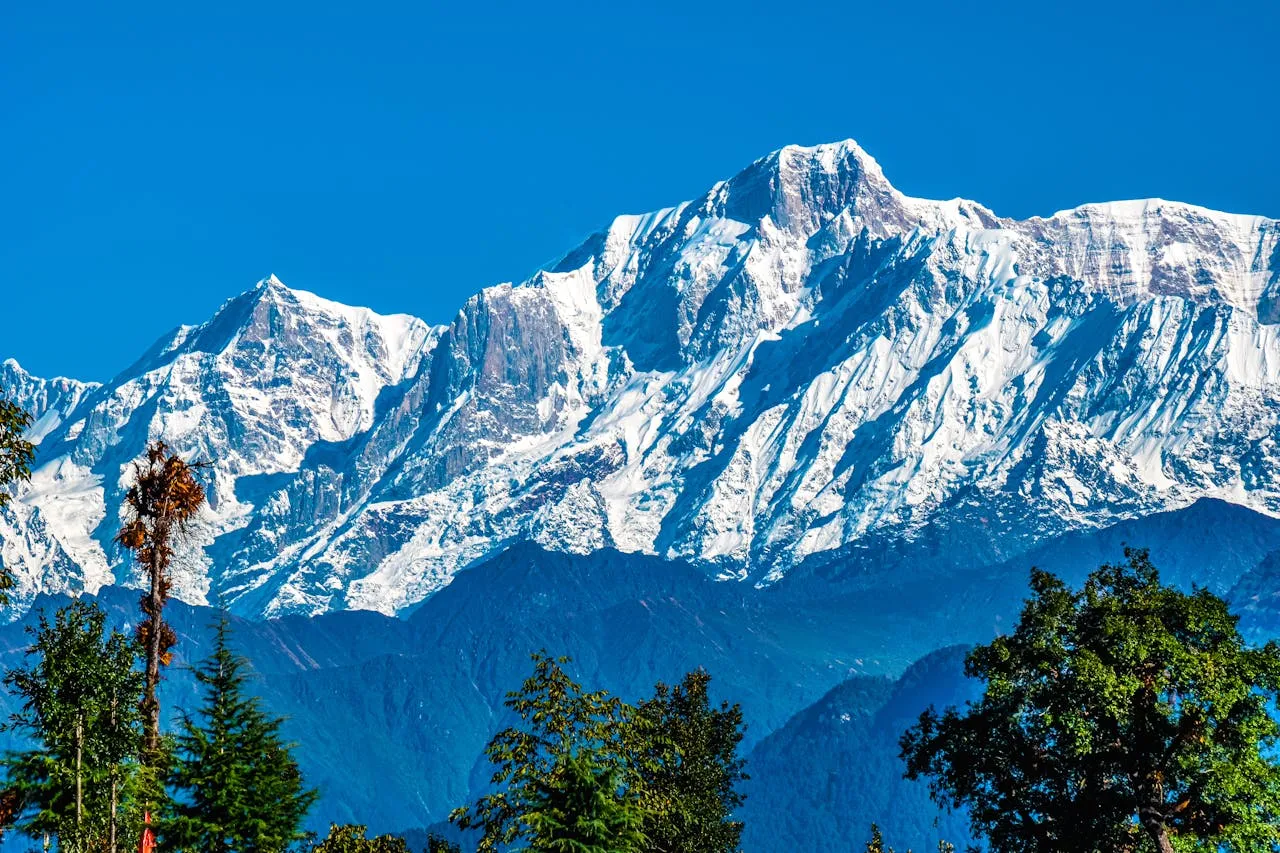

If there is one trek in India that offers the perfect blend of myth, history, alpine beauty, and raw Himalayan wilderness, it is the Har Ki Dun Trek. Nestled in the Govind Pashu Vihar National Park and Sanctuary in Uttarakhand, this ancient cradle-shaped valley is one of the most accessible yet stunning high-altitude treks in the Garhwal Himalayas.
Whether you are a first-time trekker or a seasoned mountaineer looking for a moderate adventure, Har Ki Dun checks every box.
What Is Har Ki Dun?
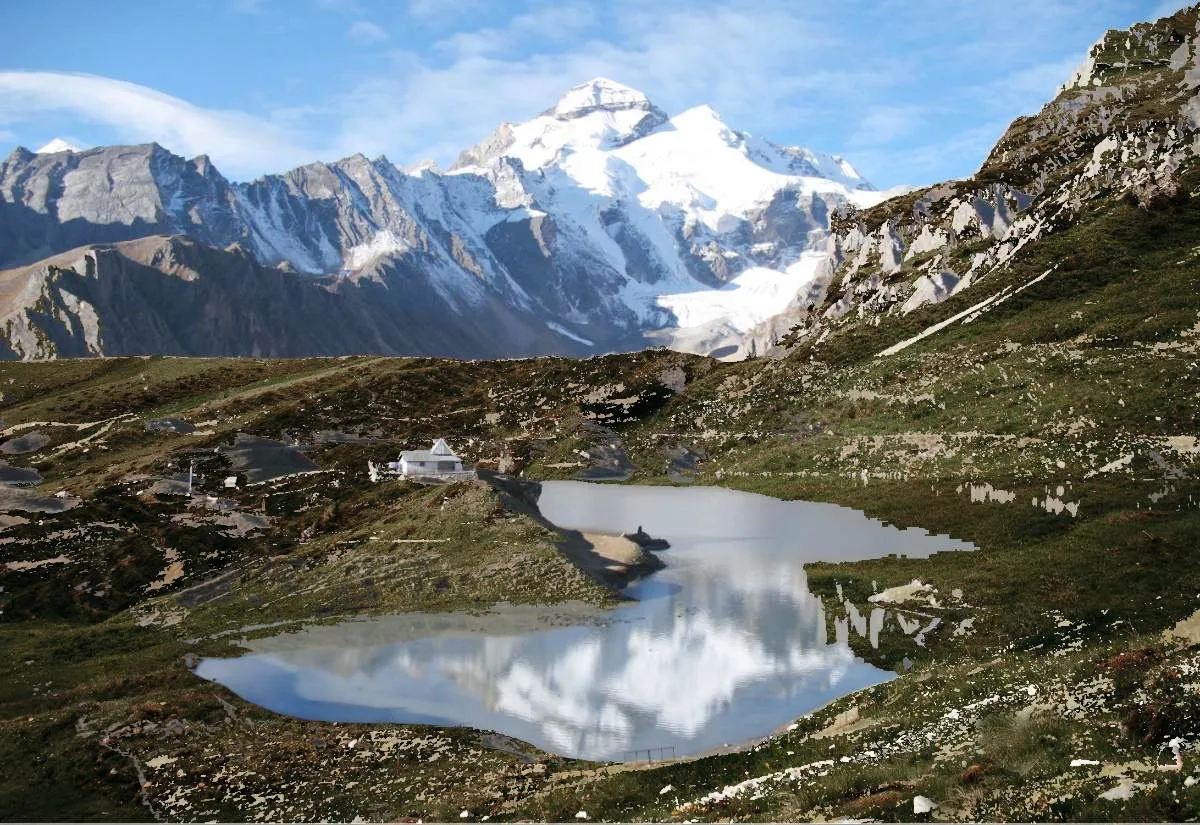
Har Ki Dun, which translates to "Valley of the Gods" in the local dialect, sits at an elevation of approximately 3,566 meters (11,700 feet) above sea level. The valley is flanked by some of the most dramatic peaks in Uttarakhand, including Swargarohini I, II, and III, Black Peak (Kalanag), and Bandarpoonch.
The Har Ki Dun valley is also believed to be the route through which the Pandavas of Mahabharata fame ascended to heaven, lending the entire region a deeply spiritual and mythological significance.
The surrounding Sankri and Osla villages are home to the Har-ki-Dun tribes who have preserved an ancient lifestyle, Himalayan architecture, and animist traditions for centuries. Walking through these villages is like stepping back in time.
Har Ki Dun Trek Overview
Distance: Approximately 46 to 50 kilometers (round trip)
Duration: 6 to 7 days
Difficulty Level: Easy to Moderate
Maximum Altitude: 3,566 meters at the valley base, with optional extensions to Frozen Lake (Har Ki Dun Lake) at around 4,000 meters
Best Time to Visit: April to June and September to December
Base Camp: Sankri village, Uttarkashi district, Uttarakhand
Nearest Railway Station: Dehradun (approximately 200 kilometers)
Nearest Airport: Jolly Grant Airport, Dehradun
Best Time to Do the Har Ki Dun Trek
The trek is open almost year-round, though different seasons offer vastly different experiences.
Spring and Summer (April to June): This is the most popular window. The valley bursts into color with rhododendron blooms, the snow is still fresh on the higher ridgelines, and the weather remains comfortably cool. Temperatures during the day range from 10 to 18 degrees Celsius at the campsite.
Autumn (September to November): Post-monsoon brings crystal-clear skies, golden meadows, and spectacular views of snow-capped peaks. The trail is dry and stable, making it ideal for photography and trekking alike. This is arguably the most scenic time to visit.
Winter (December to February): Har Ki Dun transforms into a snow-blanketed wonderland. The trail is challenging, temperatures can drop to minus 10 degrees Celsius at night, and only experienced trekkers with proper winter gear should attempt it during these months.
Monsoon (July to August): Generally avoided due to leeches, slippery trails, and poor visibility, though some experienced groups do attempt it.
How to Reach Har Ki Dun
By Air: Fly into Jolly Grant Airport in Dehradun. From there, hire a cab to Sankri, which takes around 7 to 8 hours via Mori or Barkot.
By Rail: Dehradun Railway Station is the closest major railhead. Trains are available from Delhi, Mumbai, and other major cities.
By Road: Buses and taxis are available from Dehradun and Mussoorie to Sankri. The road passes through scenic towns like Purola and Mori, with the last stretch being a winding mountain road that gives you the first taste of Himalayan grandeur.
The Trek Route Day by Day
Day 1 — Sankri to Taluka (3 to 4 hours): The trek officially begins at Taluka, a small hamlet about 12 kilometers from Sankri. Most trekkers drive from Sankri to Taluka and start the actual trail from here. The trail follows the Supin River through dense forests of oak, pine, and rhododendron.
Day 2 — Taluka to Osla or Gangar (5 to 6 hours): This is one of the most rewarding stretches of the trek. You pass through the charming village of Gangar and make your way to Osla, a traditional Garhwali village with wooden temples, ancient carvings, and breathtaking views. The Duryodhan Temple in Osla is a unique cultural stop, as locals here worship Duryodhan from the Mahabharata.
Day 3 — Osla to Har Ki Dun Base (4 to 5 hours): The trail gradually opens up into alpine meadows. The sound of the Supin River accompanies you throughout, and as you approach the Har Ki Dun valley, the panoramic views of Swargarohini and Kalanag peaks come into full view. The campsite at the base of the valley is surrounded by pine forests and snow-capped ridges.
Day 4 — Exploration and Rest Day at Har Ki Dun: Use this day to explore the valley. You can take a side hike to the Frozen Lake (Har Ki Dun Lake), explore the origin of the Supin River, or simply soak in the silence and majesty of the valley. This is also a good acclimatization day if you plan to push for higher elevations.
Day 5 — Har Ki Dun to Osla (Return): Retrace your steps back to Osla. The return journey feels equally beautiful, as you see the landscape from a different angle.
Day 6 — Osla to Taluka to Sankri: Descend back through Taluka and either drive or walk back to Sankri. Most trekkers return to Dehradun the same evening.
What to Pack for the Har Ki Dun Trek
Clothing: Layered clothing is essential. Carry a base layer, a fleece jacket, a waterproof windcheater, and a down jacket for the night camps. Do not underestimate the cold, even in May.
Footwear: A pair of waterproof trekking boots with ankle support is non-negotiable. Carry a pair of comfortable sandals for use at campsites.
Gear: Trekking poles, a headlamp with extra batteries, a sleeping bag rated to at least minus 5 degrees Celsius, and a daypack of 20 to 30 liters.
Other Essentials: Sunscreen SPF 50+, lip balm, a first aid kit with altitude sickness medication (Diamox), water purification tablets, and a refillable water bottle. Plastic single-use bottles are banned on most Himalayan trails.
Permits Required for Har Ki Dun
You need a forest permit to enter the Govind Pashu Vihar National Park. This permit is obtained at Sankri or Taluka and costs a nominal amount per person per day. Foreign nationals need to carry their passport and pay a separate fee. Some restricted inner areas may require an additional inner line permit. Always confirm current permit requirements before you depart.
Altitude and Acclimatization Tips
Although Har Ki Dun tops out at a relatively moderate altitude compared to high-altitude passes, it is still essential to acclimatize properly. Avoid rapid elevation gains, stay hydrated, and listen to your body. Symptoms of Acute Mountain Sickness include headache, nausea, dizziness, and fatigue. Descend immediately if symptoms worsen.
Why Har Ki Dun Should Be on Your Bucket List
Few treks in India offer what Har Ki Dun delivers: ancient mythology, vibrant local culture, diverse wildlife (including the Himalayan brown bear, musk deer, and snow leopard), and jaw-dropping mountain scenery, all on a trail that is manageable for fit beginners. Unlike overcrowded treks, Har Ki Dun still feels unhurried, intimate, and wild.
If you are looking to book a well-organized, safe, and deeply immersive experience on this trail, check out this curated Har Ki Dun Trek with Cosmic Scanner. The trip is designed to help you experience every facet of the valley, from cultural village stays to wilderness camping, under the guidance of expert local trek leaders who know this terrain like the back of their hand.
The Valley of the Gods is calling. All you have to do is answer.
























Sign in to leave a comment.