


Travel in 2026 feels a little different. A lot of people are moving away from packed tourist traps and overly curated “ must - see ” lists, and honestly, it makes sense. Travelers want experiences that feel real again. That’s a huge reason why China wildflower conservation is starting to catch serious attention.
Beyond the big cities and famous landmarks, China’s wild landscapes, especially in Sichuan, are becoming a dream for eco - travelers who want stunning scenery, rare plant life, and trips that actually feel connected to something bigger.
Why Are Travelers Paying More Attention to China’s Wildflower Regions ?
For starters, Sichuan isn’t just panda territory. It’s one of the richest biodiversity zones on the planet, packed with thousands of plant species, including many that don’t grow anywhere else.
This isn’t just about pretty flowers.
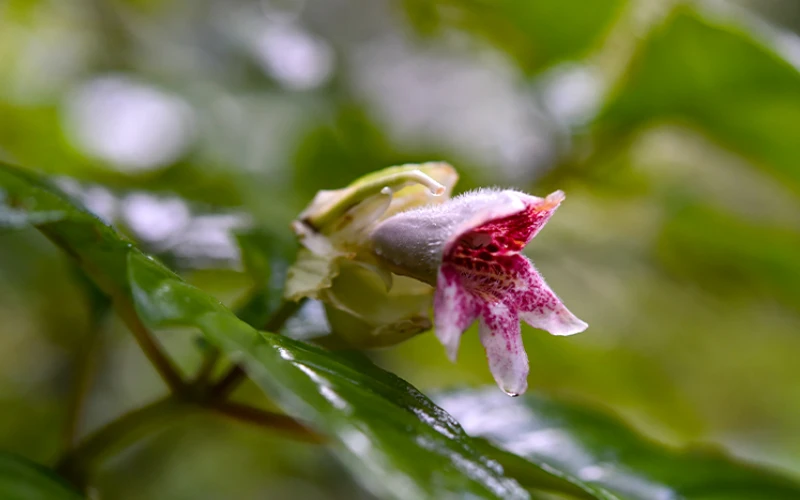
Places like the Hengduan Mountains, Ruoergai Grassland, and alpine reserves have become increasingly popular because travelers are craving nature that feels untouched instead of the overly commercialized parks with crowds lining up for the same photo. Wildflower routes in China offer more immersive high - altitude meadows, seasonal bloom cycles, rare orchids, blue poppies, and landscapes that genuinely change with elevation and time of year.
For travelers burned out on mainstream tourism, that kind of experience feels refreshing.
How Does Wildflower Tourism Help Conservation ?
When eco - travel is managed responsibly, it can genuinely help protect the landscapes people are coming to experience in the first place. In China’s wildflower regions, tourism can help fund habitat restoration, create jobs for local guides and conservation communities, support biodiversity research, and encourage better long - term protection for rare plant ecosystems.
In simple terms, tourism done right gives these fragile habitats real economic value so there’s more incentive to preserve them rather than overdevelop or damage them.
That’s a pretty big deal, especially in sensitive alpine environments where rare flowers can be impacted fast by overcrowding, climate shifts, or poorly managed infrastructure. More travelers today are thinking about that trade - off. It’s not just about seeing somewhere beautiful anymore, but the real value lies in making sure those places stay beautiful long after the trip is over.
What Makes Sichuan Such a Big Deal for Wildflower Travel ?
Honestly, the variety is the main attractive feature. In one trip, you can go from lower mountain forests filled with rhododendrons to alpine passes above 4,000 meters where rare primulas, orchids, and Himalayan blue poppies bloom in short seasonal windows.
That huge elevation range makes Sichuan one of the longest - lasting flower destinations in Asia, with bloom seasons stretching from spring through early fall.
Unlike basic flower tourism, this often involves :
- - Scenic mountain roads
- - Remote Tibetan Plateau ecosystems
- - UNESCO nature reserves
- - Wildlife habitats
- - Conservation - sensitive trekking routes
So instead of just looking at flowers, travelers get a deeper experience that mixes ecology, adventure, and cultural discovery.
Tips for Responsible Eco - Travel in China’s Wildflower Zones
If you’re thinking about planning a trip, keeping it sustainable really matters.
A few smart tips :
- - Travel outside peak holiday crowds
- - Stay on marked trails
- - Respect protected habitats
- - Avoid picking or disturbing flowers
- - Choose knowledgeable local guides
- - Research bloom timing carefully
Wildflower habitats can be incredibly delicate, and even small actions can make a difference.
Final Thoughts ,
People are increasingly looking for travel that feels more intentional, and that’s exactly why China wildflower conservation is becoming such an important part of the eco - travel conversation. It offers more than scenic beauty. It gives travelers a chance to experience some of the world’s rarest botanical landscapes while supporting the long - term survival of those ecosystems.
For anyone craving adventure that feels meaningful, seasonal, and a little less predictable, China’s wildflower regions are proving that conservation and travel can actually work together, and that might just be the future of better travel.



























Sign in to leave a comment.