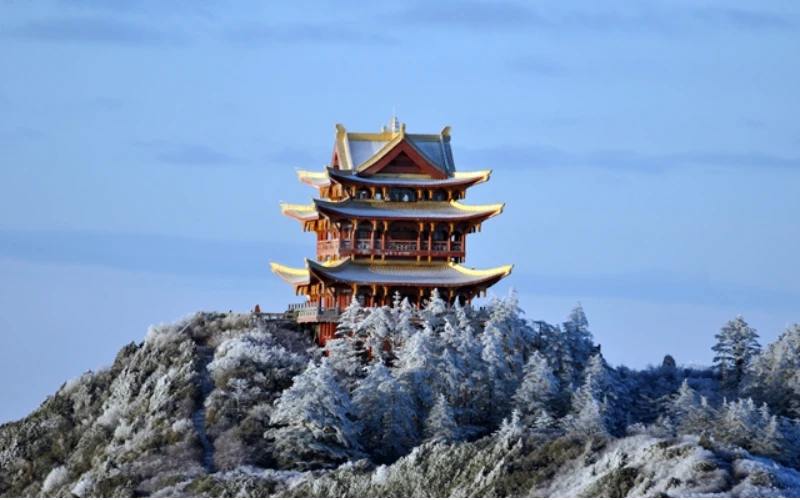

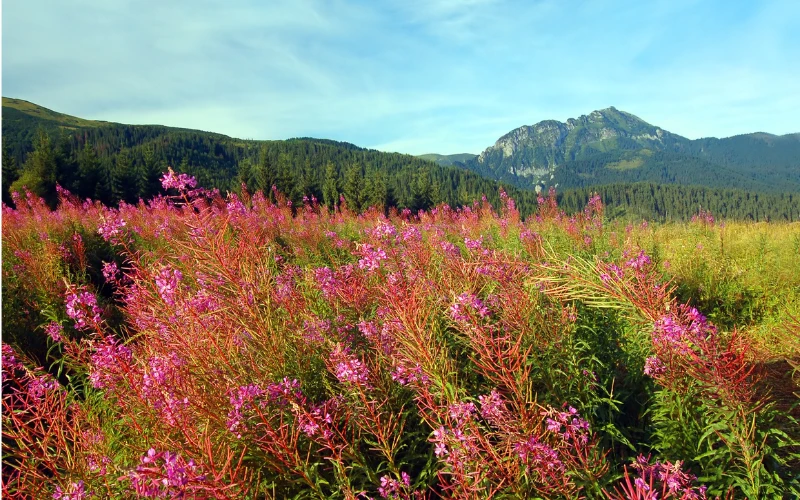
Standing in a meadow full of wildflowers, with the air full of color and smell, is a magical experience. In China, the magic gets even stronger. The country's huge landscapes and dramatic geography are home to one of the richest collections of plants on Earth. China's plants tell a story of strength, variety, and care, from the snowy highlands to the subtropical valleys.
Watching wildflowers in China isn't just about seeing beautiful things; it's also about finding balance. As travelers, we join an important story of protection and appreciation that is at the heart of China Wildflower Conservation.
Getting to know China's floral tapestry
There are more than 300,000 types of plants in China, and hundreds of them are only found there. Every ecosystem, from the grasslands of Inner Mongolia to the lush forests of Yunnan, has its own colorful flowers.
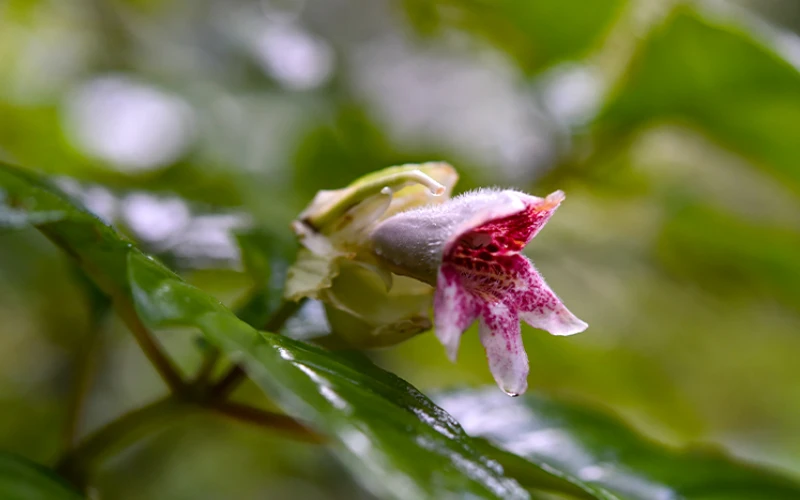
Rhododendron oreodoxa and Viola variegata do well in the thin alpine air of Tibet's high meadows. In the meantime, Stachyurus himalaicus, Ginkgo biloba, and Epimedium brevicornu are all over the southern forests. Each area adds its own brushstroke to this living work of art.
You feel more connected to the journey when you learn about these ecosystems. You won't just see flowers; you'll also see the complex connections that tie them to people, water, and soil.
Traveling with a Purpose: Helping to Protect Nature
A wildflower tour in China is more than just a pretty sight; it's a chance to see conservation in action. Responsible tour operators work with local groups on programs to collect seeds, restore habitats, and plant trees. A lot of them also support education programs that teach people in rural areas how to protect their land and harvest crops in a way that doesn't hurt the environment.
When you go on a tour that follows these rules, your money helps pay for these ongoing efforts. Every picture you take and every path you walk can help keep fragile species alive for future generations.
When to Go to the Wildflower Heartlands
The timing is everything. Most places think that the best time for wildflower tours is from April to June, which is the spring to early summer window. The weather is nice, the meadows are in full bloom, and the highland trails are easier to get to.
In August, some places, especially in Yunnan and Tibet, have late-blooming types as well. If you're a traveler looking for the best photo opportunities, talk to local guides or eco-tour operators before you set your travel dates to make sure you see the flowers at their best.
Traveling with Care: Honoring Nature and Culture
Small things are the first step to responsible travel. Stay on the paths that are marked, don't walk on delicate plants, and never pick wildflowers. When you're trying to get that perfect shot, remember to be aware of your surroundings. Sometimes, stepping back protects more than just petals; it protects whole habitats.
China's wildflower areas are also very important to its cultural traditions. Some plants are seen as sacred or important by many local communities. Following local customs, going on tours run by the community, and staying in small eco-lodges not only make your trip more interesting, but they also help the people who are working to protect these natural wonders.
Useful Advice for a Fulfilling Trip
· Pick eco-friendly places to stay that use renewable energy or eco-friendly waste systems.
· Bring things that can be used more than once to cut down on plastic waste.
· Get in touch with local experts to learn more about the environment and culture.
· Bring a field guide or a plant ID app to help you learn more.
These smart steps will make your trip more meaningful and leave less of a mark on the land you want to see.
One Bloom at a Time to Keep Beauty
China's wildflowers are a symbol of renewal in the mountains, forests, and wetlands. Every leaf and petal you see is a sign of careful care and harmony between people and nature that has lasted for hundreds of years.
Your trip through China's wildflower areas can inspire you to appreciate and act on what you see, whether you're a botanist, a photographer, or just someone looking for peace among the flowers. You also protect the country by exploring, making sure that its amazing biodiversity keeps growing for generations to come.























Sign in to leave a comment.