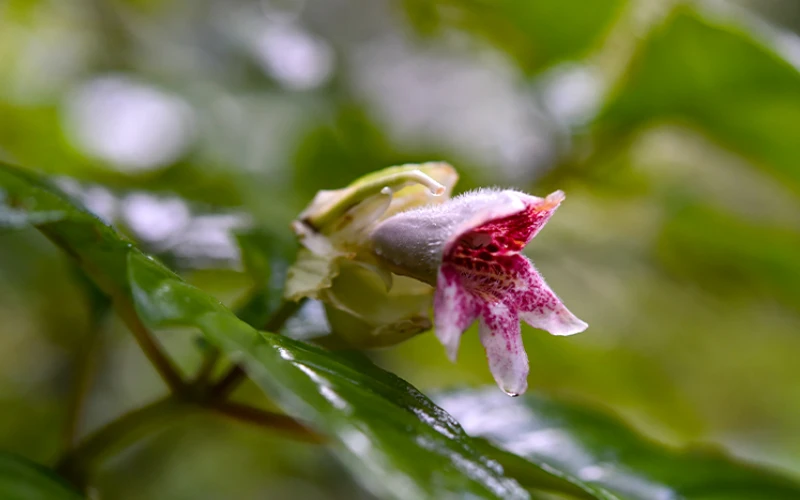

If you’re heading to China to see wildflowers, you might be expecting something familiar like national parks, clear boundaries, “do not touch” signs. That’s totally normal. But here’s the thing : China plays by its own rules. China wildflower conservation doesn’t always look like what you think, and if you go in with assumptions, you’re probably missing half the story.
It’s not about right or wrong. It’s about understanding how plants, people, and culture all work together in ways most Western travelers don’t realize.
Mistake #1 : Thinking Conservation Means “Hands Off” Everywhere
In the West, conservation usually means fenced - off areas or restricted access. In China ? Not so much.
Wildflowers often grow right next to villages, farms, and temples. People have lived alongside these plants for centuries. Conservation here is less about shutting humans out and more about coexisting responsibly.
Examples of how it works :
- Protecting certain rare species
- Limiting harvest instead of banning it
- Keeping an eye on habitats rather than building fences
So yeah, seeing flowers near human activity doesn’t mean neglect. It’s actually pretty normal.
Mistake #2 : Thinking All Plant Collecting Is Illegal
A lot of visitors assume that if a plant is being picked or sold, someone’s breaking the law. That’s not always true.
Many wild plants, especially orchids and medicinal herbs, have long histories of use in local communities. Sure, over - collection happens, but not every plant in a market is “poached.”
Here’s the balance :
- Some species are legally protected
- Others are used sustainably by locals
The challenge is protecting species and supporting livelihoods. It’s not black-and-white, and that’s what surprises most Western travelers.
Mistake #3 : Underestimating How Fragile Plants Are
Even careful travelers can accidentally mess things up. Many alpine and forest wildflowers need super specific conditions related to soil microbes, shade, and moisture. Disturb one little thing and the plant might never come back.
Watch out for :
- Stepping off trails for a “perfect shot”
- Standing on moss or near streams
- Touching flowers just to look closer
- Assuming small plants are resilient
Plants don’t move. They don’t recover quickly. One wrong step can undo years of growth.
Mistake #4 : Thinking Conservation Is Just About Laws
Yes, China has laws protecting many wild plants, and those rules matter. But legal protection alone isn’t enough.
Real conservation relies on :
- Local knowledge and traditions
- Community participation
- Education alongside enforcement
- Finding alternatives to over - harvesting
Once you get this, you stop judging what you see and start asking questions. That’s where the real learning happens.
Mistake #5 : Forgetting That Climate Change Is Already Hitting Hard
Another thing travelers miss is that habitats are changing fast. Some species are moving higher up mountains. Others bloom earlier, later, or not at all. Places that were reliable a few years ago might be totally different now.
Conservation today isn’t about freezing landscapes in time. It’s about helping ecosystems adjust and survive.
What Foreign Travelers Can Do Differently
You don’t need to be a scientist or a hardcore conservation nerd to travel responsibly. Just paying attention, staying curious, and respecting local context already puts you ahead of the game. Notice how plants show up in everyday life. Ask questions instead of jumping to conclusions. And keep in mind that conservation doesn’t look the same everywhere, and that’s okay.
Real China wildflower conservation isn’t about chasing perfect scenery or rare finds you can post online. It’s about seeing how plants, people, and places are actually connected, and realizing that traveling thoughtfully can support protection instead of quietly working against it.


























Sign in to leave a comment.