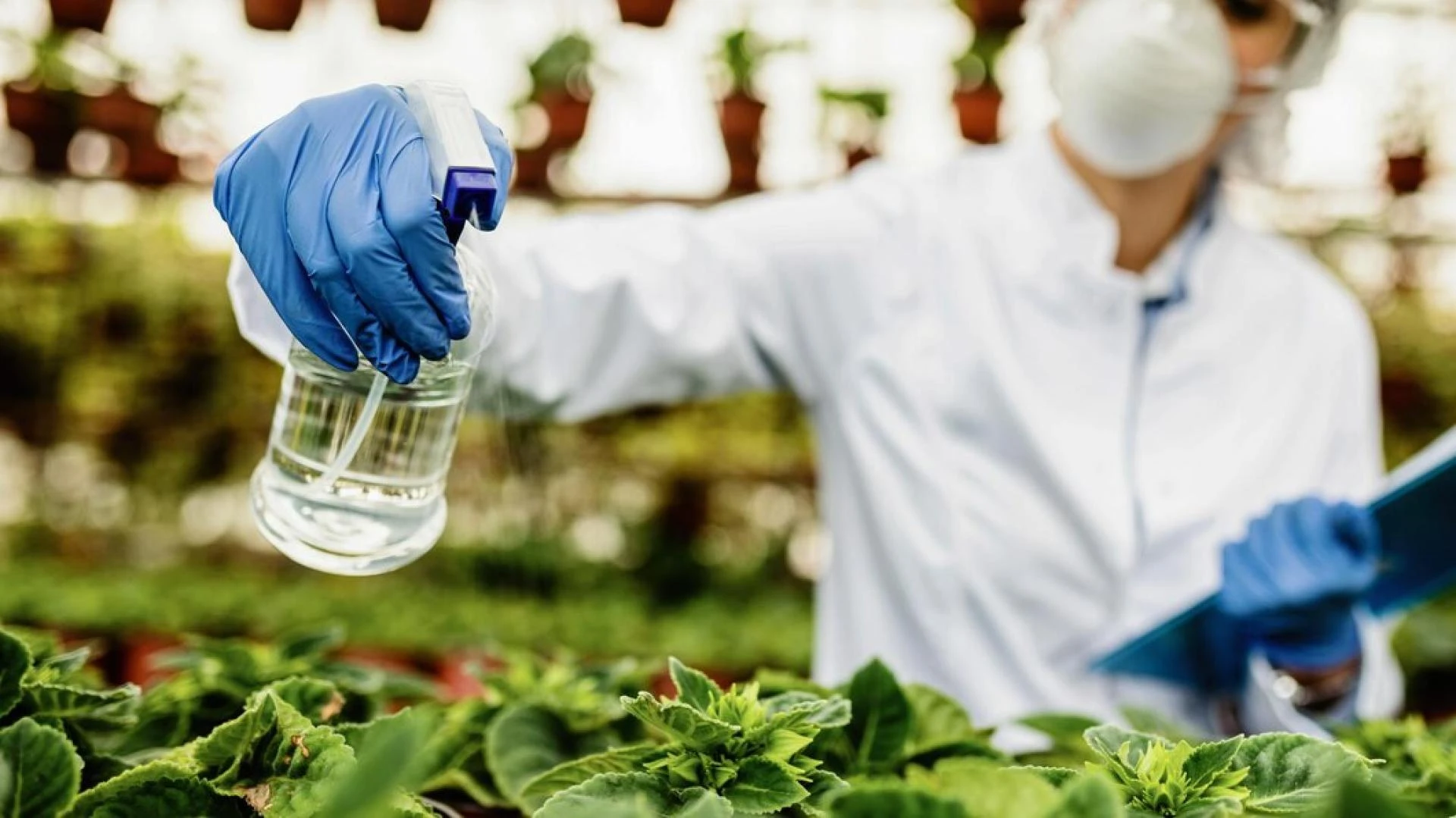

Introduction:
In the ongoing quest for sustainable agricultural practices, the spotlight is increasingly turning towards biological pesticides. With growing concerns over the environmental and health impacts of conventional chemical pesticides, farmers, researchers, and policymakers are seeking safer and more eco-friendly alternatives. Biological pesticides, derived from natural sources such as plants, bacteria, fungi, and insects, offer a promising solution. In this article, we delve into the world of biological pesticides, exploring their effectiveness, advantages, and the role they play in shaping the future of agriculture.
Understanding Biological Pesticides:
Biological pesticides, often referred to as biopesticides, are pest management products derived from natural materials. Unlike synthetic chemical pesticides, which are manufactured using artificial compounds, biological pesticides harness the power of nature's own defenses to control pests. These natural alternatives encompass various categories, including microbial pesticides, plant-incorporated protectants, biochemical pesticides, and insect pheromones.
The Effectiveness of Biological Pesticides:
One of the key questions surrounding biological pesticides is their effectiveness compared to traditional chemical counterparts. Research and field trials have consistently demonstrated that biological pesticides can be highly effective in controlling pests while minimizing adverse impacts on the environment and non-target organisms. Moreover, many biological pesticides exhibit multiple modes of action, making them valuable tools for managing resistance in pest populations—a significant challenge faced by conventional pesticides.
Advantages of Biological Pesticides:
Biological pesticides offer a myriad of advantages over chemical alternatives, making them an attractive option for farmers and agricultural practitioners. Firstly, they pose minimal risk to human health and the environment, as they degrade more rapidly and exhibit lower toxicity levels. This aspect is particularly crucial for protecting farmworkers, consumers, and ecosystems from harmful chemical residues. Additionally, biological pesticides are often target-specific, meaning they selectively target pests while sparing beneficial insects, such as pollinators and natural predators.
The Role of Biological Pesticides in Sustainable Agriculture:
As the global agricultural sector seeks to transition towards more sustainable practices, biological pesticides are emerging as key players in this transformative journey. By reducing reliance on synthetic chemicals, biological pesticides contribute to minimizing environmental pollution, preserving biodiversity, and promoting soil health. Furthermore, their compatibility with integrated pest management (IPM) strategies encourages a holistic approach to pest control, incorporating biological, cultural, and mechanical interventions to achieve long-term sustainability.
Challenges and Future Outlook:
Despite their numerous benefits, biological pesticides still face certain challenges that hinder their widespread adoption. These include limited availability and scalability, regulatory hurdles, and perceptions regarding their efficacy compared to chemical alternatives. However, ongoing research and technological advancements are addressing these barriers, paving the way for greater acceptance and integration of biological pesticides into mainstream agriculture. Looking ahead, the future of biological pesticide wholeslaer appears promising, offering a beacon of hope for a more resilient and environmentally friendly agricultural landscape.
Conclusion:
In conclusion, China biological pesticide supplier represent a compelling solution to the pressing challenges posed by conventional chemical pesticides. By harnessing the innate mechanisms of nature, these bio-based alternatives offer effective pest management while minimizing risks to human health and the environment. As the global agricultural community continues to prioritize sustainability and resilience, the role of biological pesticides is set to expand, driving positive change towards a more sustainable and ecologically harmonious future for farming.
























Sign in to leave a comment.