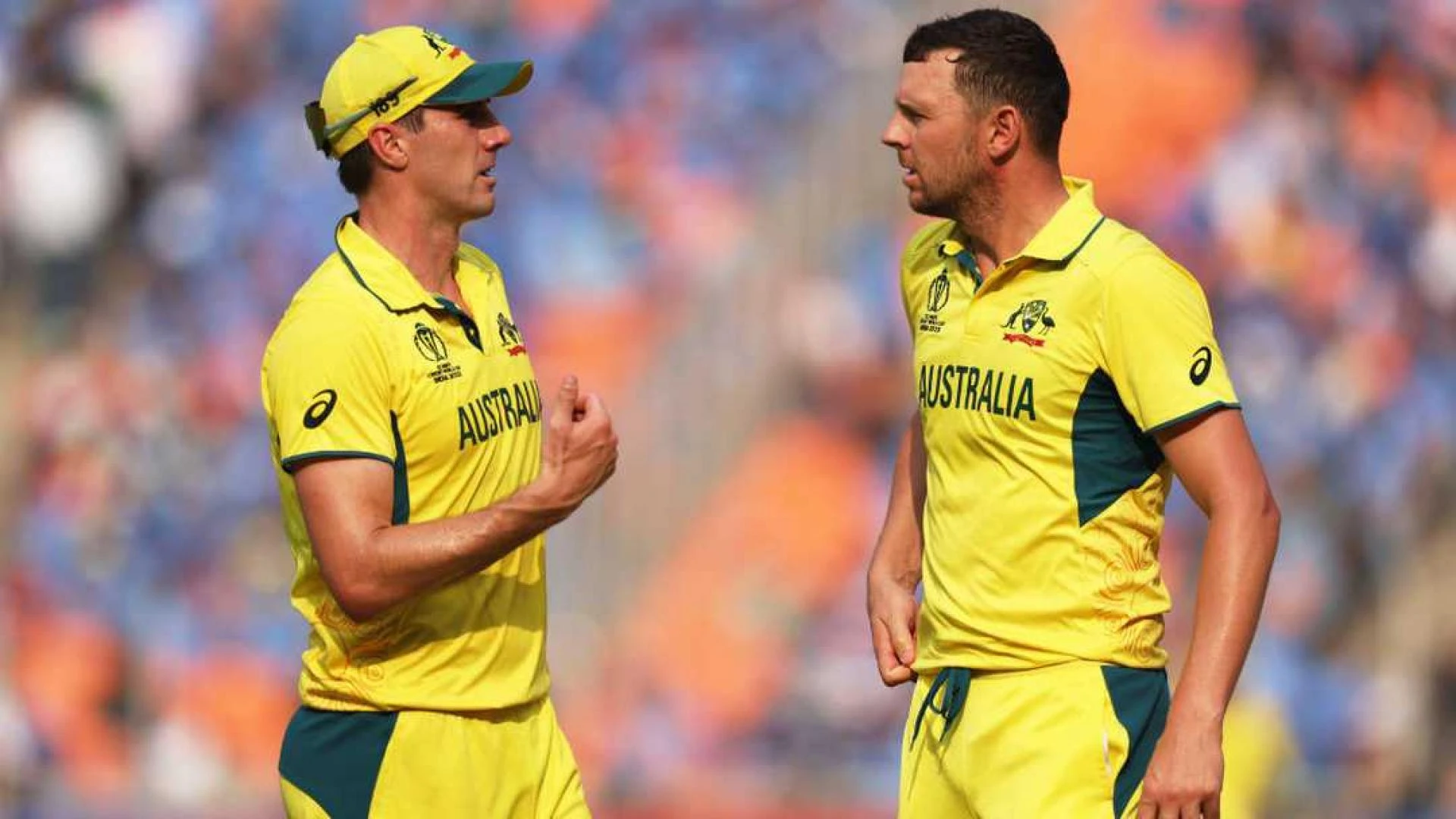

The Indian Premier League (IPL) is renowned for gathering top cricket talent globally. Each year, supporters keenly anticipate watching overseas stars compete for their respective franchises. Nevertheless, preceding IPL 2026, reports indicating Australian seamers Josh Hazlewood and Pat Cummins might skip the early tournament phase have generated debate among fans and pundits.
While such absences impact team setups, they also underscore a crucial element of contemporary cricket: managing player workloads and maintaining fitness. Grasping why these athletes might not feature in opening games illuminates the broader context of the international cricket schedule and player priorities.
Reasons Hazlewood and Cummins Might Be Absent Early On
Current professional cricketers participate across various formats and tournaments year-round. Consequently, cricket bodies and team leadership frequently make careful judgments about player availability.
For figures such as Josh Hazlewood and Pat Cummins, vital components of Australia’s national squad, fitness preservation is paramount.
Potential factors for their delayed IPL involvement:
- National team obligations
Aussies often have national duties preceding the IPL window.
- Workload regulation
Pace bowlers, in particular, require recuperation following extensive international tours.
- Injury avoidance
Squads prefer players to be fully recovered rather than risk them sustaining injuries.
- Preparatory focus
Athletes might be sharpening up for forthcoming international events.
These considerations suggest that missing a small number of IPL games is frequently a forward-looking choice rather than a brief withdrawal.
Josh Hazlewood's Significance in T20 Cricket
Josh Hazlewood has transitioned from a classic Test bowler into a highly effective T20 specialist over recent seasons. His precision and ability to extract bounce make him especially potent during the initial overs.
Assets Hazlewood brings to IPL rosters:
- Control with the new ball
He can restrain aggressive opening batters.
- Bowling at a challenging length
His consistency in hitting the right spot frustrates scoring.
- Experience under duress
He has featured in major finals and comprehends high-stakes situations.
- Adherence to strategy
He adheres to plans rather than solely depending on variations.
His absence in the opening matches might compel sides to restructure their bowling attacks.
Pat Cummins: More Than Just a Seamer
Pat Cummins functions as both a strike bowler and a pivotal leader. As Australia’s captain across formats, he shoulders considerable responsibility. In franchise setups, he often assumes the role of a senior figure mentoring younger players.
What Cummins contributes to a franchise:
- Innate leadership
His presence bolsters team morale.
- All-round contribution
He can chip in valuable runs lower down the order.
- Temperament for big moments
He elevates his game in high-pressure contests.
- Understanding of tactics
His grasp of match scenarios benefits captains.
Due to these attributes, even a short absence can disrupt team equilibrium.
Ramifications for IPL Squads
When marquee players are unavailable for initial fixtures, franchises must lean on the depth of their personnel. This is where auction strategies and reserve strength become critical.
How teams might react:
- Deploying reserve overseas options
Squads may test alternative international talent.
- Elevating local talent
Young Indian players frequently receive early call-ups.
- Modifying bowling structures
Teams might incorporate additional spinners or all-rounders.
- Rotating the playing eleven
Flexible selection becomes a necessity.
Such scenarios sometimes uncover fresh talent who might otherwise remain unseen.
The Complexity of Modern Cricket Scheduling
The current cricket calendar is intensely packed. Players move between bilateral series, ICC events, and then franchise tournaments. This renders scheduling incredibly intricate.
Hurdles confronting players:
- Minimal recovery windows
- Constant travel demands
- Shifting between formats
- Mental strain
- Increased risk of injury
Owing to these elements, cricket authorities often coordinate with leagues such as the IPL regarding player availability.
Fast Bowlers and Workload Supervision
Seamers face the highest risk of injury in cricket due to the physical demands of bowling. Overseeing their workload is vital for career longevity.
Why pace bowlers require careful management:
- Physical taxing nature
Fast bowling strains the back and knees.
- Injuries from repetition
Continuous fixtures heighten accident probability.
- Recovery stipulations
Muscle repair requires time following intense spells.
- Long-term career forecasting
Boards aim for players to be fit for international assignments.
This context clarifies why players like Cummins and Hazlewood might skip opening matches, prioritizing long-term fitness over brief early exposure.
A Chance for Developing Talent
While supporters might lament the initial absence of star names, these circumstances generate openings for emerging players.
Upsides for junior athletes:
- Exposure to high-pressure clashes
Youngsters gather vital playing time.
- Opportunity to impress management
Strong debuts can secure future nominations.
- Boosting self-assurance
Competing alongside established internationals builds belief.
- Professional advancement
IPL visibility can translate into national selection.
Numerous successful careers commenced their IPL stories as stand-ins or reserves.
Supporter Sentiment and Hopes
When celebrated players miss matches, fan responses vary. Some feel let down, while others welcome the chance to see new faces.
In cricket discussion forums and analytical platforms, such as Sky Exchange, it is frequently noted how squad depth becomes a central topic when prominent names are sidelined.
Fans currently possess a greater appreciation for fitness and international obligations, making such decisions easier to accept than perhaps before.
Astute Planning by Franchises
IPL organizations now plan meticulously for such eventualities. They typically assemble versatile squads capable of navigating temporary gaps.
Smart roster construction entails:
- Players with multiple roles
All-rounders who can balance the structure.
- Adaptable overseas selections
Athletes who can fulfill diverse duties.
- Strength of the domestic reserve
India’s robust domestic structure offers capable replacements.
- Contingency planning for injuries
Teams maintain continuous monitoring of player physical condition.
This professional approach ensures teams remain competitive despite temporary absences of key personnel.
How Early Matches Influence IPL Journeys
Although the IPL spans a considerable duration, the opening matches often set the tone for a team’s campaign.
Significance of initial fixtures:
- Gathering points
Early victories ease subsequent pressure.
- Refining team composition
Squads pinpoint their optimal playing ensemble.
- Building morale
Initial successes uplift the team spirit.
- Engaging the fanbase
Strong starts secure supporter backing.
Teams missing Hazlewood or Cummins will strive to remain robust until their complete roster is accessible.
The Expanding Role of Sports Science
Modern cricket is heavily reliant on sports science. Fitness experts now hold considerable sway in determining player rest periods.
Contributions from sports science:
- Assessing injury likelihood
Medical teams track player exertion levels.
- Recovery regimens
Specialized training structures aid faster recuperation.
- Data tracking
Bowling volume and match intensity are recorded.
- Individualized fitness blueprints
Each player receives tailored timelines.
This scientific underpinning explains why availability rulings are frequently precautionary rather than reactive.
The Commercial Aspect of Player Availability
The IPL represents more than just a sporting contest; it is a major professional league. Decisions regarding player presence involve dialogue between national boards, franchises, and the athletes themselves.
On platforms like Sky Exchange and other cricket discussion venues, analysis often covers how team tactics shift when crucial players are temporarily unavailable.
However, most franchises accept these scenarios, recognizing that safeguarding player well-being benefits all stakeholders in the long term.
Ways Teams Can Manage Without Star Bowlers
Losing key seamers presents a hurdle, but teams frequently adapt through collective effort.
Potential adaptation methods:
- Shared bowling burden
Instead of relying on one star, squads distribute the responsibility.
- Enhancements in the field
Superior fielding can offset gaps in the bowling unit.
- Contributions from the batting line
Extra runs can alleviate stress on the bowlers.
- Tactical nimbleness
Captains may adjust approaches based on available personnel.
This capacity to adjust often distinguishes high-performing teams from those that struggle.
The Value of Clear Player Communication
Transparent dialogue between athletes and teams prevents misunderstandings. Players typically inform their franchises of availability well in advance.
Advantages of early notification:
- Enables teams to arrange substitutes
- Provides clarity for supporters
- Reduces media conjecture
- Allows management to formulate strategies
Professional communication has seen significant improvement in contemporary franchise cricket.
What Fans Can Anticipate Upon Their Return
While Hazlewood and Cummins might miss the initial set of matches, their eventual re-entry could significantly fortify their respective sides.
Anticipated effects post-return:
- A more potent bowling arsenal
Their experience adds crucial depth.
- A stabilizing leadership presence
Cummins, in particular, brings composure.
- Refined tactical execution
Seasoned players aid in in-game choices.
- Support for a late-tournament push
Their presence may prove vital later in the competition.
Teams often map out their campaigns anticipating full strength for the concluding stages.
Harmonizing Franchise and International Cricket
One of the foremost modern dilemmas in cricket is balancing the demands of franchise leagues with international fixtures. Players must navigate both spheres carefully.
Essential balancing considerations:
- Primacy of national duty
Most players prioritize international commitments.
- Financial prospects
Franchise leagues offer avenues for professional growth.
- Managing physical load
Excessive fixtures can shorten playing spans.
- Personal career charting
Players make deliberate schedule selections.
This equilibrium will continue to dictate IPL participation routines.






















Sign in to leave a comment.