

Hip pain can gradually become a major obstacle in everyday life. What may begin as occasional discomfort can slowly progress into persistent pain that affects walking, climbing stairs, sitting for long periods, or even sleeping. Many people continue to manage the symptoms with medication or home remedies, hoping the pain will improve on its own. However, when hip joint damage becomes severe, delaying treatment may only reduce mobility and quality of life.
Modern Hip Replacement Surgery in Jaipur offers an effective solution for patients experiencing advanced hip arthritis or irreversible joint damage. The key to successful treatment is knowing when conservative care is no longer enough and when surgery becomes the best option for restoring comfortable movement.
Understanding Hip Joint Problems
The hip is one of the body's strongest weight-bearing joints, allowing smooth movement during walking, bending, standing, and other daily activities. A layer of healthy cartilage cushions the bones and enables friction-free motion.
Over time, conditions such as osteoarthritis, rheumatoid arthritis, avascular necrosis, previous fractures, or age-related wear can damage this cartilage. As the joint surfaces deteriorate, movement becomes painful, stiff, and increasingly restricted.
Without appropriate treatment, the condition often progresses and begins affecting overall mobility.
When Should You Consider Hip Replacement?
Not every patient with hip pain requires surgery. Hip replacement is generally recommended when conservative treatments no longer provide lasting relief and the pain begins interfering with daily activities.
If walking short distances becomes difficult, stiffness limits normal movement, pain continues even during rest, or routine tasks become challenging despite physiotherapy and medication, it may be time to consult an orthopaedic specialist.
The decision is based on the severity of joint damage, imaging findings, physical function, and the patient's overall health rather than age alone.
Signs That You Should Not Ignore
Many patients continue living with chronic hip pain for years before seeking medical advice. Recognizing the warning signs early can help prevent unnecessary disability.
Common signs include:
- Persistent hip pain during walking or standing
- Difficulty climbing stairs or getting out of a chair
- Stiffness that limits hip movement
- Pain that disturbs sleep or rest
- Reduced ability to perform daily activities
- Little or no improvement with medication or physiotherapy
If these symptoms continue affecting your quality of life, professional evaluation becomes essential.
Benefits of Modern Hip Replacement Surgery
Advances in orthopaedic surgery have made hip replacement safer, more precise, and more successful than ever before.
Modern implants are designed to provide excellent durability and natural joint movement. Improved surgical techniques help preserve healthy tissues while supporting better implant positioning and faster rehabilitation.
Patients often experience significant pain relief, improved walking ability, greater flexibility, enhanced independence, and a better overall quality of life after recovery.
Why Early Consultation Matters
Many individuals delay surgery because they believe they should tolerate the pain until it becomes unbearable. Unfortunately, waiting too long may weaken surrounding muscles, reduce physical fitness, and make rehabilitation more challenging.
An early consultation allows the orthopaedic surgeon to assess the condition thoroughly and explain all available treatment options. Even if surgery is not immediately required, timely evaluation helps patients plan appropriate treatment before severe disability develops.
Making informed decisions early often leads to better long-term outcomes.
Recovery After Hip Replacement
Recovery is an important part of the treatment journey. Physiotherapy begins soon after surgery and focuses on restoring strength, flexibility, balance, and normal walking patterns.
Patients gradually increase their activity level according to their rehabilitation program. Regular exercise and adherence to medical advice help improve mobility while protecting the new joint.
Most individuals are able to return to many of their routine activities with greater comfort and confidence after successful rehabilitation.
Expert Care Makes a Difference
Choosing an experienced orthopaedic surgeon plays a significant role in achieving the best possible outcome. Accurate diagnosis, careful surgical planning, modern techniques, and structured rehabilitation all contribute to successful recovery.
Dr. Abhishek Gupta, MBBS, MS (Orthopaedics), is a Senior Consultant Orthopaedic & Joint Replacement Surgeon in Jaipur with more than 25 years of experience in joint replacement, arthroscopy, and sports injury management. Having performed over 10,000 orthopaedic procedures and treated thousands of patients, he specializes in personalized treatment plans that focus on restoring mobility while preserving long-term joint health whenever possible.
Comprehensive Orthopaedic Care
Hip problems sometimes occur alongside ligament injuries or sports-related knee conditions that require specialized treatment. Comprehensive orthopaedic care ensures that every aspect of musculoskeletal health is carefully managed.
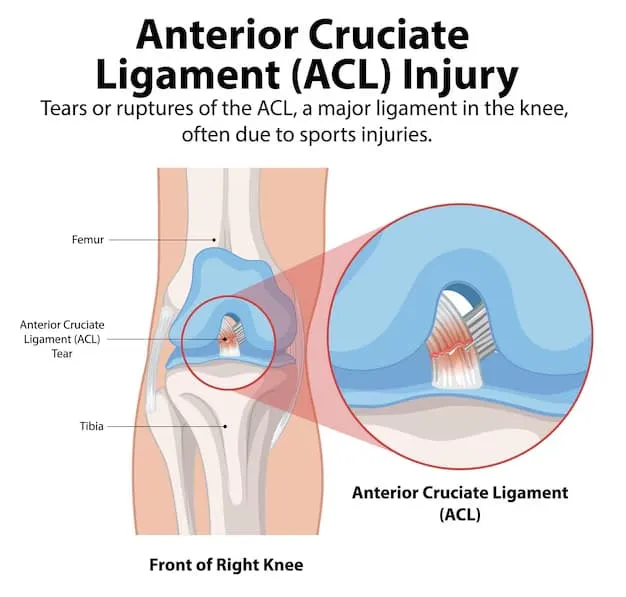
Patients with knee instability caused by ligament damage can benefit from advanced ACL Injury Treatment in Jaipur, helping restore knee function through individualized treatment and rehabilitation.
Similarly, athletes and active individuals recovering from ligament injuries may require specialized Sports Ligament Injury Treatment Jaipur, which focuses on restoring stability, improving performance, and reducing the risk of future injuries.
Treating multiple joint conditions through an integrated approach supports better mobility and long-term physical well-being.
Life After Hip Replacement
Following recovery, maintaining a healthy lifestyle helps maximize the lifespan of the artificial joint. Regular low-impact exercise, maintaining an ideal body weight, strengthening surrounding muscles, and attending routine follow-up appointments all contribute to long-term success.
Patients who remain physically active while following professional guidance often enjoy excellent mobility and a significant improvement in their quality of life.
Modern hip replacement is designed not only to relieve pain but also to help patients return to the activities they value most.
Final Thoughts
Living with chronic hip pain should never be accepted as a normal part of life. When pain begins limiting movement, independence, and daily activities despite conservative treatment, it may be the right time to explore advanced treatment options.
Hip Replacement Surgery in Jaipur provides a reliable and effective solution for individuals with severe hip joint damage who want lasting pain relief and improved mobility. Under the expert care of Dr. Abhishek Gupta, patients receive personalized evaluation, advanced surgical treatment, and comprehensive rehabilitation, helping them return to a more active, comfortable, and confident lifestyle.

























Sign in to leave a comment.