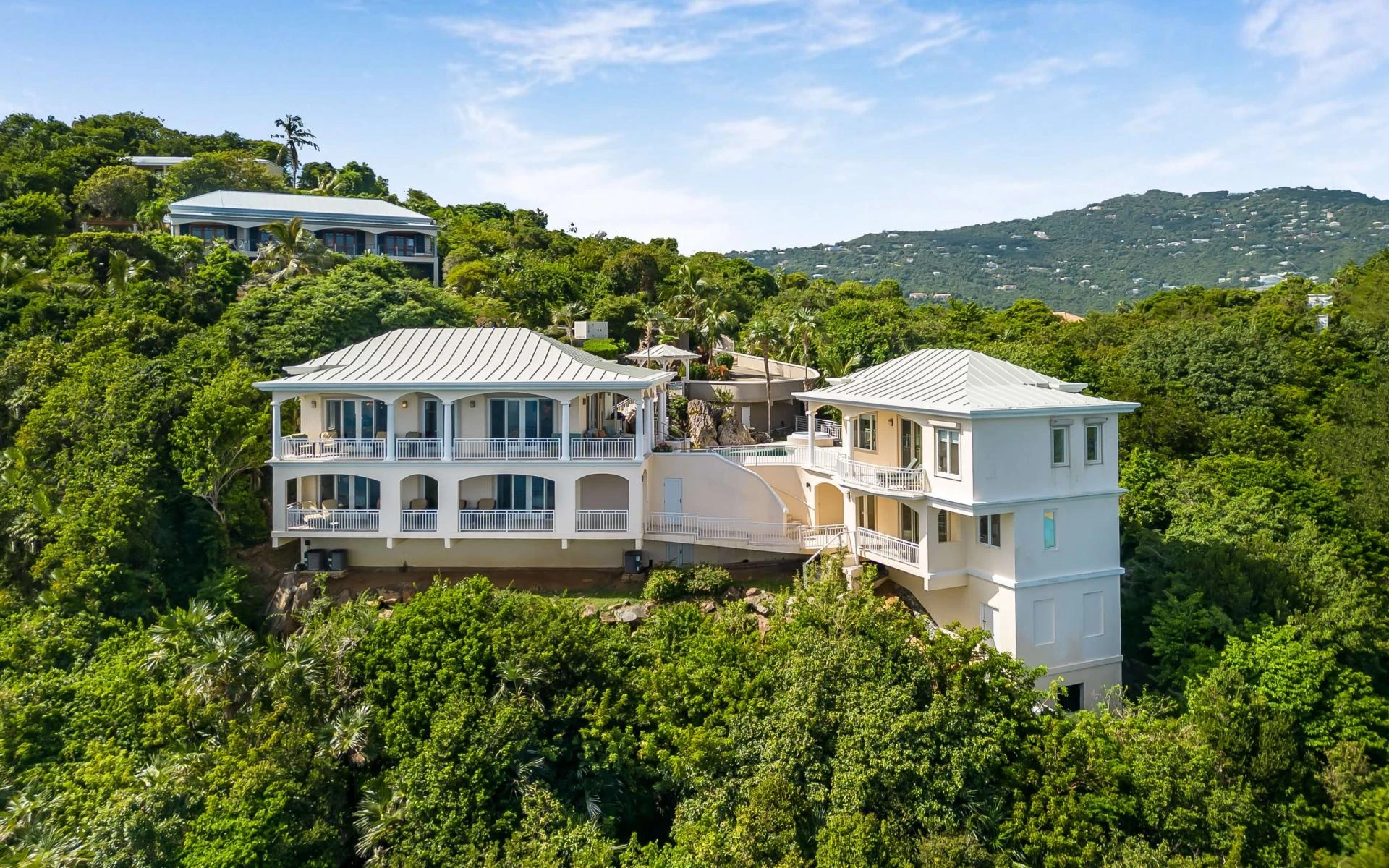

In today’s competitive property market, first impressions matter more than ever. That’s where HDR photography makes a real difference. High Dynamic Range (HDR) images capture a wider range of light and detail, helping real estate listings look bright, balanced, and inviting. Whether you’re a property owner, agent, or photographer, understanding the essentials of HDR photography can elevate your real estate marketing strategy.
What Is HDR Photography?
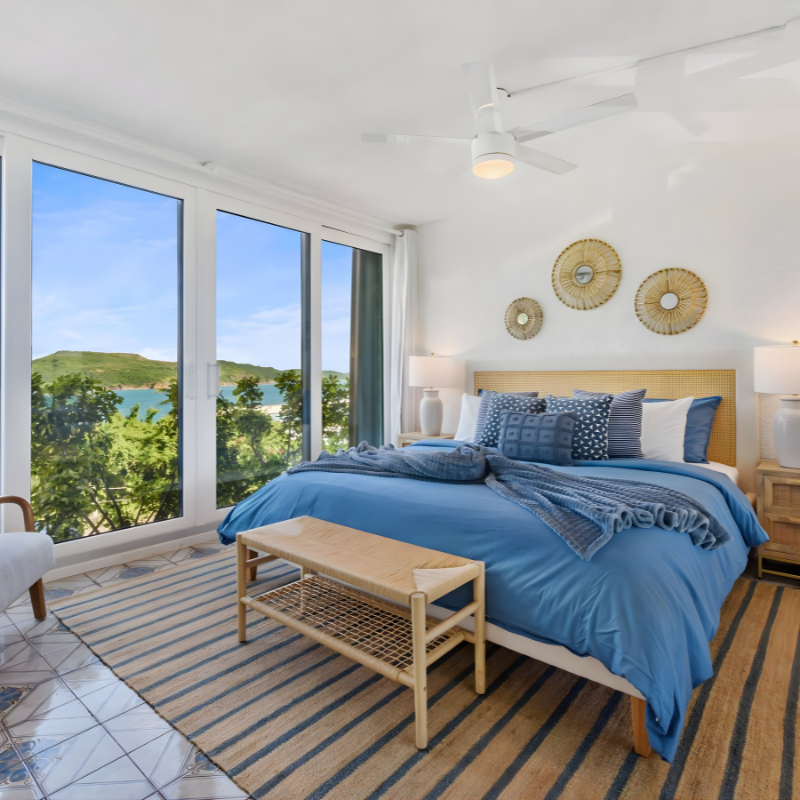
HDR photography combines multiple images taken at different exposure levels into one perfectly balanced photo. Instead of choosing between a bright window and a properly lit interior, HDR blends both exposures. The result? Clear views of indoor details and outdoor scenery in a single frame.
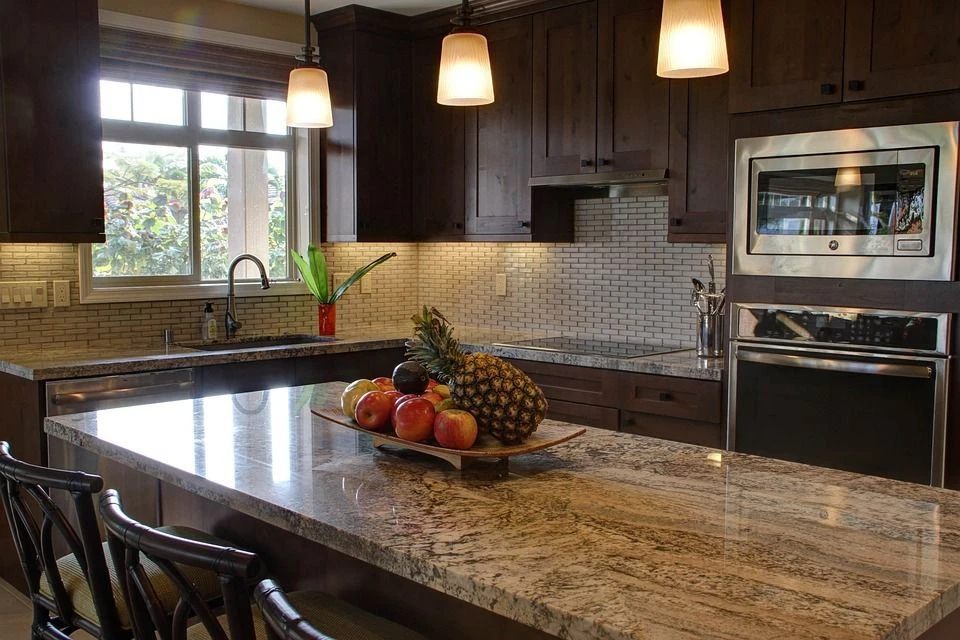
For real estate, this technique ensures rooms look natural, spacious, and welcoming—without harsh shadows or blown-out highlights.
1. Use the Right Equipment
To achieve professional results, start with a DSLR or mirrorless camera that supports exposure bracketing. A sturdy tripod is essential to keep each shot aligned. Even slight movement can affect the final image quality. A wide-angle lens is also helpful for capturing entire rooms without distortion.
2. Master Exposure Bracketing
Exposure bracketing involves taking multiple shots of the same scene—typically underexposed, correctly exposed, and overexposed. These images are later merged using editing software. For interior spaces with bright windows, you may need five or more bracketed shots to capture every detail.
Consistency is key. Keep your camera settings stable and avoid moving objects within the frame.
3. Focus on Natural Lighting
Lighting plays a huge role in HDR photography. Open curtains and blinds to allow natural light to flow in. Turn on interior lights to create warmth and depth. However, avoid mixing too many light temperatures, as it can cause color inconsistencies in the final image.
The goal is to highlight architectural details while maintaining a natural and realistic look.
4. Edit with Precision
Post-processing is where HDR images truly come to life. Use professional editing software to merge bracketed images carefully. Avoid over-processing, which can make photos look artificial or overly dramatic. Real estate HDR images should look bright and crisp—but still natural.
Pay attention to color balance, contrast, and sharpness. Straighten vertical lines and correct lens distortion to maintain a polished, professional appearance.
5. Stage the Property Before Shooting
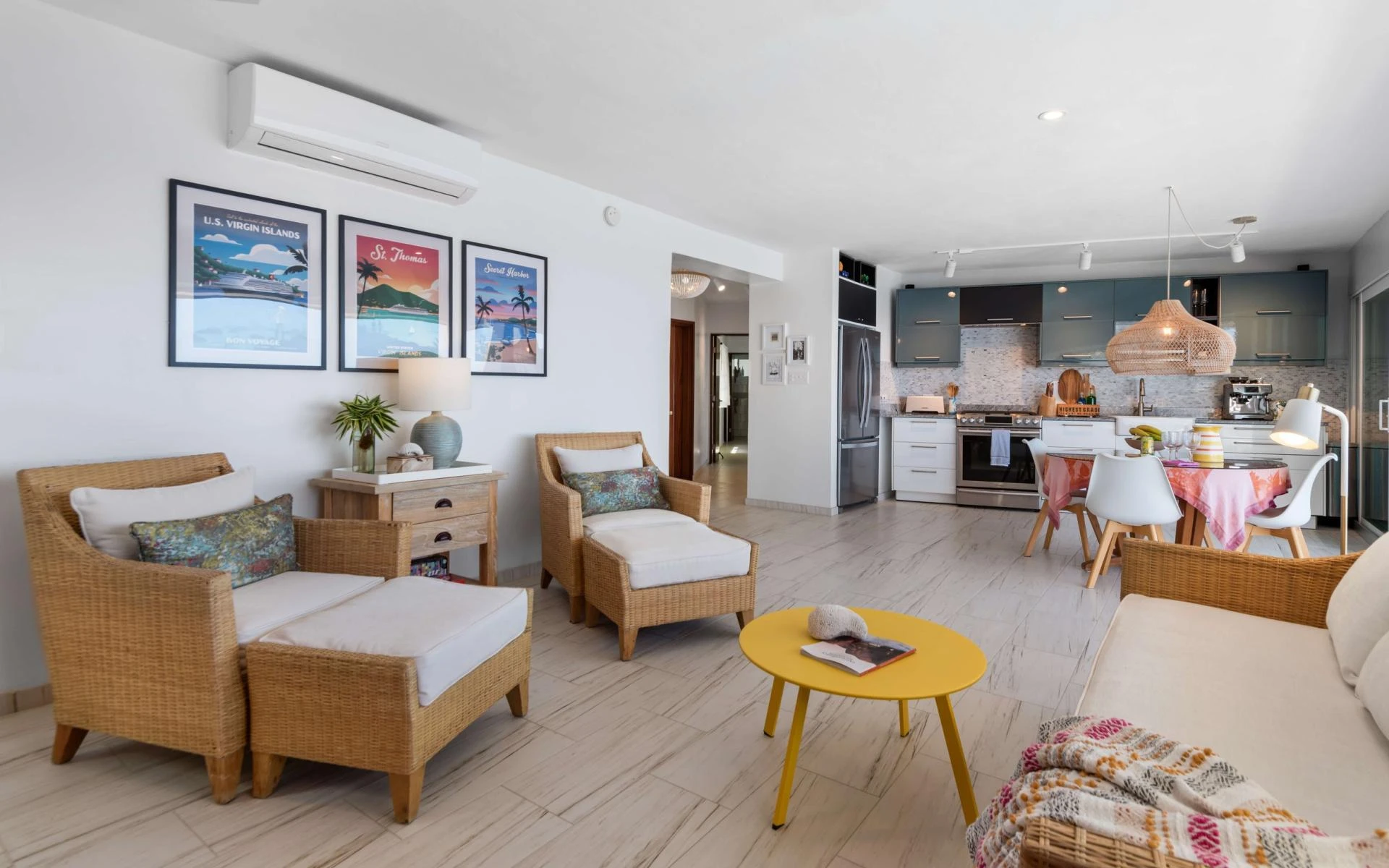
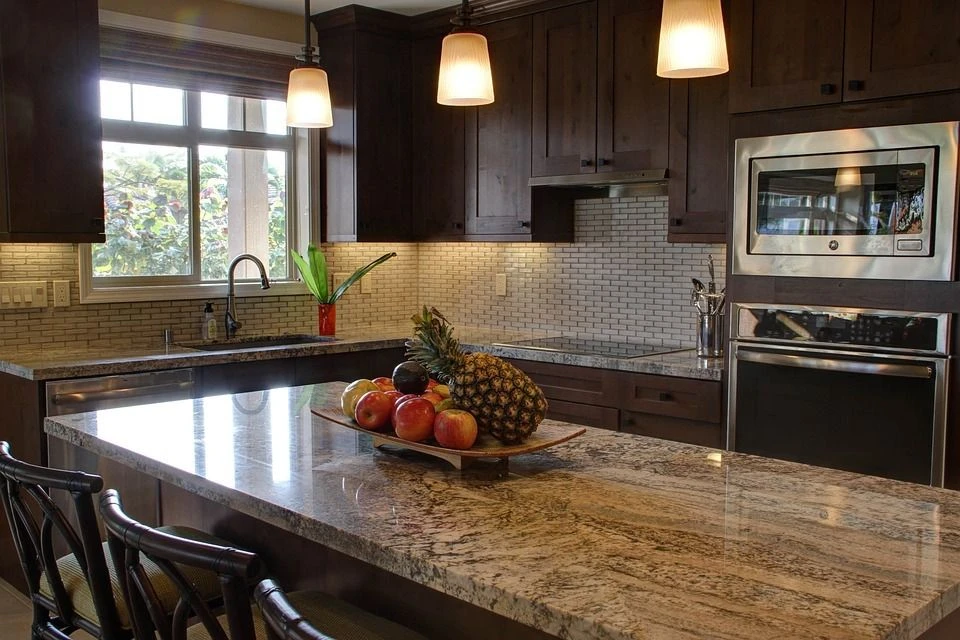
Even the best HDR photography cannot fix cluttered or poorly staged rooms. Before shooting, ensure the property is clean, organized, and styled appropriately. Remove personal items and excess furniture to create a spacious feel.
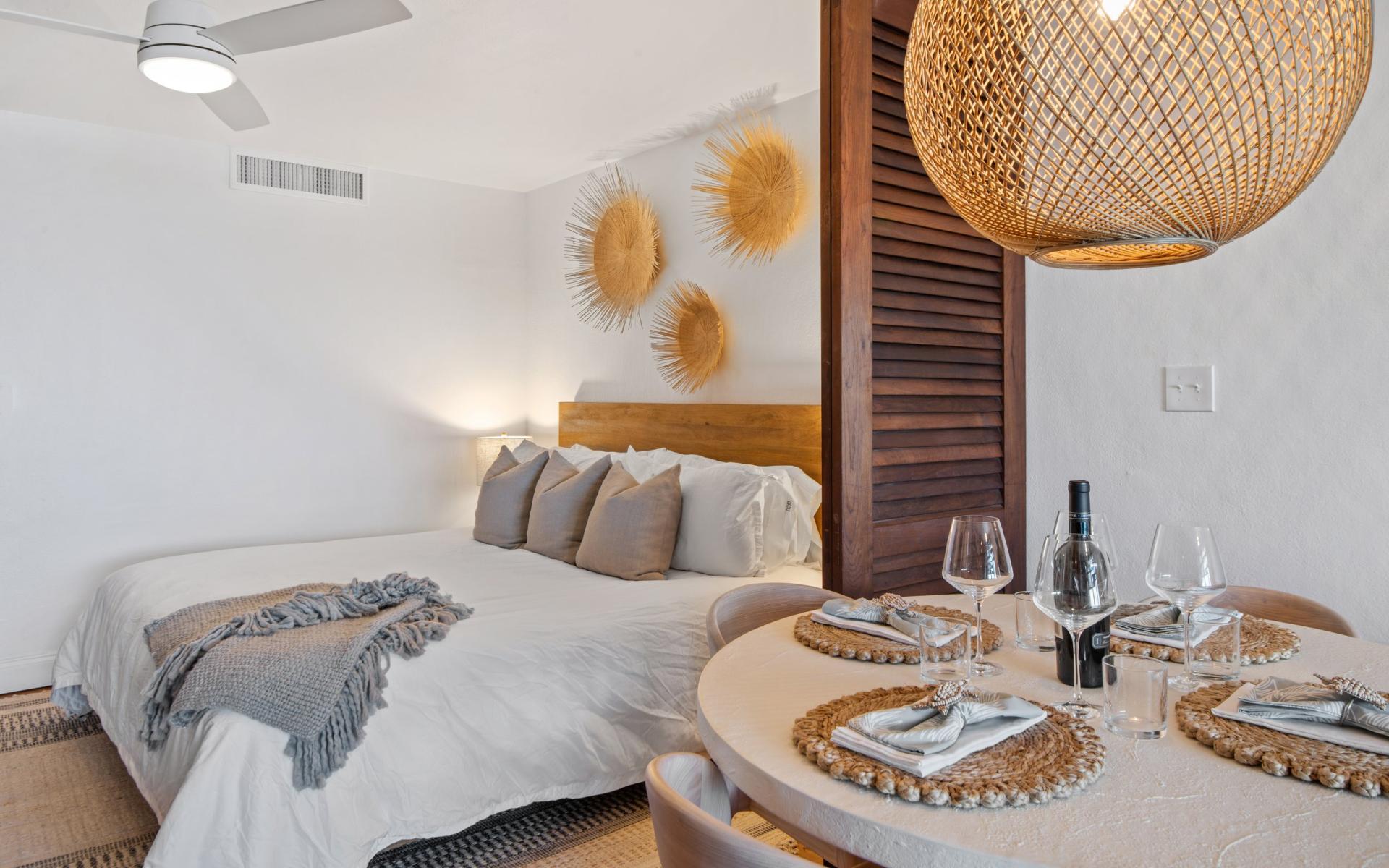
Simple touches like fresh flowers, neatly arranged cushions, or well-placed décor can significantly enhance the visual appeal of the final images.
Why HDR Photography Matters in Real Estate
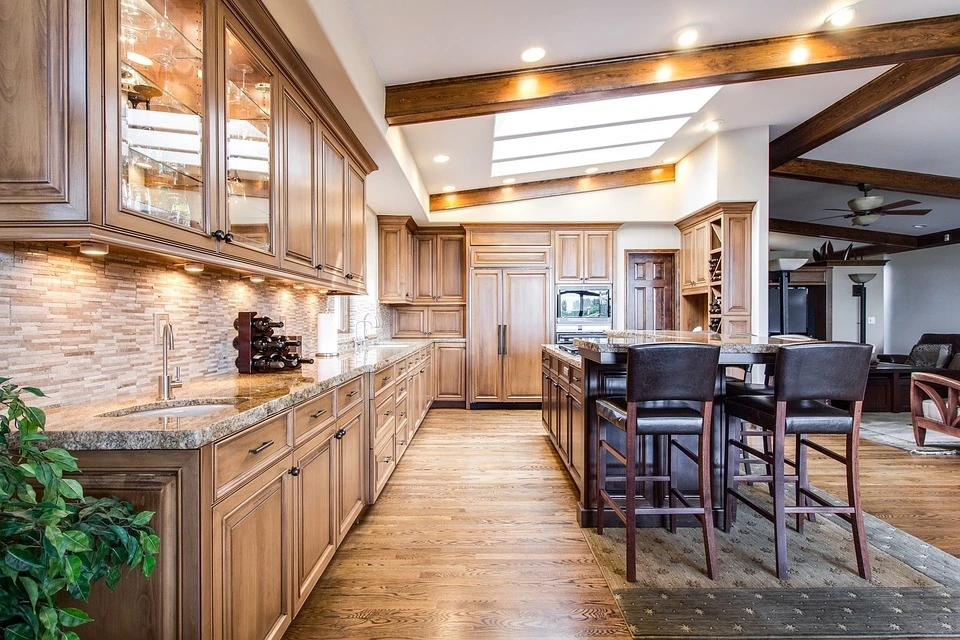
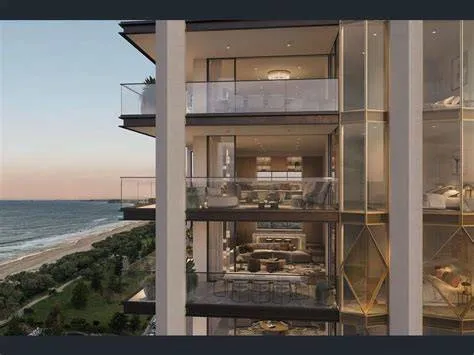
High-quality visuals directly impact buyer interest. Listings with professionally captured HDR images often receive more views and inquiries. Buyers are more likely to book a showing when photos clearly showcase room size, layout, and natural light.
In a digital-first market, strong visuals aren’t optional—they’re essential.
If you're looking to create stunning property visuals that truly stand out, trust MediaBoost.VI for expert HDR photography services designed to elevate your real estate listings.
FAQs
1. Is HDR photography suitable for all properties?
Yes, HDR photography works well for most residential and commercial properties, especially spaces with large windows or varying light conditions.
2. Can HDR photography make small rooms look bigger?
While it doesn’t physically change the space, HDR enhances lighting and detail, making rooms appear brighter and more open.
3. How long does it take to create HDR images?
The shooting process is quick, but editing can take time depending on the number of images and the level of detail required.




















Sign in to leave a comment.