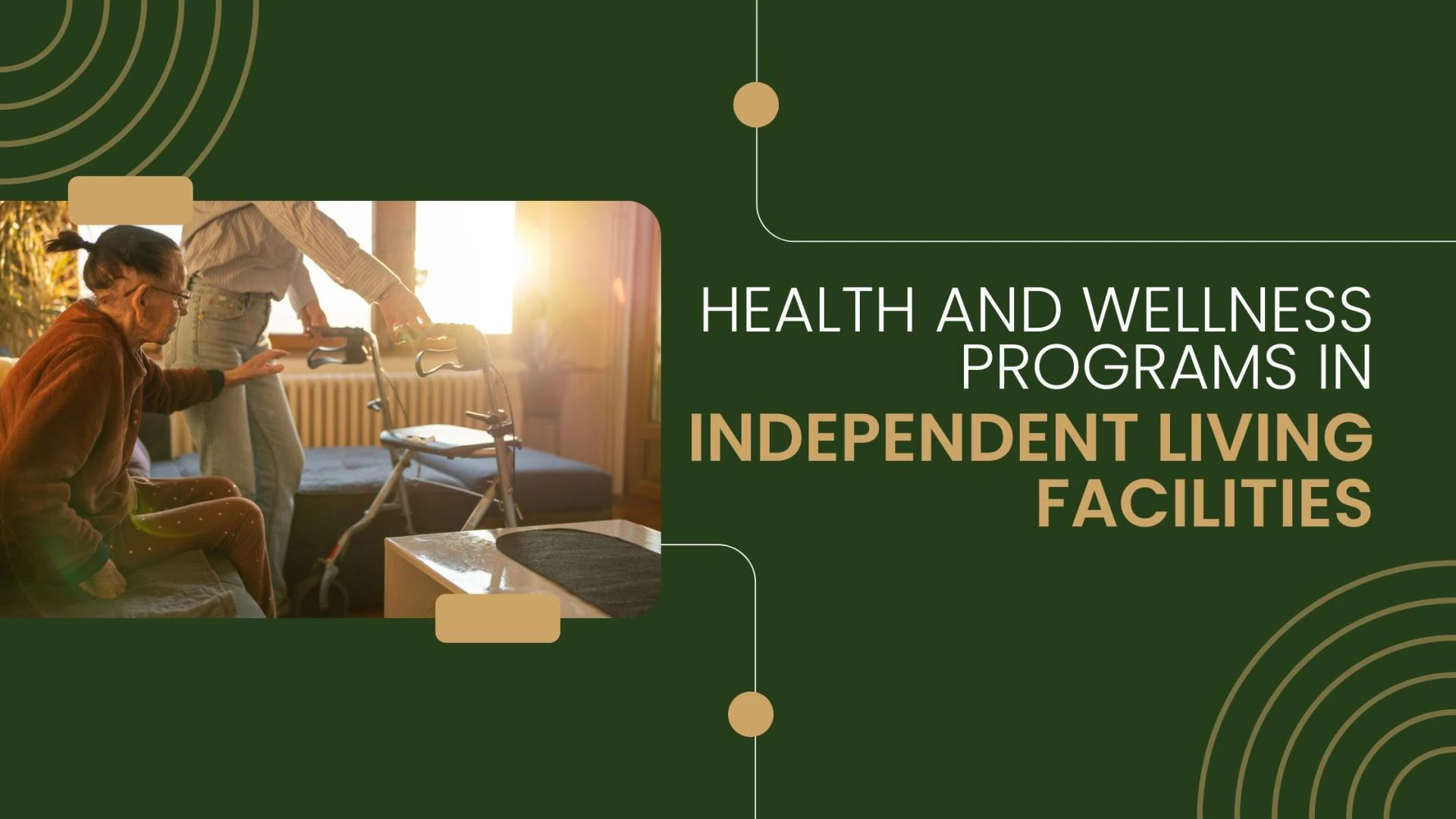

As the elderly population continues to grow, the demand for quality independent living facilities has risen significantly. These facilities, often known as elderly care homes or senior care home, provide more than just a place to live; they offer a lifestyle that promotes health, wellness, and independence. This article explores the various health and wellness programs available in independent living facilities, highlighting their importance and impact on residents' quality of life.
Understanding Independent Living Facilities
Independent living facilities are designed for seniors who are capable of managing their daily activities but seek a community environment that provides social opportunities and various levels of support. Unlike nursing homes or assisted living, these facilities cater to individuals who do not require extensive medical care but benefit from the structure and amenities provided by a communal living situation. Key features often include private apartments, communal dining, housekeeping services, transportation, and a wide range of social activities.
Importance of Health and Wellness Programs
Health and wellness programs are crucial components of independent living facilities. They play a vital role in maintaining and improving the physical, mental, and emotional well-being of residents. These programs are designed to address the unique health needs of seniors, promoting longevity and enhancing the quality of life. By participating in these programs, residents can stay active, manage chronic conditions, prevent illness, and enjoy a vibrant social life.
Types of Health and Wellness Programs
Physical Fitness ProgramsExercise Classes: Many independent living facilities offer a variety of exercise classes tailored to seniors' abilities and preferences. These can include yoga, Pilates, tai chi, water aerobics, and strength training. These classes help improve flexibility, balance, strength, and cardiovascular health.
Walking Clubs: Organized walking clubs encourage residents to stay active while enjoying the outdoors. Regular walking can improve cardiovascular health, boost mood, and reduce the risk of chronic diseases.
Fitness Centers: On-site fitness centers equipped with senior-friendly exercise machines and equipment provide residents with the opportunity to work out at their own pace. Trained staff are often available to assist with personalized fitness plans.
Nutritional ProgramsHealthy Dining Options: Independent living facilities typically offer nutritious meal plans that cater to the dietary needs of seniors. Meals are often prepared by professional chefs and dietitians who ensure a balanced diet rich in essential nutrients.
Nutrition Workshops: Educational workshops on nutrition help residents make informed dietary choices. These workshops cover topics such as managing diabetes, heart-healthy eating, and the importance of hydration.
Cooking Classes: Interactive cooking classes allow residents to learn how to prepare healthy meals. These classes often focus on simple, nutritious recipes that can be easily replicated at home.
Mental Health ProgramsCognitive Activities: Engaging in cognitive activities such as puzzles, brain games, and memory exercises can help maintain and improve cognitive function. Many facilities offer programs specifically designed to challenge the mind and keep it sharp.
Mental Health Support: Access to mental health professionals, such as counselors and therapists, provides residents with the support they need to manage stress, anxiety, and depression. Group therapy sessions and one-on-one counseling are often available.
Meditation and Mindfulness: Meditation and mindfulness classes help residents reduce stress and improve mental clarity. These practices promote relaxation and emotional well-being.
Social and Recreational ProgramsSocial Clubs: Independent living facilities offer a variety of social clubs and groups based on residents' interests, such as book clubs, gardening groups, and art classes. These clubs foster social interaction and create a sense of community.
Recreational Activities: Regularly scheduled recreational activities, including movie nights, game nights, and outings to local attractions, provide residents with fun and engaging ways to spend their time.
Volunteer Opportunities: Many facilities organize volunteer programs that allow residents to give back to the community. Volunteering can provide a sense of purpose and improve overall well-being.
Health Monitoring and Medical ServicesOn-Site Clinics: Some independent living facilities have on-site clinics where residents can receive basic medical services, such as blood pressure checks, flu shots, and routine health assessments.
Health Screenings: Regular health screenings for conditions such as hypertension, diabetes, and cholesterol help detect potential issues early and allow for timely intervention.
Wellness Coaching: Wellness coaches work with residents to create personalized health plans that address their individual needs and goals. These plans often include exercise, nutrition, and lifestyle recommendations.
Benefits of Health and Wellness Programs
Enhanced Physical HealthParticipating in regular physical activities and following a healthy diet can lead to improved physical health. Seniors who engage in exercise programs experience better mobility, reduced risk of falls, and improved cardiovascular health. Nutritional programs ensure that residents receive the necessary nutrients to maintain energy levels and support bodily functions.
Improved Mental HealthMental health programs help residents manage stress, anxiety, and depression. Cognitive activities keep the mind sharp and can slow the progression of cognitive decline. Access to mental health support ensures that residents have the resources they need to maintain emotional well-being.
Increased Social InteractionSocial and recreational programs create opportunities for residents to connect with others, reducing feelings of isolation and loneliness. Building strong social networks is essential for mental and emotional health, and these programs foster a sense of belonging and community.
Better Chronic Disease ManagementHealth monitoring and medical services enable residents to manage chronic conditions more effectively. Regular screenings and wellness coaching provide early detection and proactive management of health issues, leading to better overall health outcomes.
Enhanced Quality of LifeOverall, the comprehensive health and wellness programs offered by independent living facilities contribute to an enhanced quality of life for residents. By addressing physical, mental, and social needs, these programs ensure that seniors can enjoy a fulfilling and independent lifestyle.
Conclusion
Independent living facilities play a crucial role in supporting the health and wellness of their residents. Through a diverse range of programs, from physical fitness and nutrition to mental health and social activities, these facilities provide a holistic approach to elderly care home. The benefits of such programs are manifold, leading to improved physical and mental health, increased social interaction, and a higher quality of life. For seniors and their families, choosing an independent living facility that prioritizes health and wellness is a step towards ensuring a happy, healthy, and vibrant senior life.




























Sign in to leave a comment.