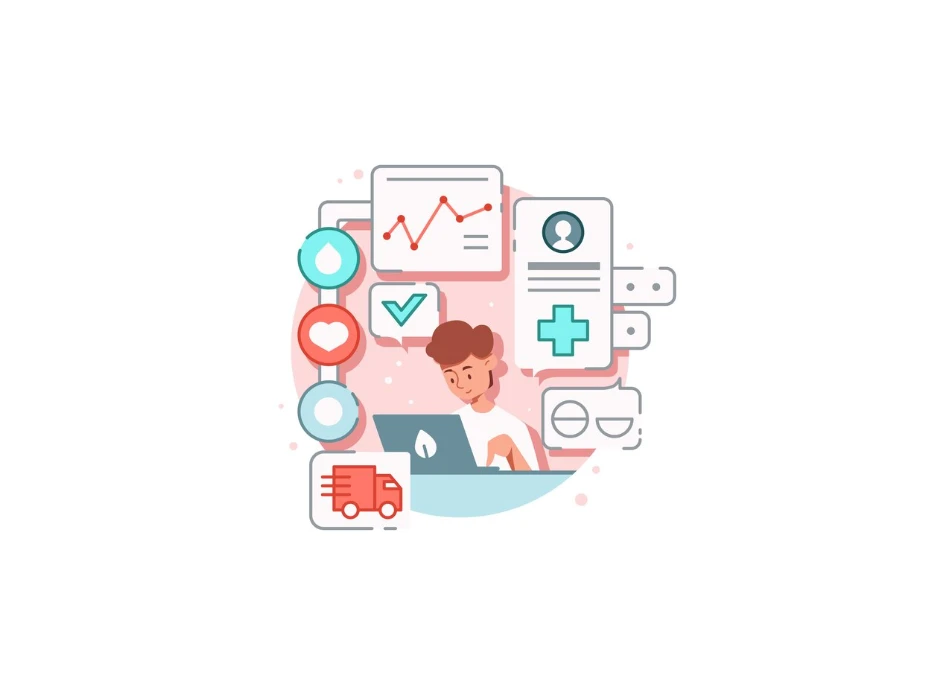

In today’s patient-centric healthcare landscape, care providers must do more than deliver high-quality treatments. They must also focus on communication, trust-building, and personalized services. This is where Healthcare CRM Software Development comes into play—by offering an integrated solution for managing patient data, optimizing care pathways, and fostering long-term relationships. When coupled with the specialized expertise of a custom healthcare software development company, healthcare providers can create tailored CRM platforms that drive better outcomes and operational efficiency.
In this article, we will explore how healthcare CRM systems differ from traditional customer relationship management platforms, delve into their core features, discuss implementation best practices, and highlight potential challenges. By the end, you’ll have a robust understanding of why healthcare CRM solutions are becoming indispensable for modern medical institutions and how they can profoundly transform patient care.
1. Understanding Healthcare CRM: More Than Just Customer Management
1.1 The Unique Demands of Healthcare
Typical CRM systems focus on managing leads, sales funnels, and customer interactions. In the healthcare context, the “customer” is a patient, and the interactions revolve around clinical care, follow-ups, insurance claims, and well-being outcomes. Healthcare CRM software must integrate with Electronic Health Records (EHRs), maintain HIPAA compliance, and handle sensitive data like lab results or personal health information.
Key distinctions from a standard CRM include:
- Compliance and Security: Strict adherence to data protection regulations.
- Deep Integration: Ties to billing software, EHR systems, telemedicine portals, etc.
- Patient Engagement: Appointment scheduling, follow-up reminders, educational content.
1.2 From Transactional to Relationship-Centric
Healthcare has increasingly shifted toward a value-based model, focusing on long-term patient wellness rather than episodic treatments. CRM platforms enable this approach by collating individual data points—clinical history, lifestyle information, and communication preferences—into a single, accessible profile. This 360-degree view fosters personalized care and ensures every provider interaction aligns with the patient’s broader health journey.
2. Core Features of a Healthcare CRM System
2.1 Patient Profiling and Segmentation
Healthcare organizations cater to diverse patient populations, from chronic care patients to those seeking cosmetic procedures. CRM software categorizes patients by medical conditions, demographics, or risk levels. This segmentation enables targeted outreach, such as vaccination reminders for specific age groups or custom wellness programs for diabetic patients.
2.2 Appointment and Follow-Up Management
Missed appointments can affect patient outcomes and revenue. CRM modules automate reminders via email, SMS, or in-app notifications. Once an appointment is completed, the system can also trigger follow-up messages—requesting feedback, reminding patients about medication adherence, or scheduling subsequent visits.
2.3 Marketing Automation
Even in healthcare, marketing is essential for building brand visibility, patient loyalty, and community trust. CRM platforms allow healthcare organizations to:
- Launch Targeted Campaigns: Create email, SMS, or social media outreach for specific patient groups.
- Track Engagement: Monitor open rates, appointment bookings, or event attendance.
- ROI Analysis: Assess how many patients in a campaign schedule follow-up treatments or wellness checks.
2.4 Communication and Collaboration Tools
Seamless communication between providers, patients, and support staff is critical. CRM solutions often feature built-in messaging systems and shared calendars. Care teams can exchange real-time updates about a patient’s condition, ensuring everyone remains on the same page, while patients benefit from prompt responses to inquiries or concerns.
2.5 Analytics and Reporting
Modern healthcare CRM systems generate insights into patient trends, staff performance, and overall resource allocation. With robust analytics:
- Identify Gaps: Spot areas of improvement, such as longer wait times in certain departments.
- Predict Patient Needs: Use historical data to anticipate demand for seasonal services like flu shots.
- Optimize Costs: Reveal inefficiencies in scheduling, staff allocation, or billing procedures.
3. The Role of a Custom Healthcare Software Development Company
Off-the-shelf CRM solutions might not always align with a healthcare organization’s unique workflows, legacy systems, or regional regulations. A custom healthcare software development company can bridge this gap by:
- Tailoring Functionalities: Your institution may require specialized modules—like telemedicine integrations, real-time vital monitoring, or AI-driven risk scoring. Developers build these capabilities from scratch or adapt existing frameworks, ensuring they blend seamlessly with your operations.
- Ensuring Interoperability: Healthcare organizations often rely on multiple IT solutions—EHR platforms, billing software, insurance portals. Custom developers can design APIs or data models that facilitate smooth data exchange, preventing silos and redundancy.
- Security and Compliance: Regulations such as HIPAA (in the United States) demand stringent data protection standards. A specialized development firm will embed robust encryption, role-based access controls, and audit trails to maintain compliance and protect patient confidentiality.
- Scalability and Future-Readiness: As your healthcare organization grows or adopts new technologies (e.g., wearable devices), the CRM must scale accordingly. Custom solutions are typically more flexible in accommodating updates, new data streams, and evolving user demands.
4. Key Steps in Healthcare CRM Software Development
4.1 Requirements Gathering
Start by auditing existing workflows and identifying pain points. Are patient no-shows draining resources? Is communication between departments siloed? Clarifying your goals—reducing missed appointments, improving chronic care management, boosting patient satisfaction—lays a solid foundation for the development process.
4.2 Design and Prototyping
Next, the development team sketches user flows and interface designs. In healthcare, user experience is critical; front-desk staff, nurses, doctors, and patients may all interact with the system. Prototypes facilitate early feedback, preventing costly redesigns down the line.
4.3 Development and Integration
Developers then code core functionalities—like patient dashboards, appointment modules, or analytics engines. During this phase, they work closely with EHR vendors or other software providers to ensure data synchronization. Testing is extensive, involving security audits, performance checks, and user acceptance tests.
4.4 Deployment and Training
Once the software is validated, it’s rolled out in a production environment. Training sessions help staff embrace new features, with user-friendly tutorials, help documents, or in-person demonstrations. A gradual approach—deploying modules in phases—often eases the transition.
4.5 Continuous Improvement
The post-launch phase is crucial. Gathering feedback from frontline staff and patients allows developers to refine features. Regular updates, bug fixes, and enhancements ensure the CRM remains aligned with evolving healthcare standards and patient expectations.
5. Key Benefits of Healthcare CRM Solutions
5.1 Enhanced Patient Engagement
From personalized reminders to educational newsletters, CRM tools keep patients informed and involved in their care. Engaged patients are more likely to follow treatment plans, attend check-ups, and proactively manage their health conditions.
5.2 Operational Efficiency
Automating routine tasks like appointment scheduling, follow-up emails, or data entry frees up staff for more complex, high-value activities. Moreover, centralized dashboards reduce time spent navigating multiple systems, improving overall productivity.
5.3 Improved Care Coordination
Healthcare CRM platforms act as a single source of truth for patient data. Physicians, nurses, and administrative staff can access real-time updates on a patient’s treatments, past visits, or lab results. This synergy minimizes errors—such as conflicting prescriptions—and expedites decision-making.
5.4 Data-Driven Decision-Making
Powerful analytics features guide administrators in making informed decisions. By analyzing patient inflows, clinic usage rates, or staff performance metrics, leadership can spot trends, allocate resources efficiently, and craft strategic growth plans.
5.5 Higher Patient Retention and Loyalty
A well-structured CRM experience—timely communication, minimal wait times, smooth billing processes—makes patients feel valued. Satisfied patients not only return for future treatments but also become ambassadors for the healthcare brand, referring family and friends.
6. Potential Challenges and How to Overcome Them
6.1 High Implementation Costs
Investing in CRM development, especially with a custom solution, can be costly. However, a phased deployment approach—focusing first on high-impact modules—can spread costs over time and demonstrate quick wins that justify further investment.
6.2 Data Migration and Interoperability
Migrating from legacy systems or integrating new modules can be daunting, risking data duplication or conflicts. Carefully planned data mapping, pilot testing, and collaboration with IT teams are vital to avoid disruptions or compromised data integrity.
6.3 User Resistance
Administrative or clinical staff may hesitate to adopt new technology, fearing complexity or added workload. Comprehensive training, user-friendly interfaces, and ongoing support help mitigate resistance, fostering a positive attitude toward the new system.
6.4 Security and Privacy Concerns
With healthcare data among the most sensitive, even small breaches can have significant consequences. Regular security audits, end-to-end encryption, and strict role-based permissions are critical for maintaining trust and compliance.
6.5 Regulatory Compliance Complexities
Beyond HIPAA, various states or countries have unique healthcare regulations. Partnering with a custom healthcare software development company well-versed in these standards ensures your CRM remains compliant across multiple jurisdictions.
7. Future Trends in Healthcare CRM
7.1 AI-Powered Patient Insights
Machine learning algorithms can identify risk factors or predict patient needs, enabling providers to intervene earlier. For instance, an AI engine might flag high-risk diabetic patients who need more frequent check-ups or nutritional counseling.
7.2 Telehealth and Remote Monitoring Integration
With telehealth becoming mainstream, CRM platforms will increasingly integrate video consultations and remote patient monitoring data. This unification ensures a consistent patient record, whether care is delivered on-site or virtually.
7.3 Wearable Device Analytics
Wearables like smartwatches or fitness trackers continuously gather health metrics such as heart rate, sleep patterns, or physical activity. CRM systems that ingest and analyze this data provide richer insights, fostering more proactive care strategies.
7.4 Voice and Chatbot Interfaces
Conversational AI will likely gain traction, simplifying tasks like appointment scheduling or prescription refills. Patients can interact with chatbots 24/7 for basic inquiries, ensuring continuous engagement without overburdening staff.
7.5 Omnichannel Patient Experiences
The next wave of healthcare CRM may focus on delivering seamless experiences across multiple touchpoints—websites, mobile apps, physical clinics, or social media platforms. Synchronized interactions build trust and convenience.
Conclusion
Healthcare CRM Software Development stands at the heart of a paradigm shift in how healthcare providers interact with patients—moving from transactional, episodic care to holistic, long-term engagement. By consolidating patient data, automating administrative tasks, and offering advanced analytics, CRM solutions can drastically improve outcomes and efficiency. Collaborating with a custom healthcare software development company ensures a tailored approach that aligns with your facility’s unique needs, compliance mandates, and growth objectives.
As the industry pivots to patient-centric models, CRM will increasingly act as the nexus for communication, data exchange, and decision-making. Whether you run a small clinic or manage a vast hospital network, adopting a robust healthcare CRM solution is no longer a luxury—it’s an essential step toward thriving in the modern healthcare ecosystem.
FAQ
1. What is healthcare CRM software?
Healthcare CRM software is a specialized platform designed to manage and enhance interactions with patients throughout their care journey. It consolidates patient data, enables automated communications, and integrates with EHR systems to streamline administrative and clinical workflows.
2. How does a custom healthcare software development company help in CRM implementation?
Such a company tailors CRM functionalities to your organization’s specific needs, ensuring seamless interoperability with existing systems and compliance with relevant healthcare regulations like HIPAA. This customized approach delivers greater efficiency and scalability.
3. Is healthcare CRM only useful for large hospitals?
No. Clinics, outpatient centers, and even private practices can benefit from healthcare CRM tools. They optimize patient scheduling, enable targeted outreach, and improve overall patient engagement—regardless of the organization’s size.
4. How do CRM systems maintain data security and privacy?
Modern CRM solutions employ end-to-end encryption, role-based access controls, and regular security audits to protect sensitive health data. Compliance with HIPAA or GDPR is typically built into the platform’s architecture.
5. What’s the ROI of healthcare CRM software?
While implementation can require significant upfront costs, improved patient retention, reduced no-shows, automated administrative tasks, and optimized workflows often generate substantial long-term savings. Enhanced patient satisfaction also leads to stronger word-of-mouth referrals.
























Sign in to leave a comment.