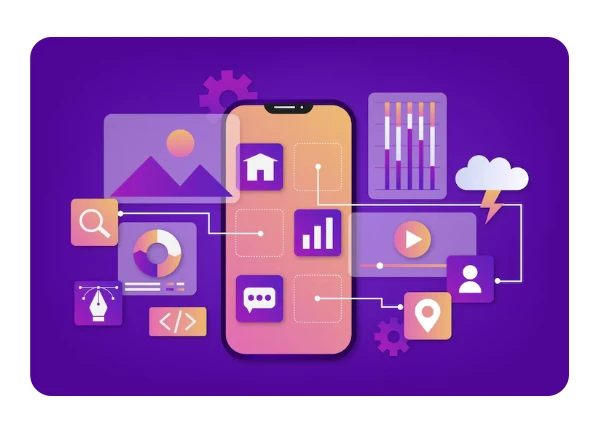

The way we consume entertainment has changed forever. What once relied on cinema halls and cable TV has now shifted to smartphones, tablets, smart TVs, and even AR/VR headsets. This dramatic shift has created an overwhelming demand for high-performance, user-centric, and scalable entertainment applications. For businesses, creators, and media houses, investing in entertainment application development is no longer an option, it’s a necessity.
Let’s explore what’s driving this digital wave, what modern users expect, and why custom-built entertainment apps are redefining success in the media industry.
The Rise of Digital Entertainment
The digital entertainment industry has witnessed explosive growth in the last decade. From streaming platforms and gaming apps to virtual concerts and fan engagement tools, the landscape has become app-first.
According to Grand View Research, the global digital entertainment market is projected to reach $1.7 trillion by 2030, growing at a CAGR of 11.6 percent. Mobile applications are central to this growth, as over 80 percent of digital media is now consumed through apps.
This boom has created new opportunities and new expectations.
User Behavior Has Changed
Modern users are not just consuming content. They are interacting with it, curating it, and expecting it to adapt to their preferences in real time.
Whether it’s binging Netflix, scrolling Spotify playlists, or playing Fortnite on mobile, users expect:
- Ultra-fast load times
- Smart content recommendations
- Seamless UI across devices
- Personalization that understands them
Entertainment applications need to be more than functional, they need to be immersive, intuitive, and intelligent.
Features That Define Great Entertainment Apps
To meet rising expectations, modern entertainment apps are incorporating innovative features such as:
- AI-based Recommendations: 80 percent of Netflix’s watch time comes from its recommendation engine. Users want content that feels tailor-made.
- Live Streaming and Interactivity: Twitch and YouTube Live have set new benchmarks for user engagement with live polls, reactions, and real-time chats.
- Offline Access and Downloads: Users now expect content availability even in low connectivity zones, making smart caching and DRM essential.
- Gamification and Social Sharing: Points, badges, leaderboards, and shareable moments enhance stickiness and virality.
- Voice and Gesture Controls: As smart TVs and wearables gain popularity, intuitive input options are becoming critical.
A robust entertainment app must incorporate these elements to meet user expectations and differentiate in a crowded market.
The Role of AI in Entertainment Apps
AI is the game-changer in today’s app development ecosystem. It doesn’t just enhance functionality, it defines the user journey.
AI enables:
- Content Personalization: Platforms like Spotify use listening history and mood data to auto-curate daily mixes and discover playlists.
- Automated Tagging: AI can scan, label, and index thousands of hours of video to make them searchable.
- Real-Time Moderation: NLP and machine vision detect inappropriate content and keep communities safe.
- Dynamic UX Adjustments: Apps like TikTok adjust interface layouts in real time based on user behavior.
A Deloitte study found that companies integrating AI into their entertainment platforms reported 30 percent higher engagement rates and 25 percent better ad targeting accuracy.
Building for Scalability and Performance
One of the biggest technical challenges in entertainment application development is building for scale. When a new show or game goes viral, can the infrastructure handle millions of simultaneous users?
Scalable apps need:
- Robust cloud architecture (AWS, GCP, Azure)
- Efficient content delivery networks (CDNs) for fast streaming
- Auto-scaling backends that adjust based on user load
- 24/7 monitoring and analytics dashboards
Failure to prepare for scale can result in downtime, user frustration, and churn as seen with app crashes during high-demand live events.
Monetization Models That Work
Entertainment apps are no longer dependent on traditional ad models. Multiple revenue streams now drive profitability:
- Subscriptions (SVOD): Netflix, Disney+, and others thrive on monthly recurring revenue.
- Freemium + In-App Purchases: Games like Candy Crush and apps like Headspace follow this successful model.
- Ad-Supported (AVOD): Free access in exchange for ad views widely used in music and regional content platforms.
- Transaction-Based Access: Pay-per-view sports, concerts, or movie releases offer direct value for exclusive content.
Choosing the right model depends on your audience, content type, and region. A flexible, modular architecture enables you to experiment and scale.
Security and Compliance Are Non-Negotiable
As content goes digital, so do piracy risks. App developers must ensure content is protected and compliant with global data laws.
Important measures include:
- Digital Rights Management (DRM)
- End-to-end encryption for video streams
- Role-based access control for admin dashboards
- GDPR, COPPA, and regional data law compliance
Without proper safeguards, even the best content can be compromised.
Choosing the Right Development Partner
Developing an entertainment application requires a fine blend of creativity, engineering, UX expertise, and domain understanding. Not every app developer fits this mold.
A specialized entertainment app development team will:
- Understand media workflows and audience behavior
- Design stunning yet simple UIs for cross-platform users
- Build cloud-native apps with future-proof infrastructure
- Incorporate AI, ML, and streaming protocols seamlessly
- Deliver rapid prototyping and agile releases
Choosing the right partner saves time, reduces costs, and ensures faster go-to-market all while keeping the user experience at the center.
Looking Ahead: Entertainment Is Getting Smarter
The future of entertainment is hyper-personalized, cross-platform, and community-driven. With Gen Z and Gen Alpha as the dominant content consumers, only those who adapt fast will survive.
If you're in the media industry or a startup looking to launch the next viral entertainment platform, now is the time to invest in custom entertainment application development. With the right strategy and execution, your app could become the next household name.























Sign in to leave a comment.