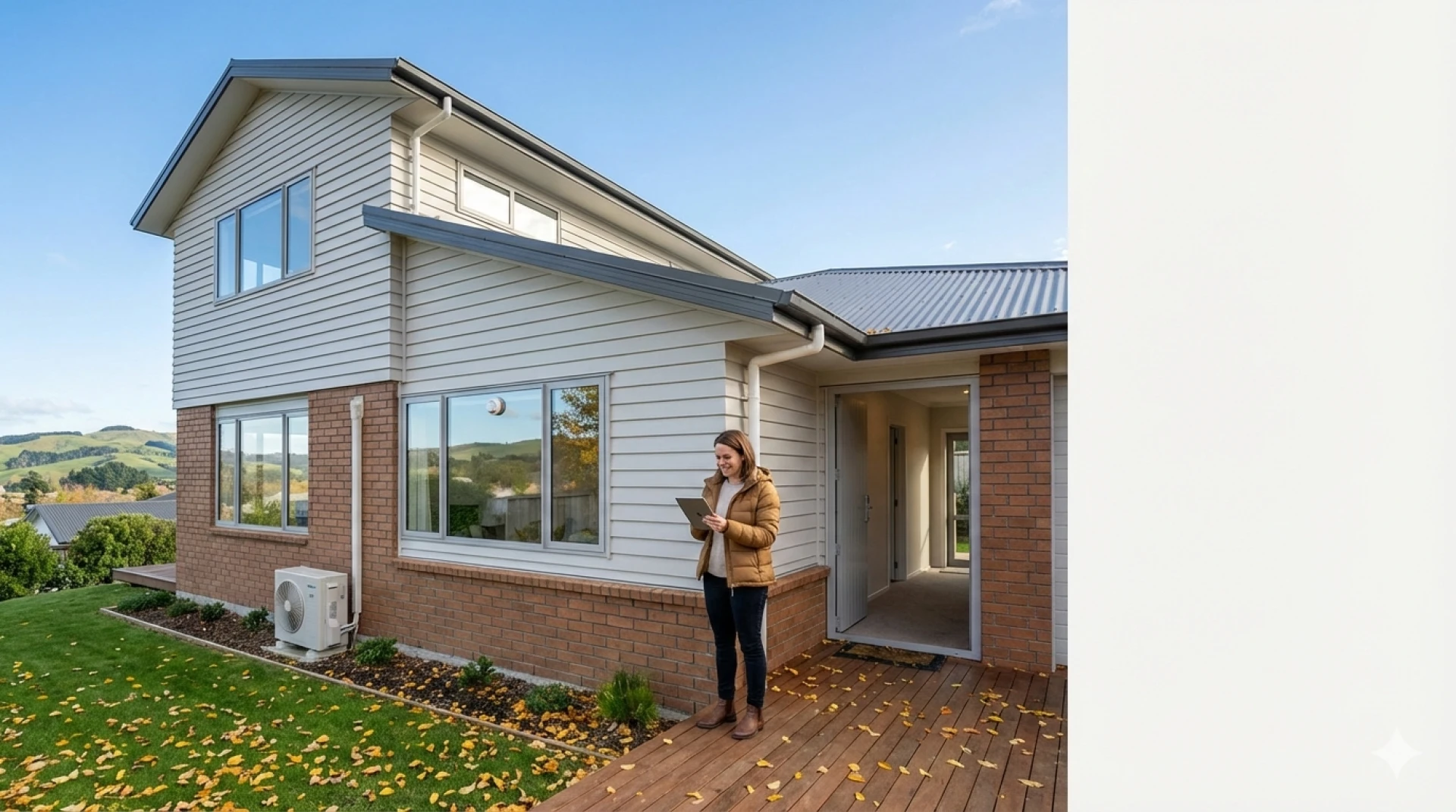

Healthy Homes Compliance and Seasonal Property Maintenance for New Zealand Homes
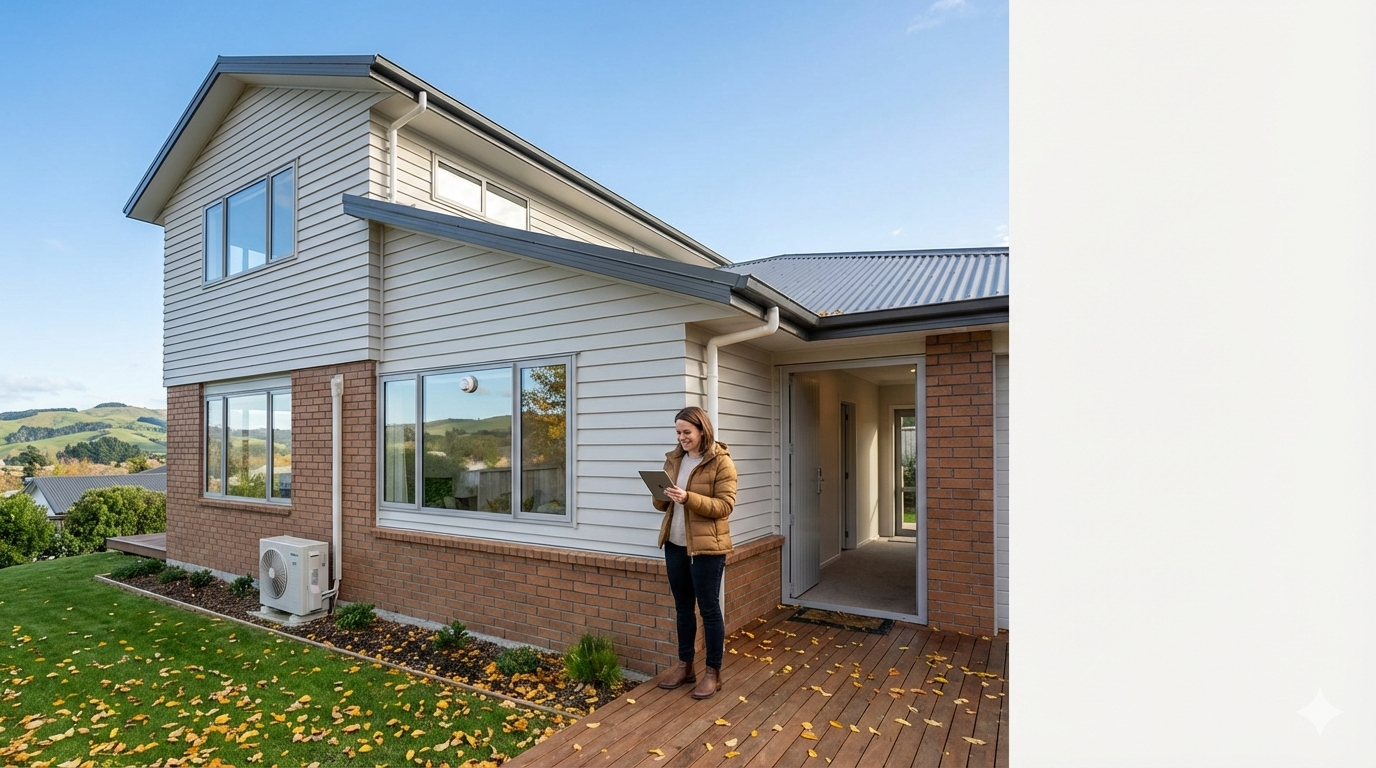
That persistent drip-drip-drip from the ceiling. A window that refuses to close properly. It often starts small, but small issues have a knack for turning into big, expensive headaches if left unchecked.
For New Zealand homeowners and landlords, staying on top of property maintenance isn't just about keeping up appearances. It's about protecting your investment, ensuring your home is safe and warm, and meeting legal obligations.
A proactive approach to seasonal care can save you thousands in the long run. This guide provides a practical checklist to help you manage your home through the seasons, keeping it compliant and comfortable.
Why Seasonal Maintenance Matters in New Zealand
New Zealand's weather can be unpredictable. The shift from a long, dry summer to a wet and windy winter puts immense stress on a building's exterior and interior systems.
Moisture is the primary enemy. It can lead to mould, rot, and structural damage that is costly to fix. Regular checks help you catch these issues before they escalate, which is a core principle behind the Healthy Homes standards in New Zealand. A simple, timely repair is always better than a major overhaul.
Aligning with Healthy Homes Standards
For landlords, maintaining a property is a legal requirement. The Healthy Homes standards set minimum requirements for heating, insulation, ventilation, moisture ingress, and drainage.
Even if you're a homeowner, these standards offer a brilliant framework for ensuring your property is warm, dry, and healthy for your family. A proper healthy homes assessment can reveal areas needing attention, from draughts to drainage problems.
Your Seasonal Property Maintenance Checklist
Think of this as a regular health check-up for your home. Breaking tasks down by season makes them more manageable and ensures you're tackling the right issues at the right time. For ongoing support, many homeowners find that using professional property maintenance services provides peace of mind.
Autumn Checklist (March - May)
This is your prep time for winter. Focus on water-proofing and clearing debris.
- Clear gutters and downpipes
- Inspect roof for loose tiles
- Check and seal window drafts
- Test smoke alarms
- Service heat pumps or fireplaces
Winter Checklist (June - August)
Winter is about managing moisture and maintaining warmth.
- Check for indoor condensation
- Ventilate bathrooms and kitchens
- Look for leaks after heavy rain
- Ensure insulation is dry
- Prune trees away from powerlines
Spring Checklist (September - November)
As things warm up, it's time for a deep clean and inspection.
- Wash house exterior and windows
- Check for winter-related damage
- Inspect decks for rot or damage
- Clean out ventilation systems
- Plan larger residential building repairs
Key Areas to Inspect Regularly
Some parts of your home need more frequent attention than others. Getting familiar with these key areas will help you spot trouble early.
Roofs and Gutters
Your roof is your first line of defence against the elements. A small leak can cause significant damage to your ceiling, walls, and insulation over time.
Regular roof and gutter cleaning is non-negotiable. Clogged gutters can cause water to overflow back into the roof cavity or down exterior walls. If you spot damage, addressing guttering repairs quickly is crucial. For peace of mind, consider professional roof maintenance services.
Kitchens and Bathrooms
These wet areas are hotspots for problems. Constant exposure to water and steam means you need to be vigilant about leaks, mould, and ventilation.
Check under sinks for drips and inspect sealant around tubs and showers. A small crack can lead to a bathroom wall repair or even a bathroom floor repair if water seeps through. Timely kitchen maintenance services can prevent minor issues from becoming major renovations. If you're facing persistent problems, a professional kitchen repair company can offer expert solutions.
Finding the Right Help for Repairs
Sometimes, a job is too big or complex for a DIY fix. When you need professional help, it’s important to find a qualified and trustworthy contractor.
Always ask for proof of licenses and insurance. Check references and look at examples of their past work. Getting multiple quotes for residential property repairs is smart, but don't just choose the cheapest option. Quality workmanship is an investment. For complex projects like bathroom repairs and renovations, finding the right team is essential.
Keep in mind that good contractors are often busy. It can take 4 to 8 weeks to get a project scheduled, so plan ahead, especially if you're looking for "building repairs near me" during a busy season.
Keeping Your Home Healthy and Secure
Staying on top of property maintenance is one of the most effective ways to protect the value and integrity of your home. A little effort each season prevents small issues from spiralling into costly emergencies.
By being proactive, you ensure your home remains a safe, dry, and comfortable space for years to come.
Frequently Asked Questions (FAQ)
How often should I inspect my roof?
A visual inspection from the ground every six months is a good habit. A professional check is recommended every 2 to 3 years, or after a severe storm.
What are the most common signs of a water leak?
Look for musty smells, water stains on ceilings or walls, bubbling paint, or warped flooring. These are all red flags that need investigating.
Can I do my own healthy homes assessment?
While you can follow a checklist for your own benefit, landlords must have a formal assessment done by a professional to ensure compliance with New Zealand's standards.
How often should I inspect my roof?
A visual inspection from the ground every six months is a good habit. A professional check is recommended every 2 to 3 years, or after a severe storm.
What are the most common signs of a water leak?
Look for musty smells, water stains on ceilings or walls, bubbling paint, or warped flooring. These are all red flags that need investigating.
Can I do my own healthy homes assessment?
While you can follow a checklist for your own benefit, landlords must have a formal assessment done by a professional to ensure compliance with New Zealand's standards.


























Sign in to leave a comment.