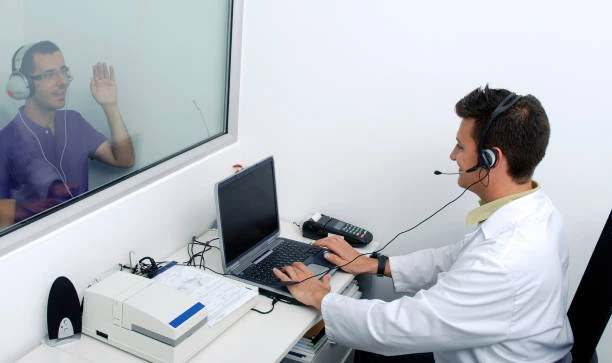

Hearing aids are life changing devices, allowing millions of people to enjoy clearer sound and better communication every day. However, like any delicate electronic device, they require proper care to function at their best. One of the most common challenges for hearing aid users is ear wax, which can affect sound quality and even damage the device if not handled correctly. Understanding how to safely cleaning of hearing aids ear wax manage ear wax and maintain your hearing aids is essential for longevity and optimal performance.
Why Ear Wax Affects Hearing Aids
Ear wax, also known as cerumen, is a natural substance produced by the body to protect the ear canal from dust, bacteria, and other foreign particles. While beneficial in moderation, ear wax can pose a problem for hearing aid users. Wax buildup can block the microphone and receiver of the device, resulting in muffled sound, feedback, or even complete malfunction.
Cleaning hearing aids ear wax properly is crucial to avoid these issues. Regular maintenance prevents wax accumulation from compromising the device’s performance and ensures clear, reliable sound.
Signs Your Hearing Aids Need Cleaning
Being proactive about cleaning your hearing aids can save you from costly repairs. Common signs that ear wax is affecting your hearing aids include:
- Muffled or distorted sound: If voices sound unclear or distant, wax might be blocking the receiver.
- Feedback or whistling noises: Wax buildup can cause unwanted whistling or feedback when the device is in use.
- Reduced battery life: Excess wax can strain the device, causing it to use more power.
- Physical blockage: Visible wax on the tip or in the ear mold indicates immediate cleaning is necessary.
Noticing these signs early allows you to address the issue before it becomes a bigger problem.
Step-by-Step Guide to Cleaning Hearing Aids Ear Wax
Proper cleaning of hearing aids involves gentle techniques and specialized tools. Here’s a step-by-step approach:
- Gather the Right Tools
Use the cleaning kit provided by your hearing aid manufacturer. Typically, this includes a small brush, a wire loop or pick, and a soft cloth. Avoid using sharp objects like pins or scissors, as these can easily damage the delicate components. - Remove Ear Molds or Domes
Many hearing aids have removable ear molds or domes. Take them off carefully before cleaning. This ensures you can access areas where wax accumulates without putting stress on the main device. - Brush Away Loose Wax
Use the soft brush to gently remove wax from the exterior and openings. Brush in a downward motion to prevent pushing wax further into the device. Regular brushing prevents wax buildup before it becomes a serious problem. - Clear the Receiver and Microphone
If your hearing aid has a wax guard or filter, inspect it regularly. Replace the guard according to the manufacturer’s instructions. For small openings, a wire loop can help remove trapped wax, but it should be used very carefully to avoid damage. - Wipe Down the Device
After brushing and clearing openings, use a soft, dry cloth to wipe the surface of the hearing aid. Avoid using water or cleaning solutions unless specified by the manufacturer, as moisture can damage electronic components. - Reassemble and Test
Once your hearing aid is clean, reattach any removable parts and turn on the device. Check for clear sound quality and proper function. Regular testing ensures that any wax-related issues are caught early.
Preventive Tips to Reduce Wax Buildup
While regular cleaning is essential, prevention can save time and protect your hearing aids:
- Visit an audiologist regularly: Professional ear cleaning ensures that wax doesn’t accumulate excessively.
- Use wax guards consistently: These small filters protect the receiver from wax and can be replaced as needed.
- Keep ears dry: Moisture can mix with wax and make it sticky, increasing the risk of clogging.
- Clean daily: A quick daily brush of your hearing aids keeps wax from becoming a problem.
By incorporating these preventive measures, you reduce the frequency of intensive cleaning sessions and maintain optimal performance.
Common Mistakes to Avoid
Even well-intentioned users can inadvertently damage their hearing aids. Avoid these common mistakes:
- Using sharp objects: Pins, tweezers, or toothpicks can puncture delicate components.
- Soaking in water or alcohol: Hearing aids are sensitive to moisture and chemicals.
- Neglecting daily cleaning: Waiting too long between cleanings can result in wax buildup that is harder to remove.
- Ignoring warning signs: If sound becomes distorted or feedback develops, act quickly instead of postponing cleaning.
Avoiding these errors ensures your hearing aids remain functional and last longer.
When to Seek Professional Help
Some situations require professional attention:
- Severe wax buildup in the ear canal: An audiologist can safely remove wax without risking damage.
- Persistent device malfunction after cleaning: Internal problems may need repair by a professional.
- Frequent blockages: This could indicate an underlying ear condition that needs evaluation.
Consulting a professional helps maintain both ear health and hearing aid performance.
Conclusion
Regular and careful cleaning of hearing aids ear wax is essential to preserve sound quality and prolong the lifespan of your device. By understanding how wax affects hearing aids, following proper cleaning techniques, and practicing preventive care, you can enjoy optimal performance and clear hearing every day. Remember, gentle and consistent care is better than aggressive cleaning or neglect. Taking a few minutes each day to maintain your hearing aids can make a world of difference in your auditory experience.




























Sign in to leave a comment.