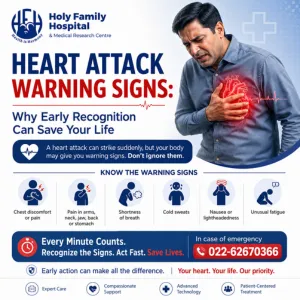

Ask most people what a heart attack looks like, and they'll describe a scene straight out of a movie, someone grabbing their chest and going down. Real life is messier than that. It's a dull ache that fades and comes back. It's feeling unusually wiped out for two days straight and blaming the weather. It's breathlessness after climbing stairs you've climbed a hundred times before without a problem. Catching Heart Attack Warning Signs in these quieter moments, before things escalate, are often what separates a full recovery from permanent heart damage.
Chest pain gets all the attention in health articles, but a fair number of heart attacks happen without it, especially in women and older adults. That's the real reason awareness matters as much as any hospital's equipment. You can't act on something you don't recognise.
What Are Heart Attack Warning Signs?
Here's the mechanism, stripped down: a heart attack happens when blood flow to part of the heart muscle gets cut off, usually because a clot has formed in an artery that was already narrowed by fatty buildup. Once that blood stops moving, the muscle starts losing oxygen almost immediately, and damage sets in within minutes, not hours.
Heart Attack Warning Signs are simply the body flagging that something's off before things turn critical. Some people get the classic version, crushing chest pain, sweating, the works. Others get something far quieter, like a wave of fatigue or discomfort that feels more like bad indigestion than a cardiac event. Both deserve the same urgency, because underneath, the same process is happening either way.
Doctors keep repeating one phrase for a reason: time is muscle. Restore blood flow sooner, and more of the heart survives.
Common Symptoms You Should Never Ignore
Signs worth paying attention to:
- Pressure or a squeezing feeling in the chest that doesn't ease up after a few minutes
- Chest pain that spreads into the arm, jaw, neck, shoulder, or back
- Breathlessness sometimes with chest discomfort, sometimes without it
- Cold sweats, nausea, or a sudden dizzy spell
- Fatigue that builds for no obvious reason over a day or two, which shows up more often in women
These heart attack symptoms rarely all show up at once, and they don't always feel dramatic. That's usually the trap, something mild gets brushed off as tiredness or stress, and by the time someone takes it seriously, valuable time is already gone.
If you notice even a couple of these together, even at a low intensity, don't ignore them and hope they go away.
Risk Factors for Heart Disease
Some people have a higher baseline risk than others, and knowing your level can be helpful:
- Long-term high blood pressure, which wears down artery walls over the years
- High cholesterol contributing to plaque build-up inside arteries
- Diabetes, which speeds up cardiovascular damage
- Smoking and heavy alcohol use
- A family history of heart disease
- Chronic stress, poor sleep, and a lifestyle with little movement
- Extra weight, particularly around the midsection
None of these factors guarantees a heart attack is coming, but it stacks the odds. Anyone with two or more of these factors should be quicker to take signs of a heart attack seriously, since their starting point is already riskier than someone without them.
When to Seek Emergency Medical Help
Chest discomfort that sticks around for more than a few minutes isn't something to self-diagnose as gas, a pulled muscle, or stress. If you or someone near you shows any mix of the symptoms above, the right move is emergency cardiac care, not sitting at home waiting to see if it fades.
Call for emergency help immediately. Keep the person seated and as calm as possible, skip food or water, and don't try to drive them yourself if an ambulance can get there faster with the right equipment on board. Every minute spent hesitating adds to the damage.
Diagnosis and Treatment Options
Once someone reaches the hospital, things move quickly. An ECG checks the heart's electrical activity, blood tests pick up on enzymes released by damaged muscle, and angiography shows exactly where the blockage sits.
From there, cardiac treatment depends on how serious the blockage is, occasionally. It's clot-dissolving medication, sometimes angioplasty with a stent, and in more severe cases, bypass surgery. Speed changes outcomes here more than almost anything else, which is why a hospital with a catheterisation lab running around the clock is so important.
At Holy Family Hospital, the cardiac care unit is set up for exactly this kind of urgency, with imaging and intervention available at any hour, so there's no waiting between diagnosis and action.
Why Choose Holy Family Hospital for Cardiac Care
Cardiac emergencies don't check the clock before they happen, which is why having a reliable heart specialist and a fully equipped emergency team on standby matters so much. Holy Family Hospital brings together experienced cardiologists, advanced diagnostic technology, and a 24/7 emergency response team trained specifically for situations where minutes decide outcomes.
Past the initial emergency, the hospital also supports patients through cardiac rehabilitation, helping them rebuild strength and shift the habits that raise the risk of a second event. That kind of continuity, from the emergency room through months of recovery afterward, is really what separates a genuinely capable cardiac unit from one that just handles the crisis and moves on.
Whether it's a routine check-up or something urgent, the cardiac team at Holy Family Hospital responds without delay.
Conclusion
The body usually doesn't stay quiet before a heart attack. It gives some kind of signal, even if that signal is easy to miss or explain away. Learning to notice signs of a heart attack, knowing your own risk factors, and acting quickly instead of waiting can make a real difference between full recovery and permanent damage.
If you or someone you care about experiences chest pain, breathlessness, or anything on this list, don't wait around hoping it passes. Reach out to Holy Family Hospital's cardiac specialists for a proper evaluation, and take heart health seriously before an emergency forces the issue. Awareness paired with timely access to the right care is still the most reliable way to protect your heart for the years ahead.























Sign in to leave a comment.