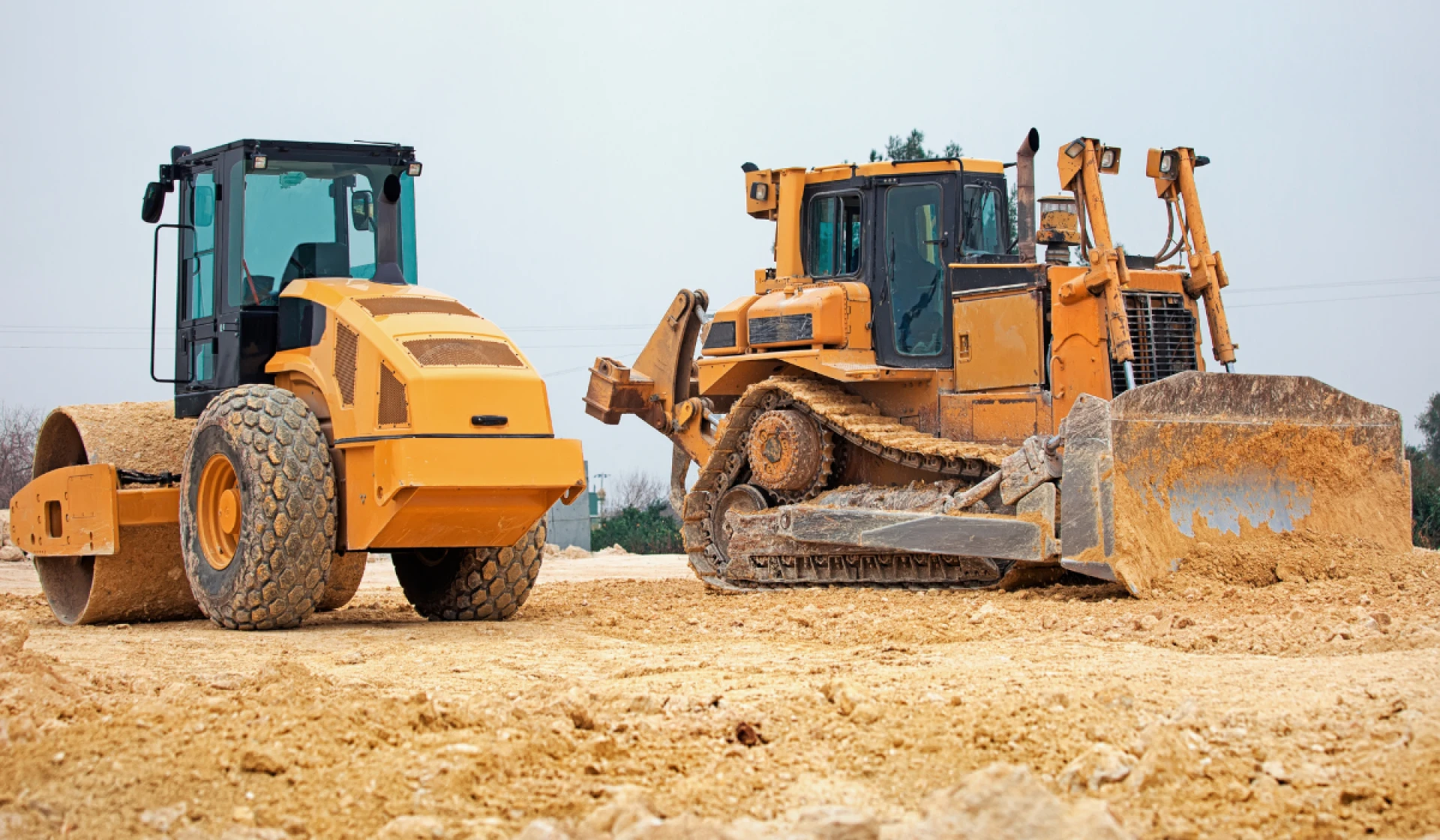
In the world of modern manufacturing, heat treatment equipment plays a vital role in ensuring the strength, durability, and performance of metals and alloys. Whether in automotive, aerospace, construction, or energy industries, the use of controlled heating and cooling processes has become an essential step in shaping materials for demanding applications. By enhancing mechanical properties such as hardness, toughness, and wear resistance, this equipment provides manufacturers with the ability to deliver products that meet exacting standards of quality.
The Importance of Heat Treatment in Manufacturing
Heat treatment is not just a single process but rather a collection of techniques that use thermal energy to change the internal structure of metals. Processes like annealing, tempering, quenching, and carburizing ensure that materials can withstand the extreme conditions under which they are often used. Without effective heat treatment equipment, even the best-designed components may fail prematurely, leading to costly downtime and safety risks.
In industries like aerospace, precision is everything. Aircraft parts such as turbine blades or landing gear components cannot be left vulnerable to cracks or wear. Similarly, automotive engines rely on properly hardened gears and shafts to perform efficiently over long distances. These demands highlight why reliable equipment for heat treatment is a cornerstone of industrial success.
Types of Heat Treatment Equipment
The field of heat treatment technology has evolved significantly over the years, giving rise to specialized equipment tailored for different applications. Some of the most common types include:
1. Furnaces
Industrial furnaces are among the most widely used tools in heat treatment. They allow metals to be heated to specific temperatures under controlled atmospheres. Furnaces come in many varieties, such as batch furnaces, continuous furnaces, and vacuum furnaces. Each serves a unique role in achieving uniform heating and meeting production requirements.
2. Induction Heating Systems
Induction systems use electromagnetic fields to heat metals directly. This technology offers high efficiency, precision, and reduced energy loss compared to traditional methods. Induction equipment is especially popular in automotive industries for surface hardening gears, shafts, and other high-stress parts.
3. Quenching Equipment
Quenching involves rapid cooling of heated metals, usually in water, oil, or air. Quenching equipment ensures controlled cooling rates that achieve desired hardness without causing unwanted cracks. Modern systems often integrate automation to monitor temperatures and fluid flow for consistency.
4. Carburizing and Nitriding Equipment
Carburizing and nitriding are surface hardening processes that introduce carbon or nitrogen into the surface layer of metals. Specialized equipment creates atmospheres where these gases diffuse into the material, improving wear resistance while keeping the core tough and ductile.
5. Vacuum Heat Treatment Systems
Vacuum furnaces are used when oxidation must be avoided. By treating metals in a low-pressure environment, they deliver clean, high-quality finishes suitable for aerospace, medical, and precision engineering applications.
Key Benefits of Heat Treatment Equipment
The investment in advanced heat treatment equipment brings long-term advantages to manufacturers across various industries.
- Improved Material Strength – Components gain the hardness and durability necessary to withstand stress, wear, and friction.
- Extended Service Life – Properly treated parts resist fatigue and corrosion, resulting in longer-lasting products.
- Enhanced Productivity – With modern equipment, processes become faster, more efficient, and require less manual intervention.
- Quality Consistency – Automated monitoring ensures repeatable results, reducing the risk of defects and failures.
- Energy Efficiency – New-generation systems are designed with energy-saving technologies that lower operational costs.
Heat Treatment in Different Industries
The use of heat treatment technology extends far beyond a single industry. Its presence is evident across various fields that rely on strong, high-performance materials.
- Automotive: Gearboxes, crankshafts, and bearings depend on hardening processes to resist constant motion and wear.
- Aerospace: Aircraft components require precise treatments to maintain strength while remaining lightweight.
- Construction: Tools, fasteners, and structural steels are treated to withstand heavy loads and harsh weather.
- Energy Sector: Turbines, drilling equipment, and pipelines undergo heat treatment for durability and reliability.
- Medical Devices: Surgical instruments and implants require smooth finishes and precise hardness, often achieved through vacuum heat treatment.
Technological Innovations in Heat Treatment Equipment
The evolution of heat treatment equipment has been driven by advancements in automation, digital monitoring, and eco-friendly solutions. Today, manufacturers are adopting systems equipped with smart controls, sensors, and software that allow real-time monitoring of temperature, gas flow, and process duration. These innovations not only enhance accuracy but also reduce waste and energy consumption.
Additionally, the growing emphasis on sustainability has encouraged the development of equipment that minimizes emissions and operates efficiently. For example, induction heating systems are gaining popularity because they use less energy and offer cleaner operations compared to traditional furnaces.
Selecting the Right Heat Treatment Equipment
Choosing the right equipment depends on several factors, including production volume, material type, required properties, and budget. Small-scale workshops may prefer batch furnaces for their flexibility, while large-scale manufacturers often rely on continuous furnaces for mass production. Similarly, industries that demand extremely clean results may opt for vacuum systems despite higher costs.
Reputable suppliers like shstrongmac provide a wide range of reliable solutions tailored to industrial needs. With the right partner, companies can ensure their equipment not only meets current demands but also adapts to future growth.
The Future of Heat Treatment Technology
Looking ahead, the integration of digital technology will continue to redefine the capabilities of heat treatment equipment. Smart factories equipped with artificial intelligence, predictive maintenance tools, and advanced sensors will create systems that require minimal human intervention while delivering maximum efficiency.
At the same time, global industries are prioritizing environmentally friendly processes. Equipment that reduces energy consumption, limits greenhouse gas emissions, and supports recycling will likely dominate the market. This shift points to a future where strength and sustainability go hand in hand.
Conclusion
Heat treatment is one of the most critical processes in industrial manufacturing, and without the right equipment, achieving the necessary performance and reliability would be impossible. From furnaces and induction systems to vacuum solutions, the range of modern heat treatment equipment ensures that metals can be transformed to meet the toughest challenges across industries.
As technology advances, these systems are becoming more efficient, precise, and sustainable. For manufacturers, investing in the right equipment today means building a foundation for long-term success. By working with trusted suppliers and embracing innovation, industries can continue to benefit from stronger, safer, and more durable materials that drive progress forward.



























Sign in to leave a comment.