Choosing the Right Water Well Drilling Rig
Drilling a hole hundreds of feet into the earth isn't a one-size-fits-all job. The ground can be soft clay one moment and hard rock the next, so the right tool is critical for success. This is why there are different types of well boring machines, each one a specialist designed to conquer a specific underground challenge. Understanding their fundamental differences is the first step in knowing how we tap into the water hidden beneath our feet.
Fundamentally, how a portable well driller works comes down to two actions: grinding or punching. The first method, rotary drilling, acts like a giant power drill, using a sharp, spinning bit to grind away at the earth. The alternative in the rotary vs percussion drilling methods debate is percussion drilling. This technique is more like a heavy-duty hammer and chisel, repeatedly lifting and dropping a heavy tool to punch a hole straight down.
So which method gets the call? In practice, the choice depends entirely on the geology. For soft ground like sand and clay, a rotary drill is the champion, clearing out material with incredible speed. But when drillers hit solid rock, the steady, brute force of a percussion rig is often more effective. Its rhythmic punching action can shatter formations that would stop a spinning bit cold.
What Are the Key Parts of a Modern Drilling Rig?
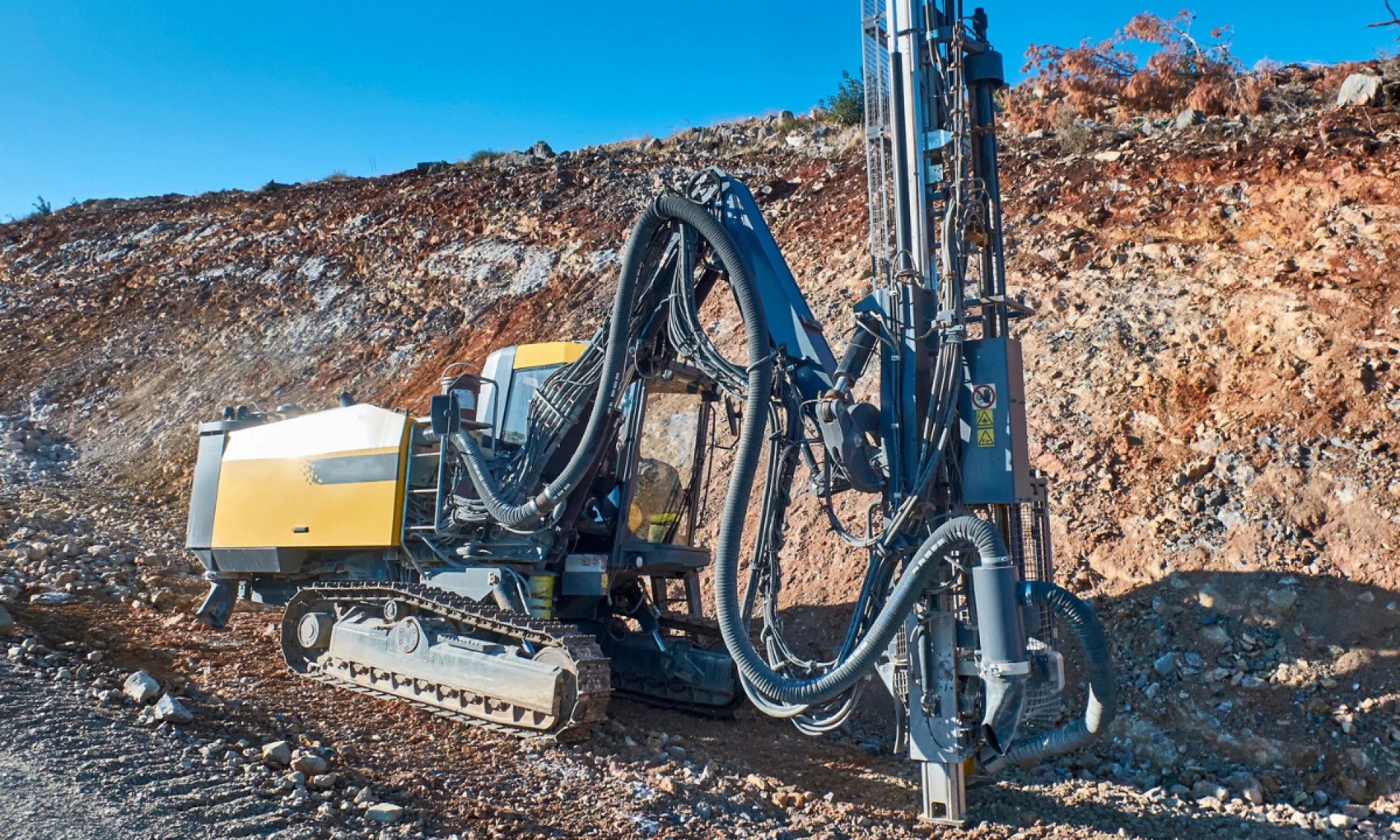
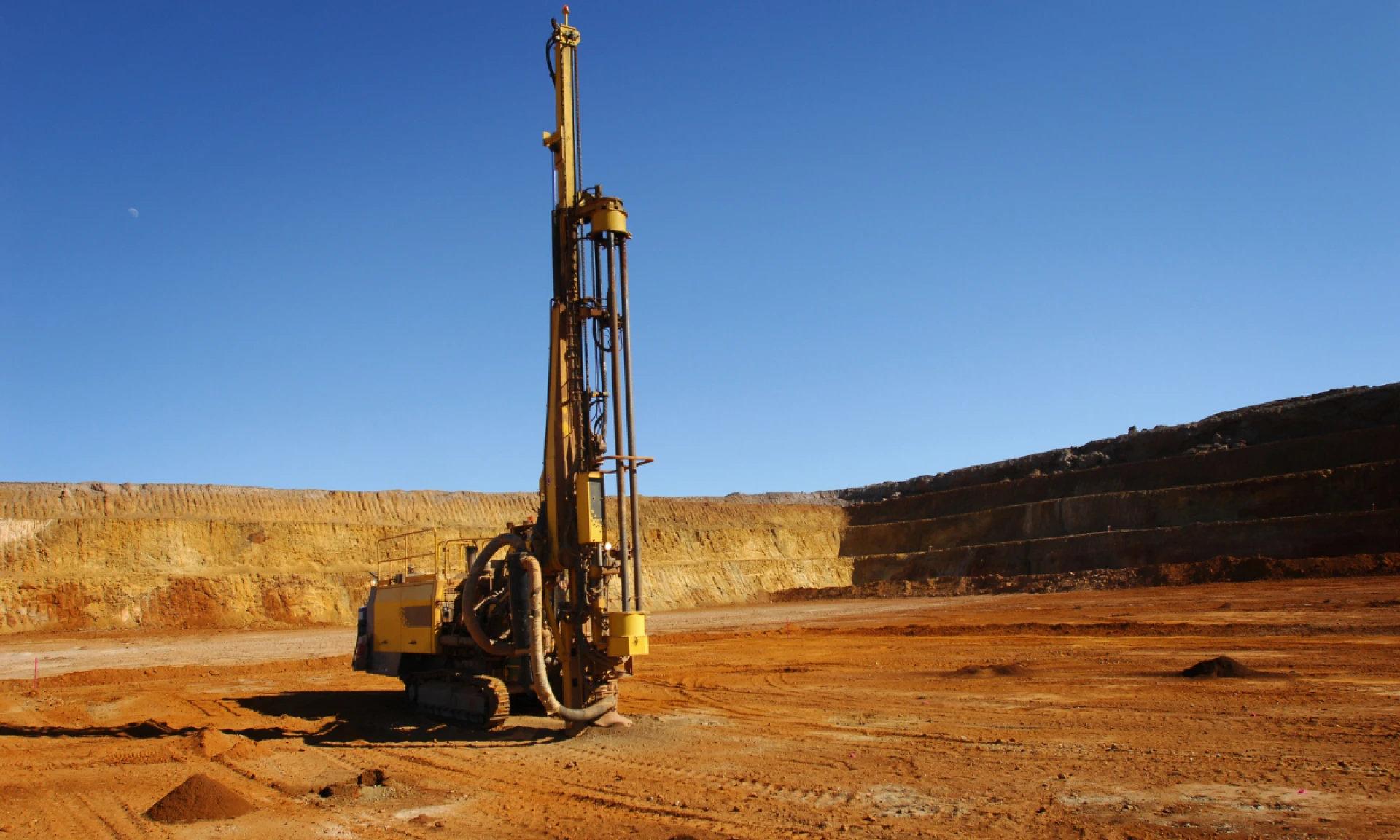
When you see a drilling rig, the first thing you probably notice is the tall, lattice-like tower reaching for the sky. This is the Mast. Its main job is simple but crucial: it acts like a powerful crane, lifting and lowering the heavy sections of drill pipe into the ground as the hole gets progressively deeper. Without the mast, handling hundreds of feet of steel pipe would be impossible.
Of course, just lowering a pipe won’t cut through solid rock. For that, you need an immense spinning force. On most modern rigs, this power comes from the Top Head Drive. Clamped directly onto the uppermost pipe, this powerful hydraulic motor spins the entire drill string with incredible torque. Think of it as the engine of a massive, super-powered hand drill, providing the muscle for the whole operation.
Following that power all the way down the line, you find the part that does the actual work: the Drill Bit. This isn't a one-size-fits-all tool. Just as you’d use a different bit to drill into wood versus concrete, drillers choose a specific bit designed to chew through the exact type of ground they encounter, from soft clay to unforgiving granite.
Together, these core components—the mast for lifting, the top drive for spinning, and the bit for cutting—form a highly efficient system. But as they work to create a deep, narrow borehole, a new challenge emerges: how to keep a 500-foot hole from simply collapsing on itself.
How Do Drillers Keep a 500-Foot Hole From Collapsing?
Think about digging a deep hole at the beach—the sandy walls collapse almost as fast as you can dig. A freshly drilled well, known as a borehole, faces the same risk, but on a much larger scale. To keep this deep, narrow passage from caving in on itself, drillers rely on a surprisingly simple but effective solution that works in real-time.
The secret lies in a special, heavy liquid known as drilling fluid, or more commonly, "mud." This isn't just dirt and water; it's a carefully mixed substance that's continuously pumped down into the borehole as drilling progresses. The weight of this fluid exerts constant outward pressure on the walls of the hole, effectively holding the surrounding earth at bay and keeping the borehole stable and open.
This powerful fluid serves a second, equally critical purpose: cleanup. As the drill bit grinds away at rock and soil, it creates a lot of debris. These fragments, called cuttings, would quickly clog the hole and stop the drill. The circulating drilling fluid acts like a liquid elevator, flushing all these cuttings from the bottom of the borehole back up to the surface for removal. With the hole stabilized and kept clean, the crew can move on to making it a permanent source of water.
Why a ‘Well Casing’ Is the Most Important Part You'll Never See
The drilling fluid is only a temporary solution to keep the borehole from collapsing. To create a lasting, usable well, the drilling crew must install a permanent structure. Think of pushing a drinking straw into a slushy—the plastic straw keeps the icy drink separate from everything else and provides a clean channel. A well casing does the exact same thing for your water. Once the hole is drilled, the crew lowers sections of a long, sturdy pipe made of steel or PVC into the borehole.
This casing becomes the well’s permanent backbone, and its job is twofold. First, it provides the structural integrity to prevent the surrounding earth from ever caving in. More importantly, it acts as a sealed shield. As water trickles down from the surface, it can pick up fertilizers, bacteria, or other pollutants. The casing ensures this potentially contaminated surface water can’t mix with the pure water source tapped deep underground, protecting the quality of your drinking water.
The casing is installed deep enough to reach and seal off the target: an aquifer. This is a large, underground layer of saturated rock or sand that holds water like a giant natural sponge. A screened section at the bottom of the casing lets water from the aquifer flow in while filtering out sand. With this crucial piece of water well equipment in place, the well is now a stable, protected pathway, setting the stage for the borehole pump installation process that will finally bring that fresh water to you.
Rotary vs. Percussion: Which Rig Is Right for Different Ground?
If both rotary and percussion rigs can drill a hole, why not just use the fastest one? The answer lies in the ground itself. The earth beneath your feet isn't one solid material; it’s a complex layer cake of soft soil, sticky clay, sand, gravel, and solid rock. Just as you wouldn't use a wood saw to cut concrete, a drilling crew must choose a rig specifically suited for the geology of the area. This decision is one of the most critical steps in the entire process.
Modern rotary rigs are the sprinters of the drilling world. In consistent ground like thick clay, sand, or shale, their spinning, grinding action is incredibly fast and efficient. By constantly scraping and clearing material, they can make steady progress, making them a top choice when conditions are favorable. The process of choosing a drill bit for different soil types is key here, as each bit is designed to optimally cut through a specific material, maximizing the rig’s speed.
However, when it comes to drilling a well in rocky ground, especially terrain filled with large, unpredictable boulders, the percussion rig is the undisputed heavyweight champion. A fast-spinning rotary bit could get jammed, deflected, or even break against a massive boulder. The percussion rig, on the other hand, simply hammers its way through, pulverizing the obstacle into small pieces. Its slow but unstoppable force makes it the most reliable tool for the toughest jobs, proving that power sometimes matters more than speed.
What Depth Can a Small Drilling Rig Realistically Reach?
The idea of a personal, portable drill is appealing, and you might wonder what depth a small drill rig can reach. While compact rigs exist, often marketed for farm use or as a lower-cost alternative, their capabilities are very limited. These smaller machines are typically only effective in soft soil and for reaching very shallow water, perhaps 50 feet down in ideal conditions. They lack the power to break through rock or handle the immense weight of a long drill string, making them unsuitable for most residential well projects where reliable water is found much deeper.
Professional drilling crews use powerful, truck-mounted rigs for a reason: they need to reach the water table. Think of the water table as the underground "water level," the point where the ground becomes completely saturated. This reliable source of water might be 100 feet down in one area or over 500 feet in another. Only a professional rig has the horsepower to muscle through hundreds of feet of mixed earth and solid rock to hit this vital target and create a well that won't run dry.
Choosing a rig isn't just about beating the geology; it's about reaching a viable depth. While the best small drilling machine for farm use might suffice for a secondary livestock well in a wet field, securing water for a home requires a machine built for power and depth. Once the rig has punched through to a water-bearing zone, the raw hole is complete, but it must be transformed into a clean, stable well.
From a Drilled Hole to Running Water: Your Well Is Ready for a Pump
The journey from solid ground to a functional well involves grinding through earth with the right drill, using specialized mud to keep the borehole stable, and installing a final casing to create a permanent pathway to an underground aquifer. Once the drilling rig's monumental job of creating this access is complete, it leaves the site.
The rig itself doesn't pull water to the surface. The next crucial phase is the borehole pump installation process, where a different crew installs the pump that finally brings water to your home. While a DIY approach might seem tempting, understanding the professional handover from driller to pump installer is key to a successful, long-lasting well.
This knowledge empowers you to have a confident conversation with a potential drilling contractor. Be prepared to ask the right questions:
- What type of rig do you recommend for my property's geology?
- What diameter will the casing be, and what material is it?
- How will you seal the well to protect the aquifer?















Sign in to leave a comment.