

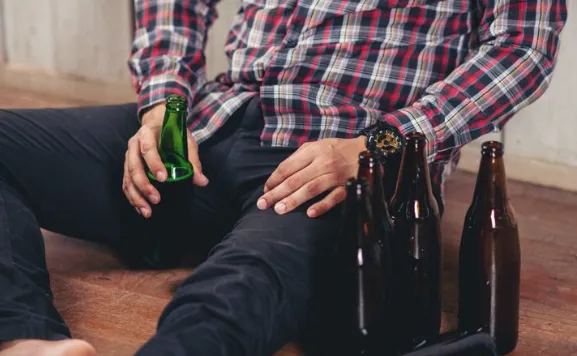
Most people who reach out for help are not looking for a quick fix. They have already spent months or years trying to manage things on their own. Some have stopped and started treatment more than once. Others are carrying the weight of damaged relationships, lost opportunities, or the feeling that life has slowly become smaller than it used to be. The goal is not simply to stop using drugs or alcohol. The real goal is to build a life that feels worth protecting.
A recovery program should never focus only on helping someone get through withdrawal or complete a set number of therapy sessions. Those steps matter, but they are only the beginning. Lasting recovery comes from learning new habits, rebuilding confidence, and creating a future that does not revolve around addiction.
Recovery Starts With Understanding the Individual

One person may have developed a dependency after years of dealing with untreated anxiety. Another may have started using substances to cope with grief, trauma, or overwhelming stress. Some people struggle with alcohol, while others are trying to break free from prescription medication or illicit drugs. Looking at everyone through the same lens rarely leads to meaningful progress.
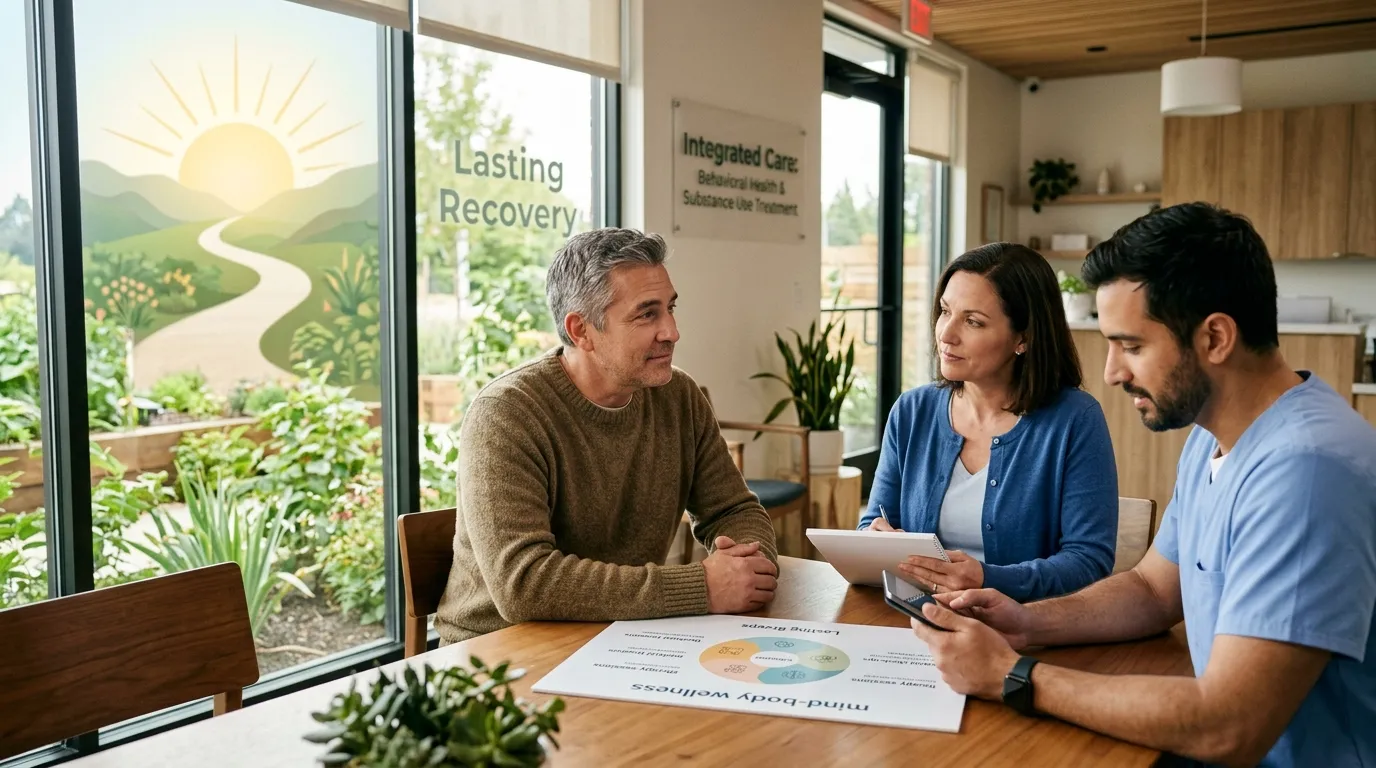
The most effective treatment begins by understanding the person behind the addiction. That means asking questions, listening without judgment, and creating a plan that fits real circumstances instead of forcing someone into a standard program. This personalized approach is at the heart of Seven Arrows Recovery Arizona, where treatment is built around each person's unique experiences, challenges, and recovery goals.
Understanding the Root Causes of Addiction
Addiction rarely develops because of a single event. For some people, it begins with untreated mental health challenges. Others turn to drugs or alcohol after experiencing trauma, grief, chronic stress, or major life changes. Recognizing these underlying factors helps treatment focus on more than the symptoms. When people understand what has been driving their substance use, they are better prepared to make lasting changes instead of repeating the same cycle.
Healing Goes Beyond Physical Sobriety

Many people discover that the emotional challenges begin once the physical symptoms start to fade. Old patterns, unhealthy relationships, unresolved trauma, and negative thinking do not disappear overnight. They require time, honesty, and consistent support. Therapy creates space to explore those deeper issues without fear of being judged. Individual counseling helps people understand personal triggers, while group sessions remind them they are not carrying these struggles alone.
Over time, people begin recognizing situations that once led them toward substance use. Instead of reacting automatically, they learn healthier ways to respond. Those small changes build confidence, and confidence builds momentum.
Creating Healthy Daily Routines
Addiction often creates chaos. Sleep becomes inconsistent. Meals are skipped. Responsibilities pile up. Days start blending together. Simple habits such as waking up at a consistent time, eating balanced meals, exercising regularly, attending therapy, and making time for reflection can have a powerful effect on emotional well-being. As the days become more predictable, people often notice they feel calmer, think more clearly, and respond to stress with greater patience.
Family Healing Is Part of the Process
Parents, spouses, children, siblings, and close friends often experience confusion, frustration, disappointment, and fear alongside the person struggling with substance use.
Open conversations, family counseling, and honest communication help rebuild trust one step at a time. Nobody expects years of hurt to disappear after a few discussions. Real progress comes from consistency, accountability, and patience. Family involvement also gives people another layer of encouragement after treatment ends. Having supportive people nearby makes it easier to stay focused during difficult moments.
Learning How to Handle Real Life Again
Bills still need to be paid. Work remains demanding. Relationships continue to require effort. Unexpected setbacks happen.
People develop practical coping strategies they can actually use outside a treatment setting. That may include recognizing emotional triggers early, practicing mindfulness, staying physically active, reaching out for support, or simply taking time to slow down before making decisions during stressful situations.
Recovery is not about avoiding every challenge. It is about becoming confident enough to face challenges without relying on drugs or alcohol.
Building Confidence One Step at a Time
Keeping commitments. Showing up on time. Having honest conversations. Repairing relationships. Finding meaningful work. Celebrating small milestones that once seemed impossible. Many people underestimate these victories because they appear simple from the outside. Yet they represent real progress.
Creating a Future Worth Looking Forward To
Recovery becomes more meaningful when people start focusing on what comes next instead of what they are leaving behind. Setting personal goals, returning to work or school, rebuilding relationships, or simply enjoying everyday moments without relying on substances can restore a sense of purpose. Progress does not happen overnight, but every positive choice helps create a future that feels more stable, rewarding, and fulfilling.
Why Ongoing Support Matters
Many people benefit from ongoing counseling, peer support groups, alumni programs, or regular check-ins that help them stay connected. Recovery becomes easier when people know they have somewhere to turn during difficult moments instead of trying to manage everything alone.
There will always be stressful days, moments of self-doubt, or unexpected obstacles. Having trusted people available during those times can make the difference between staying on track and falling back into old habits.
Looking Toward the Future
One of the most encouraging parts of recovery is watching people begin to imagine a future they had stopped believing was possible. They reconnect with family. They return to work or school. They rediscover hobbies they had forgotten. They celebrate birthdays, holidays, and everyday moments with a clear mind.
Those changes do not happen overnight, and they rarely happen perfectly. Recovery is built through steady effort, honest reflection, and a willingness to keep moving forward even after setbacks. At Seven Arrows Recovery Arizona, the focus is not only on helping people stop using drugs or alcohol. It is about helping them build healthier routines, stronger relationships, and a future filled with purpose. Recovery is not defined by one successful day. It grows from thousands of small choices that slowly create a life where addiction no longer controls the story.



























Sign in to leave a comment.