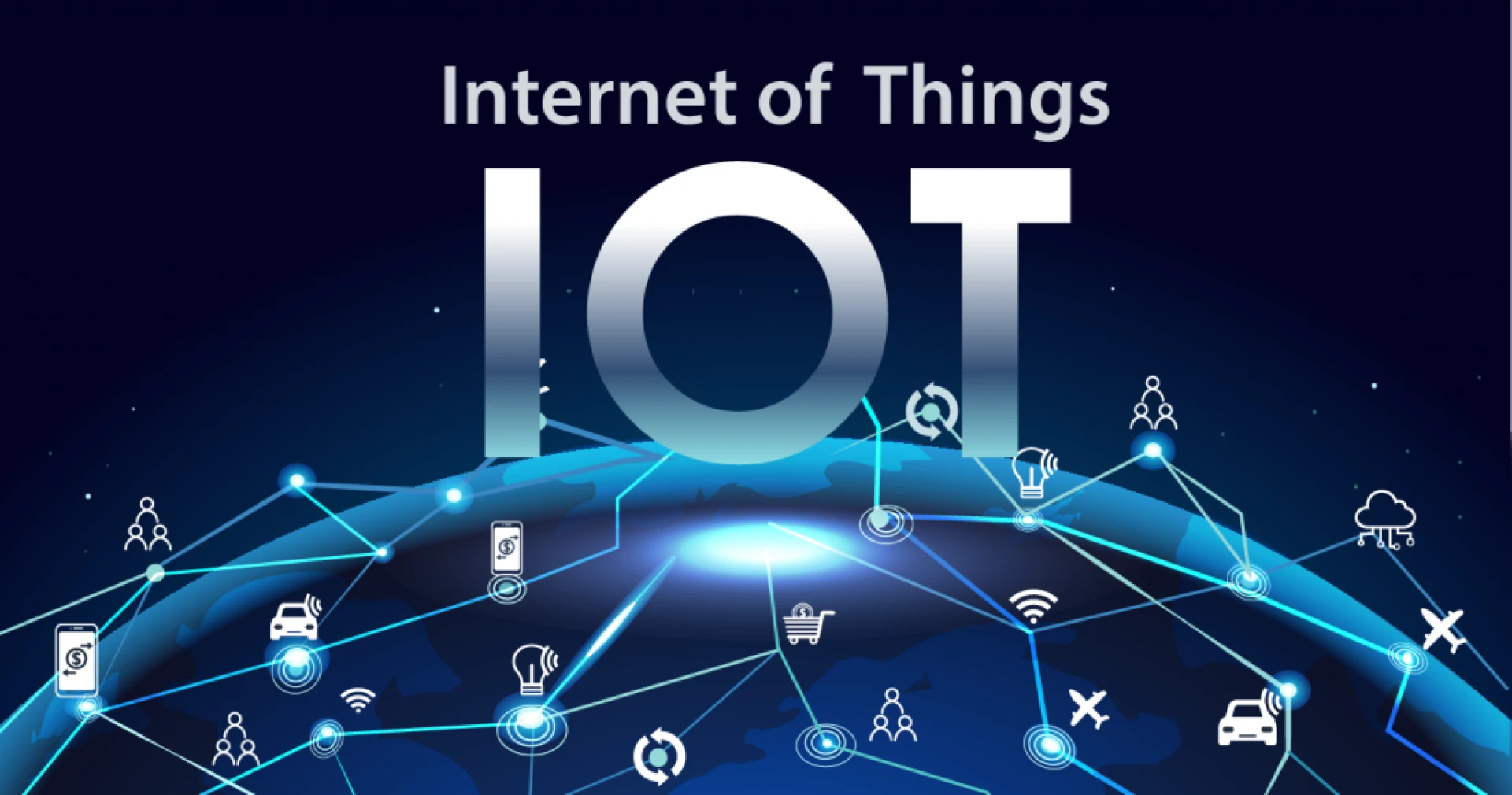

The Internet of Things (IoT) has become one of the most revolutionary technological advancements of the 21st century. From smart homes and industrial automation to healthcare and transportation, IoT is reshaping the way we interact with the world. This article explores how IoT is transforming everyday life, its benefits, challenges, and future prospects.
Understanding IoT
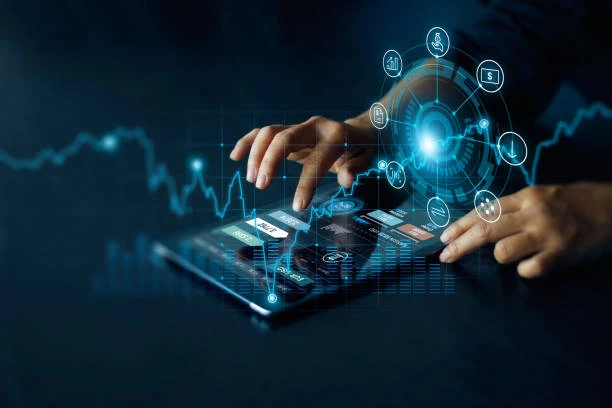
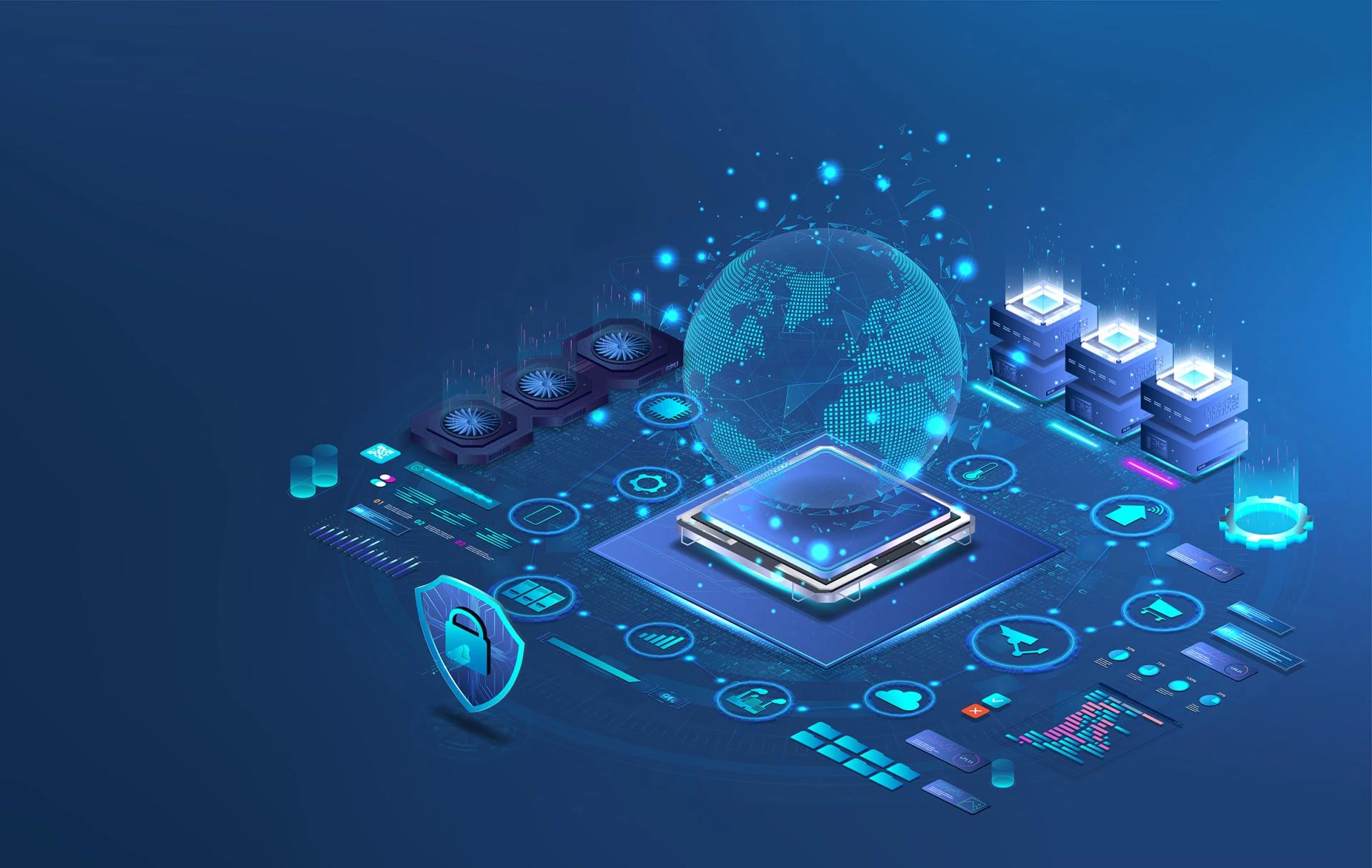
IoT refers to a network of interconnected devices that communicate with each other and share data over the internet. These devices include sensors, smart appliances, wearable technology, and industrial machines. The primary goal of IoT is to improve efficiency, automation, and decision-making by leveraging real-time data.
Applications of IoT in Daily Life
1. Smart Homes
Smart home devices such as thermostats, lighting systems, security cameras, and smart speakers have made homes more energy-efficient and secure. Voice-controlled assistants like Amazon Alexa and Google Assistant help users control their home environment with simple voice commands.
2. Healthcare and Wearable Technology
IoT has revolutionized healthcare with wearable devices that monitor heart rate, blood pressure, and oxygen levels in real-time. Smartwatches and fitness trackers provide individuals with insights into their health, while remote monitoring systems help doctors track patient conditions from afar.
3. Industrial IoT (IIoT)
Industries use IoT for predictive maintenance, supply chain management, and process automation. Sensors in factories help monitor equipment health, reducing downtime and increasing productivity. IIoT enables businesses to make data-driven decisions and optimize their operations.
4. Smart Cities
IoT is playing a key role in developing smart cities by enhancing traffic management, waste disposal, and public safety. Smart traffic lights adjust based on real-time vehicle flow, and IoT-enabled waste bins alert sanitation teams when they need to be emptied.
5. Agriculture and Farming
Farmers are leveraging IoT for precision agriculture, using smart sensors to monitor soil moisture, weather conditions, and crop health. Automated irrigation systems ensure optimal water usage, leading to better yields and reduced resource wastage.
6. Connected Vehicles and Transportation
IoT-powered connected vehicles provide real-time traffic updates, predictive maintenance alerts, and enhanced safety features. Fleet management systems track logistics, optimizing routes and reducing fuel consumption.
Benefits of IoT
1. Increased Efficiency and Automation
IoT automates various processes, reducing human intervention and enhancing operational efficiency. Smart appliances and industrial automation lead to cost savings and improved productivity.
2. Enhanced Data-Driven Decision Making
IoT devices generate vast amounts of data, which can be analyzed to make informed decisions. Businesses use IoT data analytics to improve customer experience and optimize supply chains.
3. Improved Quality of Life
From healthcare monitoring to smart homes, IoT improves everyday living by offering convenience, safety, and better resource management.
4. Cost Savings
Predictive maintenance and optimized resource usage result in significant cost savings for businesses and consumers alike.
Challenges in IoT Adoption
Despite its numerous benefits, IoT adoption comes with challenges:
1. Security and Privacy Concerns
As IoT devices collect sensitive data, cybersecurity threats and data breaches are a major concern. Securing these devices with encryption and authentication measures is crucial.
2. Connectivity and Infrastructure Issues
IoT requires stable and fast internet connections to function efficiently. In remote areas, inadequate network infrastructure can hinder IoT adoption.
3. High Implementation Costs
Deploying IoT solutions requires investments in hardware, software, and network infrastructure. Small businesses and individuals may find it costly to adopt IoT technologies.
4. Interoperability Challenges
Different IoT devices and platforms often lack standardization, making it difficult for them to communicate seamlessly. Industry-wide standards are needed for better integration.
Future of IoT
The future of IoT is promising, with advancements in 5G, artificial intelligence, and edge computing driving innovation. The integration of IoT with AI will enhance automation and predictive capabilities, while 5G will enable faster and more reliable connectivity. As IoT evolves, businesses and consumers will continue to benefit from smarter, more efficient technologies.
Conclusion
IoT is transforming everyday life by making processes more efficient, improving quality of life, and driving technological innovation across industries. Despite challenges like security and interoperability, the future of IoT looks bright with continued advancements in connectivity and AI-driven automation.
For expert IoT solutions and software development services, visit Hexadecimal Software. Hexadecimal Software specializes in cutting-edge software solutions, helping businesses harness the power of IoT for growth and innovation.
Stay updated with the latest technology trends by exploring insightful articles on Hexadecimal Blog.





















Sign in to leave a comment.