
The Rise of Edge Computing: Revolutionizing Data Processing and IoT
In the ever-evolving landscape of technology, businesses and organizations are constantly looking for innovative ways to enhance the efficiency and speed of their operations. One such advancement that has gained significant traction in recent years is Edge Computing. As we continue to generate massive amounts of data through various digital devices and systems, processing this data quickly and efficiently has become a critical need. Edge computing, with its decentralized approach to data processing, is poised to change the way industries handle data, particularly in the context of the Internet of Things (IoT).
What is Edge Computing?
Edge computing refers to the practice of processing data closer to where it is generated, rather than relying on centralized cloud servers that may be located far away. In traditional cloud computing, data is sent to a data center for processing, often resulting in latency and bandwidth issues. Edge computing, on the other hand, brings computation and data storage closer to the “edge” of the network, typically near the devices or sensors that are producing the data.
This approach helps to reduce the time it takes to analyze and act on data, enabling real-time decision-making in environments where milliseconds matter. Edge computing is particularly beneficial for applications that require immediate data processing, such as autonomous vehicles, industrial automation, healthcare devices, and smart cities.
Why is Edge Computing Important?
- Reduced Latency
- One of the primary advantages of edge computing is the reduction in latency. When data is processed closer to its source, the time taken to send it to a cloud server and back is significantly reduced. This is crucial for applications where real-time processing is essential, such as in autonomous vehicles, industrial machinery, or remote medical monitoring.
- Bandwidth Efficiency
- Sending large volumes of data to the cloud can consume significant bandwidth, especially with the increasing number of IoT devices generating data. Edge computing allows data to be processed locally, sending only relevant or aggregated data to the cloud. This reduces the strain on bandwidth and helps save costs.
- Improved Security and Privacy
- With edge computing, sensitive data can be processed and stored locally rather than transmitted over potentially insecure networks. This reduces the risk of data breaches and enhances privacy, which is critical for industries like healthcare and finance.
- Scalability and Reliability
- Edge computing can scale efficiently to accommodate the growing number of IoT devices. Since processing is distributed across multiple edge devices, the system can continue to function even if one node fails. This distributed nature makes the system more resilient to failures compared to a centralized cloud infrastructure.
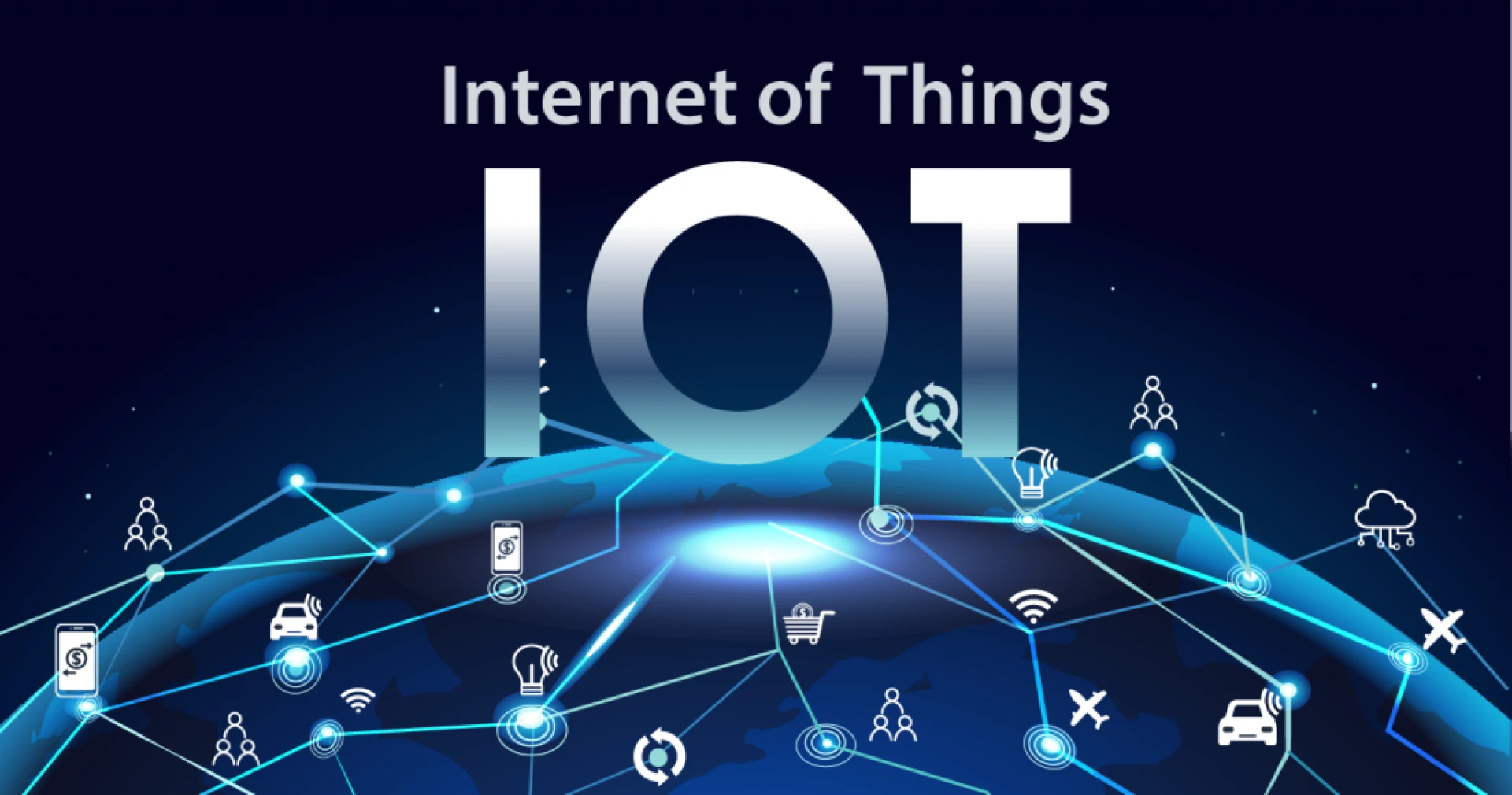
Edge Computing and the Internet of Things (IoT)
The growth of the Internet of Things (IoT) has played a significant role in the rise of edge computing. IoT devices, ranging from smart home gadgets to industrial sensors, generate enormous amounts of data that need to be processed and analyzed quickly. By deploying edge computing, IoT systems can process data locally and make instantaneous decisions without needing to rely on distant cloud servers.
For example, in smart cities, traffic management systems can use edge computing to analyze data from traffic cameras and sensors in real-time, adjusting traffic signals to optimize traffic flow and reduce congestion. Similarly, in manufacturing, IoT devices on the shop floor can detect anomalies in machinery performance and immediately trigger maintenance alerts, preventing costly downtime.
Industries Benefiting from Edge Computing
Several industries stand to benefit immensely from the adoption of edge computing:
- Healthcare
- In healthcare, edge computing can enable faster processing of patient data from wearable devices, medical imaging systems, and remote monitoring tools. This helps healthcare providers make quicker decisions, improving patient outcomes. For example, edge computing can power real-time remote diagnostics and telemedicine, reducing the need for physical visits and improving healthcare access.
- Manufacturing
- In industrial settings, edge computing enables predictive maintenance, real-time monitoring, and process optimization. By analyzing sensor data locally, manufacturers can identify issues in machinery before they lead to failures, reducing downtime and improving operational efficiency.
- Retail
- Retailers can use edge computing to analyze customer behavior in real-time, enabling personalized marketing, inventory management, and seamless customer experiences. Edge devices in stores can track foot traffic, product interactions, and customer preferences, providing valuable insights without overwhelming central systems.
- Autonomous Vehicles
- Autonomous vehicles rely heavily on edge computing for real-time data processing. Sensors and cameras on the vehicle collect vast amounts of data about the surrounding environment. Edge computing enables the vehicle to process this data in real-time, making decisions such as braking or steering without relying on cloud-based systems.
The Future of Edge Computing
The future of edge computing looks promising, especially with the continued growth of IoT and the increasing demand for low-latency, real-time data processing. As more industries adopt edge computing technologies, we can expect to see significant improvements in automation, decision-making, and operational efficiency across various sectors.
Additionally, advancements in 5G technology will further accelerate the adoption of edge computing. The ultra-fast, low-latency capabilities of 5G networks will enable even more devices to connect and communicate in real-time, making edge computing an integral part of the digital transformation in industries worldwide.
Conclusion
Edge computing is undoubtedly a game-changer in the world of data processing and IoT. By enabling real-time data processing closer to the source, it addresses the limitations of traditional cloud computing, improving efficiency, security, and scalability. As industries continue to embrace IoT and the need for instantaneous decision-making grows, edge computing will play an increasingly pivotal role in shaping the future of technology.
At Hexadecimal Software, we specialize in delivering cutting-edge software development and services to help businesses leverage the power of edge computing and other emerging technologies. To explore how we can assist your business in its digital transformation journey, visit Hexadecimal Software.
For more insights on the latest trends in technology, visit our blog platform at Hexahome Blog.





















Sign in to leave a comment.