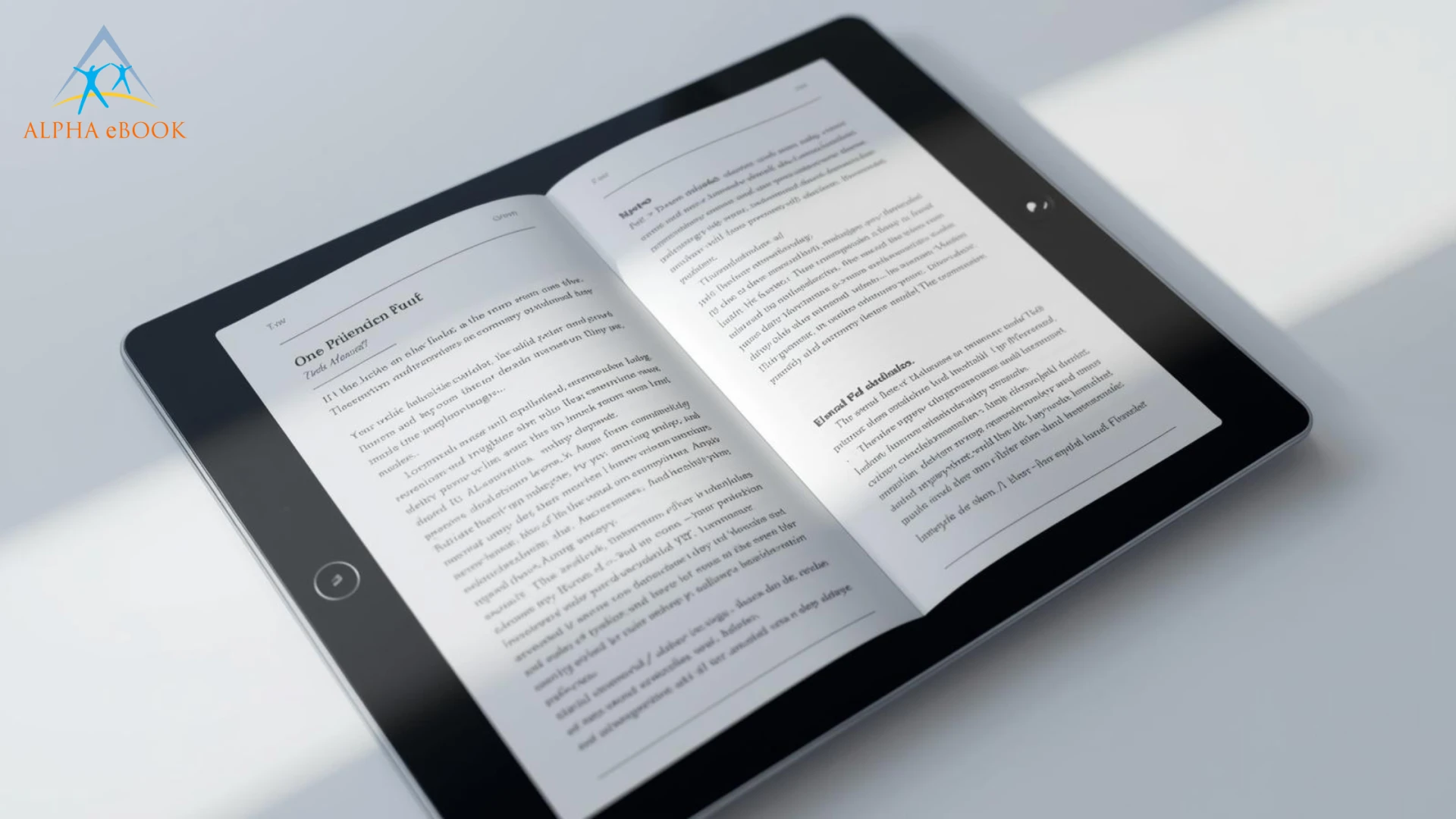

Digital publishing isn’t just about text anymore. Readers now want ebooks that look and feel as carefully designed as printed books, especially when reading on devices. This is particularly true for children’s books, textbooks, comics, cookbooks, and other visually driven content, where a fixed layout ePub helps preserve design, structure, and the overall reading experience, directly impacting how easily readers follow and enjoy the content.
Managing conversion internally may seem practical, but outsourcing often proves more beneficial than expected. In this article, we will examine the importance of outsourcing ePub conversion and its impact on publishing.
What is Fixed Layout ePub Conversion?
It is the process of maintaining a fixed layout where text, images, and spacing remain exactly as designed, regardless of device, turning a print publication into an eBook that preserves its original layout.
Unlike standard eBooks that automatically adjust text to fit different screen sizes, fixed-layout ePubs keep all elements locked in place, maintaining uniformity across devices and delivering a reading experience similar to a printed book.
It requires attention to detail and technical expertise, as even minor errors can affect how pages display. When done correctly, it helps ensure that visually rich content remains clear, engaging, and easy to navigate for readers.
How Outsourcing Adds Value to Fixed Layout ePubs
Below are some of the lesser-known benefits of outsourcing conversion and why it can be a more intelligent long-term decision for publishers of all sizes.
1. Design Accuracy
Errors such as misplaced images, broken fonts, or misaligned text can disrupt the entire reading experience and be unforgiving. Unlike reflowable ePubs, fixed layout files must maintain exact positioning across various screen sizes and platforms.
Specialized conversion teams work with fixed layout files every day. They understand how different e-readers interpret layouts and can fine-tune files to ensure consistency across devices, resulting in a look that is intentional and polished, not improvised or broken.
2. Technical Expertise
ePub conversion intersection of design and code; it requires familiarity with HTML5, CSS, SVG, fonts, media overlays, and ePub standards. Keeping an in-house team entirely up to date with these requirements can be complex and expensive.
Outsourcing gives immediate access to professionals who already understand:
- ePub3 compliance
- Platform-specific requirements
- Accessibility considerations
- Media-rich content handling
Expert help avoid common mistakes that can lead to rejection by distribution platforms or poor reader feedback.
3. Quick Turnaround
In-house teams often have multiple responsibilities, and including fixed-layout conversion becomes just another task on the list; timelines can stretch, and quality may suffer.
That's where outsourcing teams are built for speed. They follow established workflows, use tested tools, and apply quality checks at each stage. This allows publishers to meet tight deadlines without cutting corners, especially when working on extensive catalogs or seasonal releases.
4. Lower Hidden Costs
Handling conversion internally may appear more cost-effective. However, hidden expenses often emerge over time, including:
- Software licensing
- Staff training
- Revisions and rework
- Platform rejection fixes
Outsourcing helps shift these costs into a predictable service model. Instead of ongoing investment, publishers pay for results, making budgeting more straightforward and reducing unexpected expenses.
5. On-Demand Scalability
Publishing workflows are rarely consistent throughout the year, and there are peak periods when multiple titles are released simultaneously, followed by quieter phases. At that time, professionals allowed publishers to scale up or down as needed.
Whether it is one book or fifty, the same quantity standard can be maintained without hiring temporary staff or overburdening internal teams.
6. Core Publishing Focus
Fixed-layout ePub conversion is a technical process that can take significant time. When handled internally, it often diverts attention from editorial planning, author relationships, marketing, and distribution.
Publishers can refocus on what they do best, creating compelling content and reaching readers while trusting specialists to manage the technical execution.
7. Improved Platform Compatibility
ePub enhances multiple device compatibility. Platforms have different rules; a file that works perfectly on one device may not validate on another, so understanding these rules requires experience and ongoing testing.
Professional conversion teams are familiar with common platform issues and validation requirements. Their experience reduces the likelihood of file rejection and minimizes the need for last-minute fixes that delay releases.
8. Consistent Quality Standards
Publishers who manage series, educational materials, or branded content use different layouts across titles, creating an uneven reader experience and inconsistent consistency.
Working with external workflows often involves standardized templates, quality benchmarks, and testing procedures that ensure every title meets the same visual and functional standards, regardless of volume.
9. Better Accessibility Features
Accessibility is a core requirement in digital publishing, and integrating features in fixed layout presents unique challenges, particularly for readers using assistive technologies.
That is where experienced conversion teams understand how to:
- Add proper reading order
- Include alternative text for images
- Improve navigation and usability
These efforts make content more inclusive while also aligning with evolving industry guidelines.
10. Future-Ready Flexibility
Files may require updates to support new devices, revised content, or platform changes after release.
So, when conversion is handled professionally, files are cleaner, better structured, and easier to update later, reducing friction when changes are required and extending the usable life of digital assets.
Make ePub Conversion Easier with Outsourcing
Achieving a high-quality conversion is not a do-it-yourself task, especially for fixed-layout ePub conversion. This process requires technical precision, careful attention to design, and a strong understanding of how different devices handle layouts.
Outsourcing is not only about saving time or reducing internal effort; it also improves overall quality, reduces the risk of errors, and supports long-term scalability. When handled correctly, it creates a better reading experience and preserves the content's original design.
For publishers planning to expand their digital catalogs without compromising visual integrity, outsourcing an ePub conversion service is a practical, forward-looking approach.




























Sign in to leave a comment.