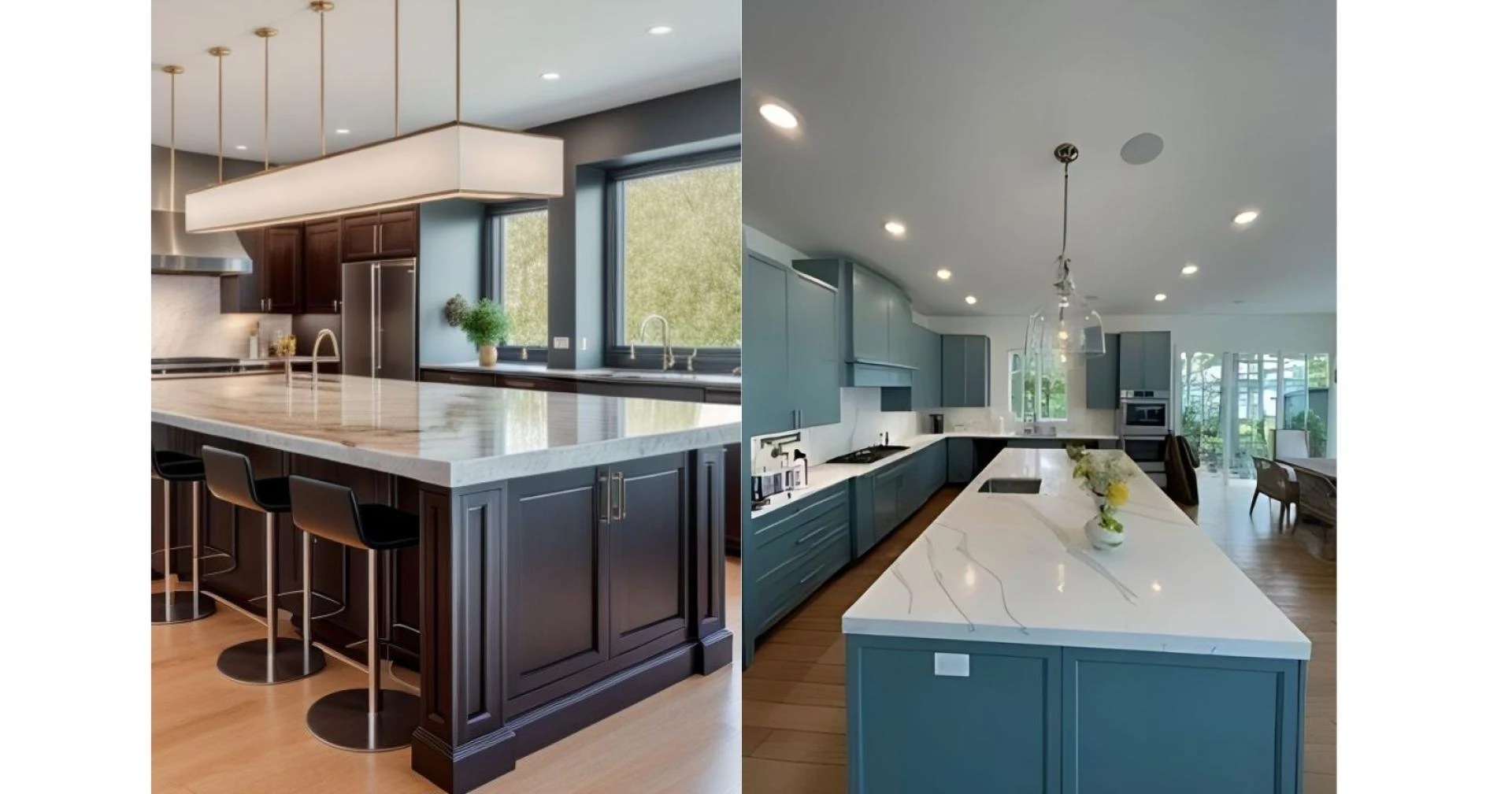

Luxury kitchens often steal the spotlight with gleaming countertops, statement lighting, and high-end appliances. Yet what truly separates exceptional spaces from merely expensive ones lies beneath the surface. The most successful luxury kitchen remodeling projects are not defined by visible finishes alone but by a network of hidden design elements that shape how the kitchen functions, feels, and endures over time. These subtle yet powerful features influence workflow, comfort, storage efficiency, acoustics, lighting quality, and even emotional experience.
In other words, the difference between a kitchen that looks luxurious and one that lives luxuriously is often invisible, but unmistakable. Below, we explore the hidden design elements that elevate luxury kitchen remodeling from aesthetic upgrade to architectural transformation.
Precision Layout Geometry: The Invisible Framework
At the heart of luxury kitchen remodeling is layout geometry, the spatial relationships between appliances, work zones, and circulation paths. While homeowners may notice island size or cabinet style, they rarely see the mathematical planning behind them.
Luxury kitchens are engineered using precise spatial ratios:
- Balanced distances between sink, cooktop, and refrigerator.
- Proportional aisle widths for movement and comfort.
- Symmetry aligned with architectural sightlines.
- Clearances tailored to appliance function.
These geometric alignments ensure effortless flow. Cooking, prep, and cleanup feel intuitive because the layout supports natural motion. The space “just works,” even if users cannot explain why.
Layered Lighting Architecture Beyond Fixtures
Lighting in luxury kitchen remodeling extends far beyond decorative pendants. Hidden lighting layers shape mood, visibility, and depth perception without drawing attention to themselves.
Advanced lighting architecture often includes:
- Recessed task lighting is precisely aligned to work surfaces.
- Concealed LED strips beneath cabinetry.
- Toe-kick lighting for nighttime navigation.
- Interior cabinet illumination.
- Cove or ceiling perimeter lighting.
These layers eliminate shadows, highlight materials, and create visual warmth. The kitchen appears brighter, larger, and more refined, not because of visible fixtures, but because light is sculpted into the architecture.
Appliance Integration and Concealment
Luxury kitchens frequently feature appliances that blend seamlessly into cabinetry and surfaces. This integration is a hallmark of high-end design, yet the engineering required is largely hidden.
Examples include:
- Panel-ready refrigeration concealed within cabinetry.
- Flush-mounted cooktops and ventilation systems.
- Appliance garages with retractable doors.
- Built-in coffee systems or warming drawers.
Behind the scenes, designers coordinate ventilation clearances, electrical access, and structural support. The result is a cohesive aesthetic where function disappears into form.
Storage Engineering: Customization Within Cabinets
Cabinetry in luxury kitchen remodeling is not simply about door style—it’s a system of tailored storage mechanisms hidden inside. These internal configurations dramatically influence usability.
Common concealed storage innovations include:
- Vertical tray dividers and pull-out pantries.
- Drawer-within-drawer systems.
- Corner optimization hardware.
- Integrated waste and recycling stations.
- Hidden charging drawers.
Such features reduce clutter and improve access. Every item has a purposeful place, turning storage into silent efficiency.
Acoustic Design for Quiet Comfort
Noise is rarely discussed in kitchen design, yet it strongly affects perceived luxury. Hard surfaces, open layouts, and mechanical equipment can create echo and appliance hum if untreated.
Luxury kitchen remodeling incorporates acoustic control through:
- Sound-absorbing cabinet construction.
- Insulated appliance enclosures.
- Strategic ceiling treatments.
- Soft-close hardware.
- Flooring and material selection.
These subtle measures soften sound reflections, making conversations clearer and the environment calmer. The kitchen feels serene rather than busy.
Ventilation Engineering Hidden in Architecture
Ventilation is essential for removing heat, grease, and odors, yet luxury kitchens often conceal ventilation systems within architectural elements. Range hoods may be integrated into cabinetry or ceiling planes.
Hidden ventilation strategies include:
- Downdraft extraction systems.
- Flush ceiling-mounted hoods.
- Custom enclosure hoods match cabinetry.
- Remote inline blowers to reduce noise.
While largely unseen, these systems maintain air quality and comfort without disrupting design continuity.
Ergonomic Calibration for Effortless Use
Luxury kitchens are subtly tailored to user comfort through ergonomic calibration—adjustments to heights, reaches, and placements that match human movement.
These hidden refinements may involve:
- Counter heights are adjusted to the homeowner's stature.
- Appliance handles aligned to reach range.
- Drawer depths matched to storage items.
- Sink placement for reduced bending.
Such customization minimizes strain and enhances efficiency. Users feel less fatigue without consciously noticing why.
Material Transitions and Seamless Detailing
Luxury kitchen remodeling emphasizes transitions between materials, countertops to backsplashes, cabinetry to walls, and flooring to islands. These junctions are engineered to appear seamless.
Hidden detailing techniques include:
- Flush reveals between surfaces.
- Mitered stone edges.
- Continuous grain alignment.
- Concealed fasteners and joints.
These subtle craftsmanship decisions create visual continuity. The kitchen appears refined because interruptions are minimized.
Structural Coordination Behind the Scenes
Achieving open, expansive luxury kitchens often requires structural modification—removing walls, adding beams, or redistributing loads. These structural changes remain invisible once complete.
Luxury kitchen remodeling integrates:
- Concealed structural beams.
- Reinforced flooring for heavy islands.
- Relocated mechanical systems.
- Hidden support for stone surfaces.
The open, airy feeling of luxury kitchens is often the result of significant unseen engineering.
Smart Technology Integration Without Clutter
Modern luxury kitchens incorporate smart technology, yet the most elegant designs hide digital complexity. Controls and wiring are integrated into cabinetry and infrastructure.
Concealed technology elements include:
- Touch-to-open cabinet hardware.
- Hidden outlets and charging stations.
- Integrated smart lighting controls.
- Appliance connectivity systems.
Technology enhances convenience while preserving clean aesthetics.
Climate and Comfort Micro-Zoning
Large luxury kitchens may contain varying temperature zones due to appliances, sunlight, and ventilation. Advanced remodeling addresses these microclimates subtly.
Hidden comfort strategies include:
- Zoned HVAC airflow.
- Radiant floor heating beneath work zones.
- Thermal insulation around refrigeration.
- Vent placement balancing air movement.
These adjustments maintain consistent comfort across the entire kitchen.
Sightline Planning and Visual Harmony
Luxury kitchen remodeling considers what is seen from adjacent rooms and entry points. Designers align focal points and conceal clutter zones.
Hidden sightline strategies include:
- Aligning islands with architectural axes.
- Concealing prep zones from main views.
- Positioning focal lighting symmetrically.
- Integrating appliances into visual planes.
The kitchen feels harmonious because sightlines are choreographed.
Durability Engineering for Long-Term Luxury
True luxury is longevity. Hidden construction choices ensure the kitchen ages gracefully despite heavy use.
Durability measures include:
- Moisture-resistant cabinet substrates.
- Reinforced drawer hardware.
- Heat-protected surfaces near appliances.
- Sealed stone and grout systems.
These features preserve beauty for decades, even under daily wear.
Craftsmanship Precision in Installation
Even the finest materials fail without precise installation. Luxury kitchen remodeling relies on meticulous alignment and leveling that homeowners rarely see but always feel.
Hidden craftsmanship elements include:
- Perfectly level cabinetry runs.
- Flush appliance integration.
- Exact joint spacing.
- Seam alignment across surfaces.
Such precision produces visual calm and tactile satisfaction.
Emotional Experience Through Subtle Design
Perhaps the most intangible hidden element is emotional response. Lighting, warmth, spatial proportions, acoustics, and flow combine to create atmosphere.
Luxury kitchens often evoke:
- Calm through visual order.
- Warmth through material continuity.
- Confidence through intuitive layout.
- Pleasure through tactile quality.
These sensations arise from countless unseen design decisions working together.
Conclusion: The Invisible Elements That Define Luxury
Luxury kitchen remodeling is not defined solely by premium materials or striking visuals. Its true essence lies in the hidden design elements, layout geometry, lighting architecture, storage engineering, acoustic control, ergonomic calibration, structural coordination, and seamless detailing—that shape how the kitchen performs and feels every day.
These invisible layers transform kitchens from decorative showpieces into deeply functional living environments. For homeowners, understanding these hidden elements changes how luxury remodeling is evaluated. Instead of focusing only on surfaces, the conversation shifts to performance, comfort, longevity, and usability.
Partnering with experienced luxury kitchen remodeling professionals ensures these critical details are thoughtfully engineered into the design from the outset. If you are planning a luxury kitchen, consider what lies beneath the finishes.



























Sign in to leave a comment.