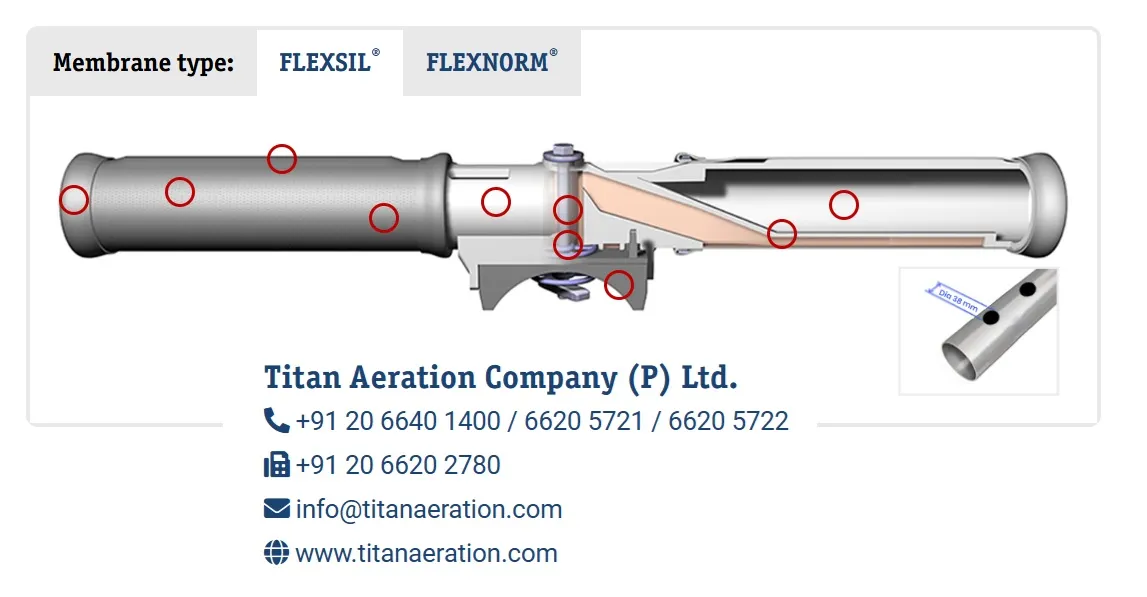

In modern wastewater treatment systems, aquaculture facilities, industrial water treatment plants, and environmental remediation projects, high-efficiency fine bubble diffusers play a critical role in achieving superior oxygen transfer performance. Designed to maximize oxygen dissolution while minimizing energy consumption, these advanced aeration devices have become the preferred solution for facilities seeking operational efficiency, regulatory compliance, and long-term cost savings.
Fine bubble diffusion technology generates thousands of microscopic air bubbles that remain suspended in water for extended periods. This increased contact time significantly enhances oxygen transfer rates, allowing treatment systems to operate more efficiently while reducing blower power requirements.
What Are Fine Bubble Diffusers?
Fine bubble diffusers are specialized aeration devices engineered to release air through precision perforations, producing bubbles typically ranging from 1 to 3 millimeters in diameter. These tiny bubbles create a large surface area for oxygen exchange, improving dissolved oxygen levels throughout the treatment process.
Unlike coarse bubble aeration systems, fine bubble diffusers deliver:
- Higher oxygen transfer efficiency
- Lower energy consumption
- Improved mixing performance
- Reduced operational costs
- Enhanced biological treatment effectiveness
These advantages make them essential components in municipal and industrial wastewater treatment applications worldwide.
How Fine Bubble Diffusers Maximize Oxygen Transfer
The efficiency of oxygen transfer depends on several critical factors, including bubble size, retention time, air distribution, and diffuser design.
Smaller Bubble Diameter
Fine bubble diffusers create extremely small bubbles that provide significantly more surface area than larger bubbles. Increased surface area allows oxygen molecules to transfer into water more effectively.
Extended Bubble Contact Time
Smaller bubbles rise more slowly through the water column. This extended residence time maximizes oxygen absorption before the bubbles reach the surface.
Uniform Air Distribution
Advanced diffuser membranes ensure even airflow across the entire aeration basin. Uniform oxygen distribution prevents dead zones and improves treatment performance.
Enhanced Biological Activity
Higher dissolved oxygen concentrations promote healthier microbial populations, accelerating the breakdown of organic pollutants and improving treatment efficiency.
Key Components of High-Efficiency Fine Bubble Diffusers
Modern fine bubble diffuser systems consist of several precision-engineered components designed for durability and performance.
Diffuser Membrane
The membrane is the heart of the diffuser. It contains thousands of laser-cut or mechanically formed perforations that generate fine bubbles.
Common membrane materials include:
- EPDM (Ethylene Propylene Diene Monomer)
- Silicone
- Polyurethane
Each material offers unique benefits depending on operating conditions and wastewater characteristics.
Support Body
The diffuser body provides structural integrity and supports membrane operation. It is commonly manufactured from:
- Polypropylene
- PVC
- ABS
- Reinforced engineering plastics
Air Distribution Network
The piping system delivers compressed air uniformly to every diffuser, ensuring consistent oxygen transfer throughout the treatment basin.
Types of Fine Bubble Diffusers
Different diffuser configurations are available to meet varying treatment requirements.
Disc Fine Bubble Diffusers
Disc diffusers are among the most widely used aeration solutions due to their compact design and excellent oxygen transfer capabilities.
Benefits:
- Easy installation
- High oxygen transfer efficiency
- Low maintenance requirements
- Long service life
Tube Fine Bubble Diffusers
Tube diffusers feature elongated membrane surfaces that provide extensive air distribution.
Advantages:
- Suitable for deep tanks
- Excellent airflow capacity
- Superior oxygen transfer performance
- Reduced maintenance frequency
Panel Fine Bubble Diffusers
Panel diffusers offer large aeration coverage areas and are commonly used in high-capacity treatment plants.
Features:
- Uniform air distribution
- High treatment capacity
- Excellent process stability
- Reduced blower energy consumption
Applications of High-Efficiency Fine Bubble Diffusers
Fine bubble diffuser technology serves numerous industries requiring efficient oxygen transfer and aeration.
Municipal Wastewater Treatment Plants
Municipal treatment facilities rely heavily on fine bubble aeration systems to support biological nutrient removal and secondary treatment processes.
Benefits include:
- Improved treatment performance
- Lower energy costs
- Enhanced nitrogen removal
- Regulatory compliance
Industrial Wastewater Treatment
Industries generating high-strength wastewater require efficient aeration systems capable of handling demanding conditions.
Common industries include:
- Food processing
- Beverage manufacturing
- Textile production
- Chemical processing
- Pharmaceutical facilities
Aquaculture and Fish Farming
Aquaculture operations depend on stable dissolved oxygen levels to maintain fish health and maximize production yields.
Fine bubble diffusers help achieve:
- Higher fish survival rates
- Improved feed conversion ratios
- Better water quality
- Increased production capacity
Lake and Pond Aeration
Environmental restoration projects use fine bubble diffusers to combat oxygen depletion and improve aquatic ecosystems.
Applications include:
- Algae control
- Sediment reduction
- Odor elimination
- Water quality improvement
Advantages of High-Efficiency Fine Bubble Diffusers
Superior Oxygen Transfer Efficiency
Modern fine bubble diffuser systems can achieve oxygen transfer efficiencies exceeding traditional aeration technologies, resulting in significant energy savings.
Reduced Energy Consumption
Aeration often accounts for 50% to 70% of wastewater treatment plant energy use. High-efficiency diffusers dramatically reduce blower power requirements.
Lower Operating Costs
Energy savings translate directly into reduced operating expenses, delivering attractive long-term returns on investment.
Extended Equipment Life
Efficient diffuser systems reduce stress on blowers and supporting equipment, extending overall system lifespan.
Enhanced Treatment Performance
Consistent dissolved oxygen levels support stable biological activity and improved treatment outcomes.
Factors Affecting Fine Bubble Diffuser Performance
Several operational variables influence diffuser efficiency.
Water Depth
Deeper basins generally provide higher oxygen transfer rates because bubbles remain submerged longer.
Airflow Rate
Maintaining optimal airflow prevents excessive bubble coalescence and ensures efficient oxygen transfer.
Membrane Condition
Regular inspection and maintenance help preserve diffuser performance and prevent fouling.
Water Quality Characteristics
Wastewater composition, temperature, and suspended solids concentrations can impact oxygen transfer efficiency.
Selecting the Right Fine Bubble Diffuser System
Choosing the optimal diffuser requires careful evaluation of process requirements.
Key considerations include:
Tank Dimensions
The size and geometry of the aeration basin influence diffuser placement and coverage requirements.
Airflow Requirements
Proper sizing ensures adequate oxygen delivery while minimizing energy consumption.
Wastewater Characteristics
Chemical composition, solids concentration, and temperature affect diffuser material selection.
Maintenance Accessibility
Systems should be designed for convenient inspection, cleaning, and replacement.
Long-Term Operating Costs
Total lifecycle cost analysis provides a more accurate assessment than initial purchase price alone.
Maintenance Best Practices for Fine Bubble Diffusers
Proper maintenance is essential for sustaining maximum oxygen transfer efficiency.
Recommended practices include:
- Routine airflow monitoring
- Periodic membrane inspection
- Scheduled cleaning procedures
- Pressure drop analysis
- Diffuser performance testing
- Timely membrane replacement
Preventive maintenance helps maintain consistent aeration performance while reducing unexpected downtime.
Latest Innovations in Fine Bubble Diffuser Technology
Recent advancements have further improved diffuser efficiency and reliability.
Advanced Membrane Engineering
Modern membrane designs feature precision slit patterns that optimize bubble formation and airflow distribution.
Energy-Efficient Aeration Systems
Integrated control systems automatically adjust airflow based on dissolved oxygen demand, reducing energy consumption.
Smart Monitoring Solutions
Digital monitoring platforms provide real-time performance data, enabling predictive maintenance and process optimization.
Enhanced Chemical Resistance
New membrane materials offer improved resistance to harsh industrial wastewater conditions, extending service life.
Environmental Benefits of Fine Bubble Diffusers
Beyond operational efficiency, fine bubble diffusers contribute significantly to environmental sustainability.
Environmental advantages include:
- Reduced greenhouse gas emissions
- Lower electricity consumption
- Improved water quality
- Enhanced ecosystem restoration
- Sustainable wastewater management
These benefits align with global efforts to improve resource efficiency and environmental protection.
Why High-Efficiency Fine Bubble Diffusers Are the Future of Aeration
As industries and municipalities continue to prioritize energy efficiency and environmental responsibility, high-efficiency fine bubble diffusers remain at the forefront of aeration technology. Their ability to deliver exceptional oxygen transfer performance, reduce operational costs, and support sustainable treatment processes makes them an indispensable solution for modern water and wastewater treatment systems.
By combining advanced membrane technology, optimized air distribution, and superior oxygen transfer capabilities, fine bubble diffusers provide unmatched performance across a wide range of applications. Organizations investing in high-efficiency aeration systems can achieve greater process reliability, lower energy consumption, improved treatment outcomes, and long-term operational success.
Conclusion
High-efficiency fine bubble diffusers represent the gold standard in modern aeration technology. Their superior oxygen transfer efficiency, energy-saving capabilities, and versatile application potential make them the preferred choice for wastewater treatment plants, industrial facilities, aquaculture systems, and environmental restoration projects. By selecting the right diffuser system and implementing proper maintenance practices, facilities can maximize oxygen transfer, enhance treatment performance, and achieve sustainable operational excellence for years to come.























Sign in to leave a comment.