

Preparing for the NREMT exam in 2026 requires a smarter approach than ever before. The test is no longer a matter of memorizing isolated facts. It now evaluates how well you think through real patient scenarios from start to finish. That shift means your study time must be intentional and focused on what actually shows up on the exam.
If your current NREMT test prep strategy feels scattered, it is time to refine it.
Why the 2026 NREMT Exam Feels Different
The biggest change in recent years is the move toward clinical judgment. Instead of asking for definitions or standalone facts, the exam now presents patient scenarios where you must decide what to do next.
You are expected to think like a provider in the field, not just a student answering textbook questions. Every question is part of a larger patient story, and your job is to manage that patient effectively.
Strong preparation focuses on understanding why certain actions are taken, not just what those actions are. This mindset shift alone can significantly improve your results.
Primary Assessment: The Most Tested Domain
Primary assessment is the most heavily weighted section, making up roughly 39% to 43% of the exam. If you focus your study anywhere, start here.
You must quickly identify life threats using a structured approach:
· Airway issues
· Breathing problems
· Circulatory compromise, including severe bleeding
You will also need to determine patient priority and transport decisions early. Questions often test your ability to form a general impression within seconds.
Mental status evaluation is another key piece. Be comfortable using both AVPU and Glasgow Coma Scale (GCS). Expect scenarios where recognizing subtle changes in responsiveness guides your next step.
Practicing rapid assessments under pressure is essential. Timing and accuracy both matter.
Patient Treatment and Transport: Interventions That Matter
This domain makes up about 20% to 24% of the exam and focuses on what you actually do for the patient.
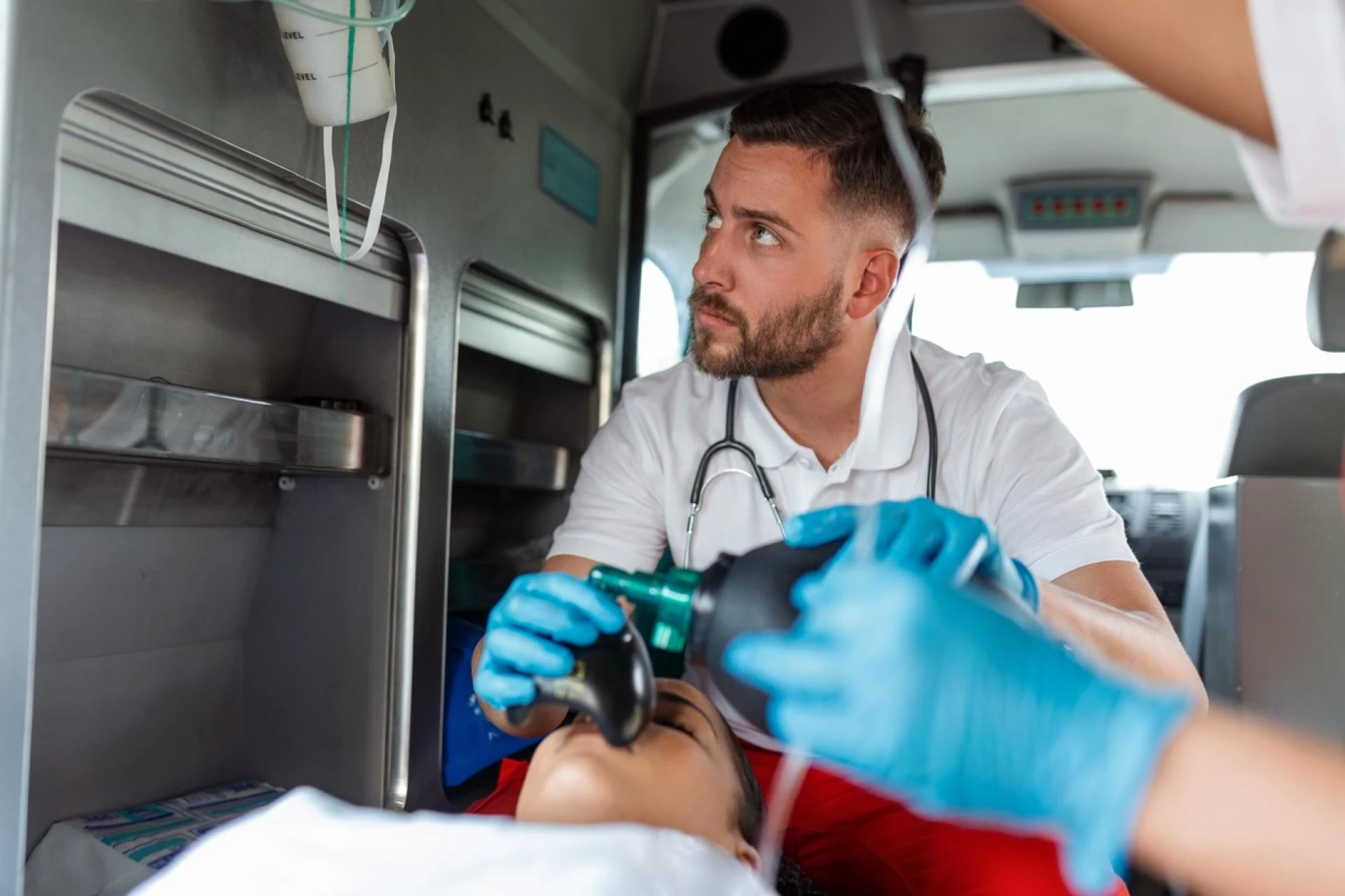
Airway and ventilation skills are heavily tested. You should be confident with:
· Bag-valve mask (BVM) techniques
· Oxygen delivery methods
· CPAP basics
Cardiology is another major focus. Expect questions on:
· High-quality CPR
· AED use
· Identifying shockable versus non-shockable rhythms
Trauma care is equally important. Hemorrhage control, especially tourniquet use, is a frequent topic. You also need to recognize and manage shock quickly.
Effective studying in this area means practicing interventions within full patient scenarios, not in isolation. Treatment decisions should always connect directly to assessment findings.
Scene Size-Up and Safety: The Foundation of Every Call
This domain accounts for approximately 15% to 19% of the exam. It sets the stage for everything that follows.
You must demonstrate strong situational awareness:
· Identify hazards
· Determine the number of patients
· Decide if additional resources are needed
Many candidates overlook this section, but it plays a major role in scenario-based questions. Your decisions during scene size-up often influence the rest of the call.
EMS Operations: Real-World Decision Making
EMS Operations makes up about 10% to 14% of the exam and reflects the realities of working in the field.
Key areas include:
· Ambulance safety and positioning
· Mass casualty triage, especially START triage
· Communication with dispatch and other responders
· Legal and ethical considerations, such as refusal of care and DNR orders
This section tests your ability to think beyond the patient and consider the broader system you are working in.
Preparation should include real-world scenarios that combine patient care with operational decisions.
Secondary Assessment: Details That Confirm Your Diagnosis
Secondary Assessment may only account for 5% to 9% of the exam, but it plays a critical role in patient care.
You need to gather a thorough patient history using:
· SAMPLE history
· OPQRST for pain assessment
Physical exams also come into play, especially when identifying underlying conditions.
While this section carries less weight, it often appears within larger scenarios. Missing key details here can lead to incorrect treatment decisions later.
Treat this section as part of the full patient picture rather than an isolated step.
Pediatrics Is Integrated Across Every Domain
Pediatric care is no longer a separate section. Instead, it is embedded across all domains and makes up roughly 15% of the exam.
You must adjust your approach based on the patient’s age:
· Know age-specific vital signs
· Understand developmental differences
· Recognize how symptoms present differently in children
For example, respiratory distress in a child may look very different from an adult case. Your assessment and treatment must reflect that.
Studying pediatric scenarios across all domains will help reinforce this integration.
Clinical Judgment and Technology-Enhanced Questions
One of the most important updates is the use of Technology-Enhanced Items (TEIs). These include:
· Multiple-select questions
· Drag-and-drop sequencing
· Scenario-based prioritization
These formats test your ability to identify the next best step as a patient’s condition evolves.
You need to anticipate what will happen next and respond appropriately. This requires a deep understanding of patient care flow.
Practicing these question types will help you become more comfortable with how the exam presents information.
Must-Know Topics You Cannot Miss
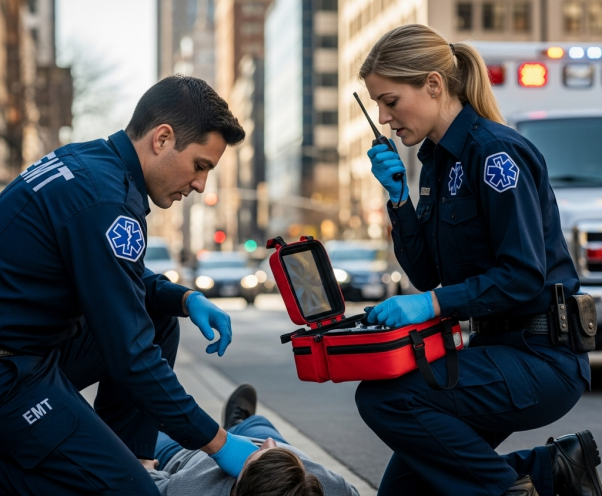
Certain topics consistently appear on the exam and should be prioritized in your study plan.
Pharmacology Basics
Focus on EMT-level medications:
· Oxygen
· Glucose
· Nitroglycerin
· Aspirin
· Epinephrine
· Naloxone
· Albuterol
Understand the Six Rights, along with indications and contraindications.
Resuscitation Principles
Know the Chain of Survival and how to perform high-quality CPR. AED usage should feel second nature.
Shock Recognition
Be able to differentiate between:
· Hypovolemic shock
· Cardiogenic shock
· Obstructive shock
· Distributive shock, including septic, anaphylactic, and neurogenic
These topics often appear within larger scenarios, requiring you to identify the condition and act quickly.
Final Thoughts on Mastering High-Yield Content
Success on the 2026 NREMT exam comes down to how well you apply knowledge in real-time scenarios. Focusing on high-yield domains like primary assessment, patient treatment, and clinical judgment allows you to use your study time more effectively. When you train yourself to think through each call from start to finish, you build the confidence needed to make the right decisions under pressure.
About the Author
This blog was written by an experienced EMS educator who works with the team at How To NREMT. They specialize in helping students prepare for the National Registry exam through structured training and targeted study strategies.
How To NREMT provides a multi-step training plan, a two-day NREMT exam intensive program, and a mobile app available on the Play Store and App Store, all designed to guide students toward passing the exam efficiently.
Explore their full-access membership and private tutoring options.
FAQs
1. How many questions are on the national registry EMT test?
The EMT exam typically ranges from 70 to 120 questions, depending on performance. Because the test adapts to your ability, focusing on high-yield content areas ensures you consistently answer the most important clinical questions correctly.
2. What kind of questions are on the NREMT exam?
The exam is heavily scenario-based and focuses on patient assessment, prioritization, and clinical judgment. You will be expected to identify life threats, interpret vital signs, and choose the next best intervention in realistic situations.
3. What score do you need to pass NREMT?
You need a scaled score of 950 out of 1500 to pass. Mastering high-yield areas such as ABCs, trauma care, and patient treatment increases your chances of consistently selecting correct answers.
4. How many questions can you miss on the NREMT?
There is no fixed number you can miss because scoring is adaptive. Instead of focusing on missed questions, concentrate on accuracy in high-priority domains, which carry more weight in determining your performance.
5. Is the new NREMT test harder compared to previous versions?
The exam feels more challenging because it emphasizes clinical judgment rather than memorization. However, focusing on key domains and understanding patient care flow makes it more manageable.




























Sign in to leave a comment.